Africa Faces Fresh Fuel Shock as Red Sea Blockade Tightens
Africa is facing the prospect of another sharp fuel-price shock as Yemen’s Houthi forces tighten their grip around the Bab el-Mandeb Strait, threatening a key route for Saudi oil exports at a time when the Strait of Hormuz is already severely disrupted.
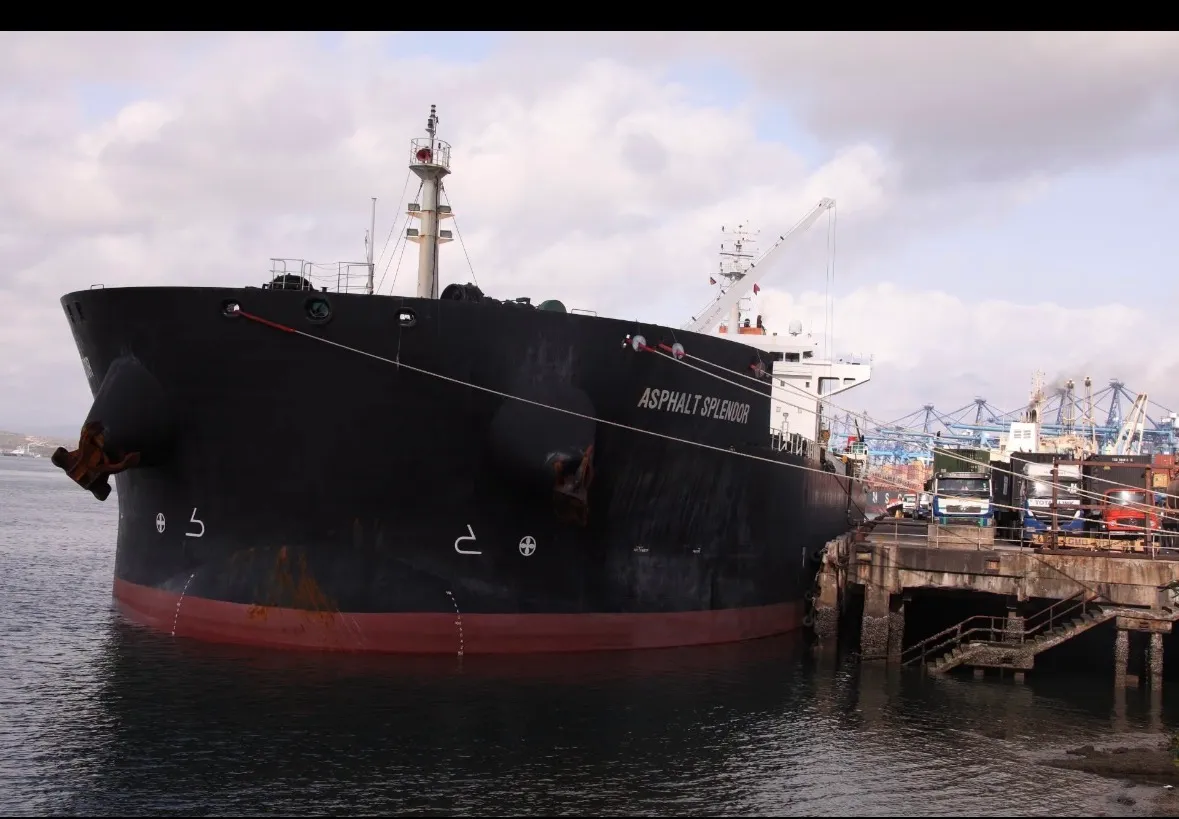
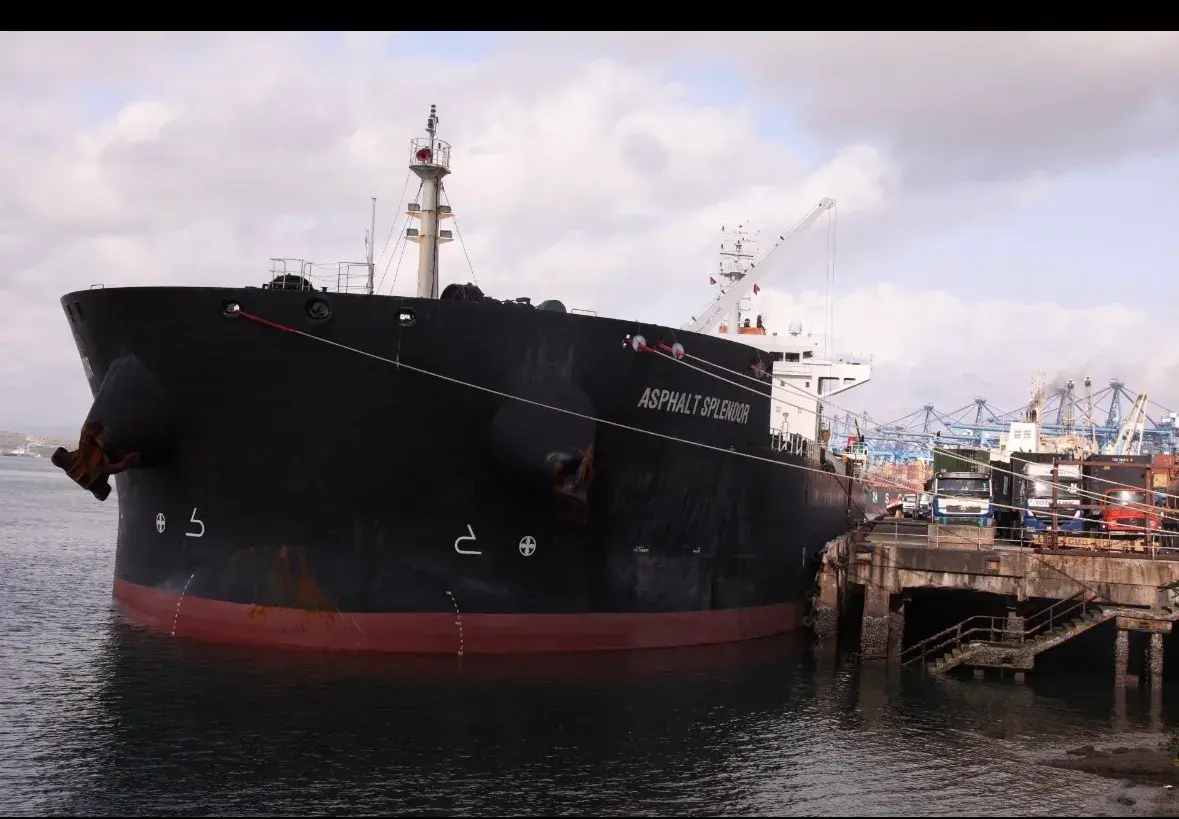
A ship docking at the Port of Mombasa. Image:KPA
The escalation raises the prospect of two major oil chokepoints being compromised simultaneously, increasing the risk of higher crude and refined-fuel prices for countries across Africa that depend heavily on imports.
Oil prices have already surged above $100 a barrel, with Brent reaching about $108, as concerns over disruptions to global oil supplies intensify.
The Houthis have declared a maritime blockade against Saudi Arabia and stepped up attacks on shipping linked to Saudi oil exports. Their growing presence along Yemen’s Red Sea coast has strengthened their ability to threaten vessels using the Bab el-Mandeb, one of the world’s most important shipping routes.
The developments come as shipping through the Strait of Hormuz, which previously carried more than 20 million barrels of oil a day, has fallen sharply amid the US-Iran war. The combination has heightened fears that disruptions could spread across a wider network of oil and fuel supply routes.
For Africa, the timing is particularly damaging.
The continent remains heavily dependent on imported refined petroleum despite being a major crude-oil producer. Africa exports billions of barrels of crude each year but imports a large share of the refined fuel it consumes, leaving many countries exposed to international prices, shipping costs and geopolitical disruptions.
African fuel buyers were already scrambling to replace supplies from the Middle East after disruptions to regional shipments. Saudi Arabia is a major supplier of diesel to African markets, particularly in countries that lack sufficient refining capacity.
A prolonged blockade could therefore quickly feed into pump prices, transport costs, food prices and inflation across African economies. Governments that subsidise fuel could face renewed pressure on already stretched budgets, while countries that pass higher costs directly to consumers could see household purchasing power weaken.
The crisis also exposes a longstanding vulnerability: Africa produces large volumes of crude but lacks sufficient refining capacity to meet its own fuel needs.
New refineries, including Nigeria’s Dangote refinery, are expected to reduce the continent’s dependence on imported petroleum products, but Africa remains exposed to global oil prices and international shipping routes.
With the Strait of Hormuz already under severe pressure and Bab el-Mandeb emerging as another potential choke point, African consumers could face another round of fuel-price increases before the effects of the current energy shock have fully worked their way through the continent’s economies.