Dangote Refinery Set to Mark Defining Moment for East Africa
Kenya and its neighbours are approaching a defining moment in their long-running struggle to reduce dependence on imported fuel, with Nigerian billionaire Aliko Dangote set to break ground this week on a major refinery at the Indian Ocean port of Lamu.
The Sept 30 groundbreaking comes at a sensitive time for the region, which remains exposed to fuel-price shocks caused by wars, shipping disruptions and geopolitical tensions far beyond its borders.
The latest Iran-US conflict has provided a sharp reminder of that vulnerability. Disruptions to oil flows through the Strait of Hormuz have pushed global energy markets higher, while insecurity around other Gulf and Red Sea routes has added further pressure.
For Kenya, Uganda, Rwanda, Ethiopia and other fuel-importing economies, the consequences extend beyond the price paid at petrol stations. Higher petroleum costs feed into transport, electricity, food production and the wider cost of doing business.
The planned Lamu refinery could therefore represent a major shift in the region’s energy landscape.
The project, estimated at between $15.5 billion and $17 billion, is designed to process about 700,000 barrels of crude oil a day, potentially making it the largest refinery in East Africa.
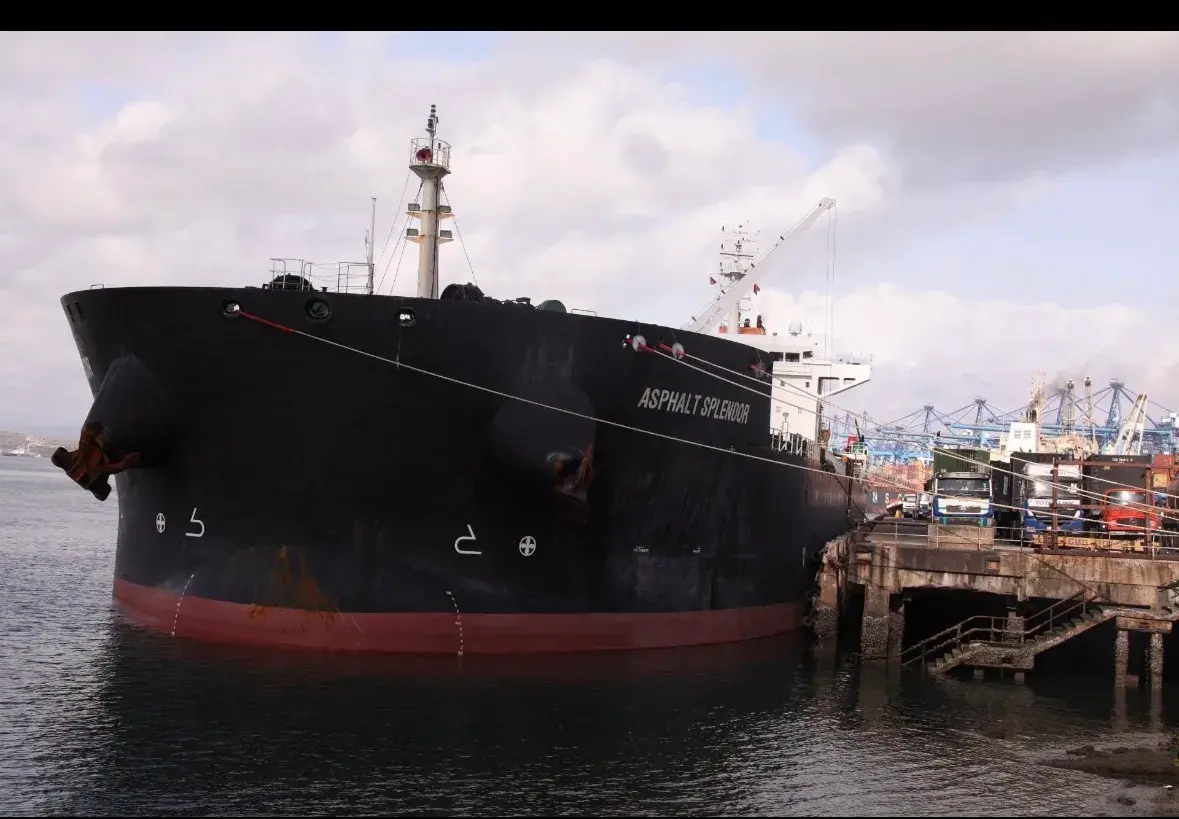
The first major construction cargo has already arrived at Lamu, signalling that the project is moving from planning towards physical construction.
The refinery is intended to supply Kenya and landlocked neighbours, potentially reducing their reliance on refined petroleum shipped from distant markets. Its location at Lamu also places it within the wider LAPSSET transport corridor, providing a potential route into East and Central African markets.
East Africa has struggled for years to develop sufficient refining capacity. Kenya’s existing refinery in Mombasa has largely operated as a storage and petroleum-products distribution facility since crude refining was halted in 2013, leaving the country heavily dependent on imported refined products.
Dangote’s investment also comes alongside efforts to develop Kenya’s own crude resources in Turkana. But Kenya’s current oil production is far below what would be required to supply a refinery of the proposed scale, meaning the plant would initially depend on crude from other African and international producers.
The scale of the investment underlines Dangote’s ambition to build an African energy network rather than a refinery serving Kenya alone. Kenya, Rwanda and Ethiopia have also been linked to discussions over taking stakes in the project.
The timing gives the Lamu project added significance. As wars in the Middle East demonstrate how quickly events thousands of kilometres away can translate into higher fuel bills in Africa, the refinery offers the prospect of greater regional control over petroleum processing and supply.
It will not completely shield East Africa from global oil shocks because the refinery will still depend on crude whose price remains exposed to international geopolitical events.
But bringing refining capacity closer to consumers could remove one layer of vulnerability: dependence on distant refineries and international supply chains.
ligadwah@businessdayafrica.org