US Expands Afrikaner Refugee Programme as Trump Tightens Immigration
The United States is preparing to admit up to 17,500 refugees, mainly white South Africans, in fiscal 2027, expanding a programme that stands in sharp contrast to President Donald Trump’s broader crackdown on immigration.
The latest allocation follows a decision to admit up to 10,000 Afrikaners during fiscal 2026, meaning as many as 27,500 could be admitted over two fiscal years.
The policy comes as the Trump administration has tightened controls on immigration, expanded deportation efforts and reduced refugee admissions from other parts of the world.
The administration says Afrikaners face racial discrimination and persecution in South Africa, citing land reform policies and violence against farmers. Trump has repeatedly raised the issue of white South Africans since returning to the White House.
Pretoria rejects the allegations, saying there is no government policy targeting white people and accusing Washington of distorting South Africa’s efforts to address racial and economic inequalities inherited from apartheid.
The dispute has become part of an increasingly bitter diplomatic confrontation between the two countries.
Washington has criticised South Africa’s land reform programme, affirmative-action policies and foreign policy, particularly Pretoria’s relations with countries such as Russia and Iran. South Africa, meanwhile, has accused the United States of interfering in its domestic affairs and misrepresenting its post-apartheid policies.
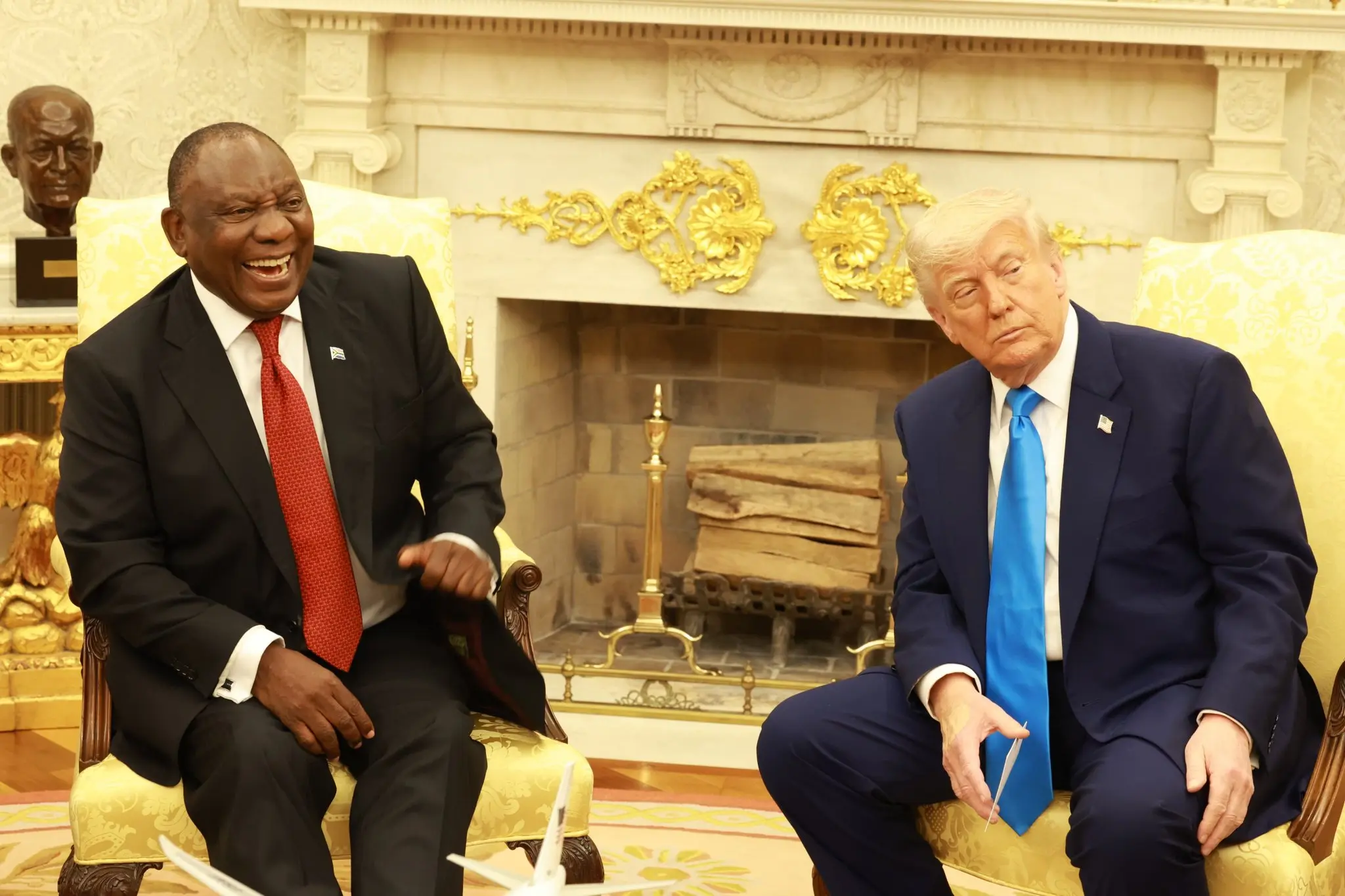
Tensions escalated in 2025 when Washington suspended some assistance to South Africa and began offering refugee status to Afrikaners. Trump later confronted President Cyril Ramaphosa at the White House over allegations of attacks on white farmers.
Ramaphosa rejected those allegations, saying South Africa had serious problems with crime but that the government was not pursuing white South Africans.
The refugee programme has drawn particular attention because of its timing. The traditional US refugee system has largely focused on people fleeing war, persecution and humanitarian crises around the world. Under Trump’s administration, however, refugee admissions have been sharply restricted while immigration enforcement and deportations have expanded.
Critics of the policy argue that giving priority to Afrikaners creates a special pathway for one racial group while people fleeing conflicts in Africa, the Middle East and elsewhere face severe restrictions.
The administration maintains that Afrikaners qualify for refugee protection because of what it describes as exceptional circumstances.
South Africa disputes that assessment, saying crime, unemployment and economic hardship affect people across racial groups and that land reform is intended to address the consequences of decades of racial exclusion.
The disagreement has consequently moved beyond immigration to encompass race, land ownership, human rights and the legacy of apartheid.
The refugee programme has become one of the most visible symbols of the diplomatic standoff, exposing sharply different interpretations by Washington and Pretoria of South Africa’s post-apartheid transformation and the treatment of its white minority.
ligadwah@businessdayafrica.org