World Leaders Converge on UN as Middle East War Fuels Energy Crisis
World leaders are converging on New York for the United Nations General Assembly as a deepening energy crisis, driven by the war in the Middle East and disruptions to major oil shipping routes, threatens to dominate diplomatic discussions and expose widening divisions between the West and the developing world.
The 81st session of the UN General Assembly’s high-level general debate begins on Tuesday, September 22, and runs through September 28, bringing presidents, prime ministers and senior government officials to the UN headquarters in New York.
The meeting comes as the United States’ involvement in the conflict in the Middle East has intensified tensions across the region, while Yemen’s Houthi movement has opened another front by targeting Saudi Arabia and threatening the security of the Bab el-Mandeb, one of the world’s most important maritime gateways.
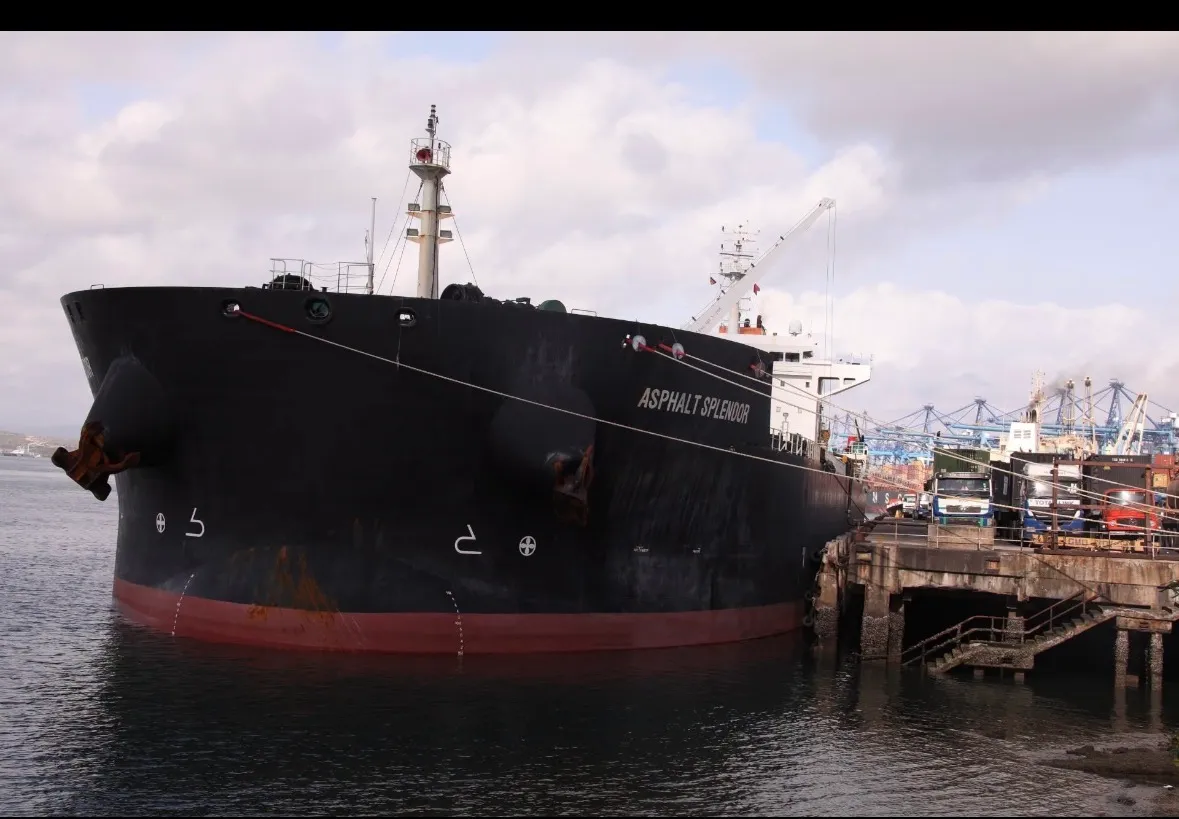
Image: KPA
The disruption of major shipping routes has added to pressure on global energy markets, with oil supplies facing growing risks and countries dependent on imported fuel bracing for higher costs.
For Africa, the crisis could prove particularly painful. Many African economies rely heavily on imported petroleum products, meaning higher crude prices, insurance costs and shipping charges can quickly translate into more expensive fuel, transport and food.
The UN gathering is therefore expected to focus not only on the conflict itself but also on its wider economic consequences, including energy security, inflation and the vulnerability of developing economies to geopolitical shocks.
The summit is also likely to produce diplomatic fireworks, with developing countries expected to challenge Western policies over the conflict and question the use of military force. Some governments are likely to demand an immediate end to hostilities and stronger international efforts to prevent the conflict from spreading.
The Middle East crisis will come alongside debates over the war in Ukraine, climate change, artificial intelligence, development financing and the future of multilateralism.
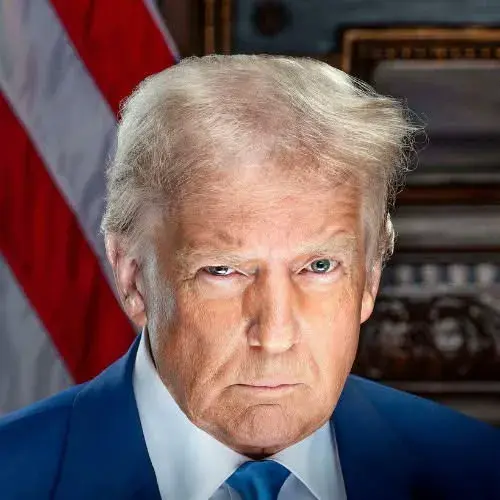
US President Donald Trump is expected to defend Washington’s approach to the Middle East, while leaders from countries critical of the US and its allies are likely to use the global platform to press their own positions.
The presence of leaders and senior officials from across the world will make the assembly an important diplomatic stage at a time when relations between major powers are increasingly strained.
But beyond the speeches and diplomatic exchanges, the economic consequences of the energy crisis are likely to remain a central concern, particularly for poorer nations already struggling with high debt, food prices and weak economic growth.
The gathering comes at a moment when a conflict that began as a regional confrontation is increasingly threatening global trade and energy security, giving this year’s UN debate an unusually urgent economic dimension.
news@businessdayafrica.org