Sudan Lifts Ban On Kenyan Tea
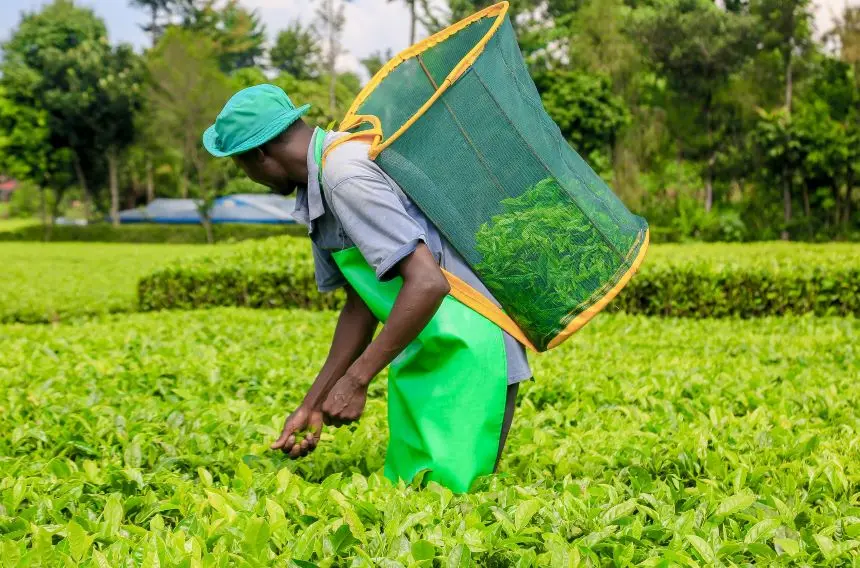
Kenya has secured the reopening of the Sudanese market for its tea exports after Khartoum lifted a 20-month ban, ending a trade restriction that had threatened one of the country’s important export destinations.
President William Ruto announced the development following his engagement with Sudanese Prime Minister Kamil Idris on the sidelines of the COMESA Heads of State and Government Summit in Harare, Zimbabwe.
Ruto said he was pleased with Sudan’s decision, which restores access for Kenyan tea exporters after nearly two years of restrictions.
The ban followed diplomatic tensions between Nairobi and Khartoum over Kenya’s hosting of meetings involving Sudan’s paramilitary Rapid Support Forces (RSF), which is fighting the Sudanese Armed Forces in a civil war.
In February 2025, Kenya hosted RSF leader Mohamed Hamdan Dagalo, popularly known as Hemedti, and allied political groups in Nairobi, where they signed a political charter and a transitional constitution aimed at establishing a parallel administration in Sudan.
Khartoum condemned the meetings as interference in its internal affairs and accused Kenya of supporting the paramilitary group. Sudan subsequently recalled its ambassador from Nairobi and imposed restrictions on imports from Kenya.
Tea was among the commodities hardest hit by the restrictions, given Sudan’s importance as a destination for Kenyan exports.
Sudan is among the top 10 international buyers of Kenyan tea and one of the country’s significant markets in Africa. Before the ban, it accounted for a substantial share of Kenya’s tea exports, making the restrictions a major setback for exporters and farmers.
Kenyan tea shipments to Sudan reportedly declined from about 20 million kilogrammes to 8.7 million kilogrammes during the trade disruption, with export earnings falling from Sh4.5 billion to Sh1.93 billion.
The lifting of the ban is expected to restore trade flows, provide relief to exporters and improve earnings for farmers and other players in the tea value chain.
The development also signals a possible thaw in relations between Nairobi and Khartoum, which had been strained by disagreements over Sudan’s ongoing conflict.
newsdesk@businessdayafrica.org