UF seeks to Plug Gaps and Overlaps in Student Scholarships
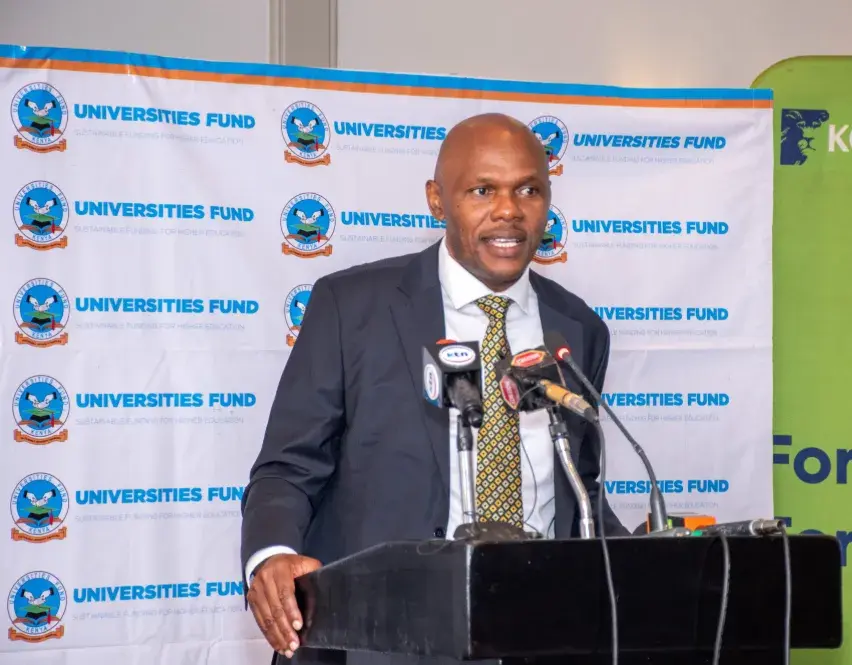
The Universities Fund(UF) is pushing for a common framework to coordinate student scholarships and prevent overlapping awards from shutting out other needy learners.
The framework, which is expected to emerge from consultations with corporate foundations, governmemnt agencies and other scholarship providers, will seek to identify students receiving multiple awards and plug gaps in funding
UF says notes limited visibility across scholarship and bursary programmes makes it difficult to determine how support is distributed, raising the risk of duplication and limiting the reach of available resources.
“By improving coordination and understanding where support is reaching students, we can direct more resources to those who still need help,” UF acting chief executive Edwin Wanyonyi told a stakeholder meeting.
The proposed framework will provide for a shared, secure data system to help providers coordinate awards, identify unmet needs and direct resources to more deserving students.
It will also establish safeguards for sharing scholarship information, including compliance with the Data Protection Act, 2019, to protect students’ personal information.
The initiative comes as demand for university funding continues to rise, putting pressure on the resources available to support qualified students seeking higher education.
The UF projects that the number of students benefiting from government scholarships will rise by 49 per cent to 608,879 in the 2026/2027 financial year, even as the Fund grapples with a Sh16.4 billion funding shortfall.
Scholarship requirements for the current financial year are estimated at Sh47 billion against an allocation of Sh30.1 billion, leaving a funding gap of about Sh16.4 billion.
The Fund says better coordination among providers could help maximise the impact of the limited resources available and expand access to higher education.
“By working together and improving coordination among scholarship providers, we can ensure that available resources reach more students and have a greater impact,” Dr Wanyonyi said.
Scholarship and bursary support is currently provided through several channels, including government scholarships and loans, National Government Constituencies Development Fund bursaries, county governments, corporate foundations, non-governmental organisations and private sponsors.
These programmes operate under different eligibility criteria, award cycles and reporting arrangements, making it difficult to establish a consolidated picture of the support individual students receive.
The consultations, held in Nairobi on Wednesday also explored joint student sensitisation campaigns, coordinated resource mobilisation and strategic partnerships to expand scholarship coverage.
Among the organisations represented were KCB Foundation, Safaricom and M-Pesa Foundations, Absa Foundation, Co-operative Bank Foundation, Kenya Power Foundation, the Kenya Education Fund, the Council of Governors, the European Union and the French and Italian embassies.
The meeting is expected to inform the development of a framework for continued collaboration among scholarship providers, with the Universities Fund leveraging its role as custodian of student funding data.