World Leaders Call for Restraint After Bombing of Iranian Nuclear Sites
Global leaders have called for restraint and renewed calls for diplomacy after a wave of airstrikes targeted nuclear facilities in Iran, in what Tehran described as an act of war amid rising hostilities with Israel.
The bombings by America, which took place early Sunday, hit key parts of Iran’s nuclear infrastructure, including the Natanz and Fordow enrichment plants.
Iranian authorities confirmed that the strikes caused significant structural damage but said nuclear material remained secure.
State media accused Israel of launching the attack and vowed a “forceful response.”
The strikes come amid escalating tensions between Iran and Israel, which have traded cross-border attacks and proxy strikes for months as part of a shadow war that has steadily spilled into the open.
Israel has long accused Iran of seeking to build nuclear weapons under the cover of its civilian programme — a charge Tehran denies.
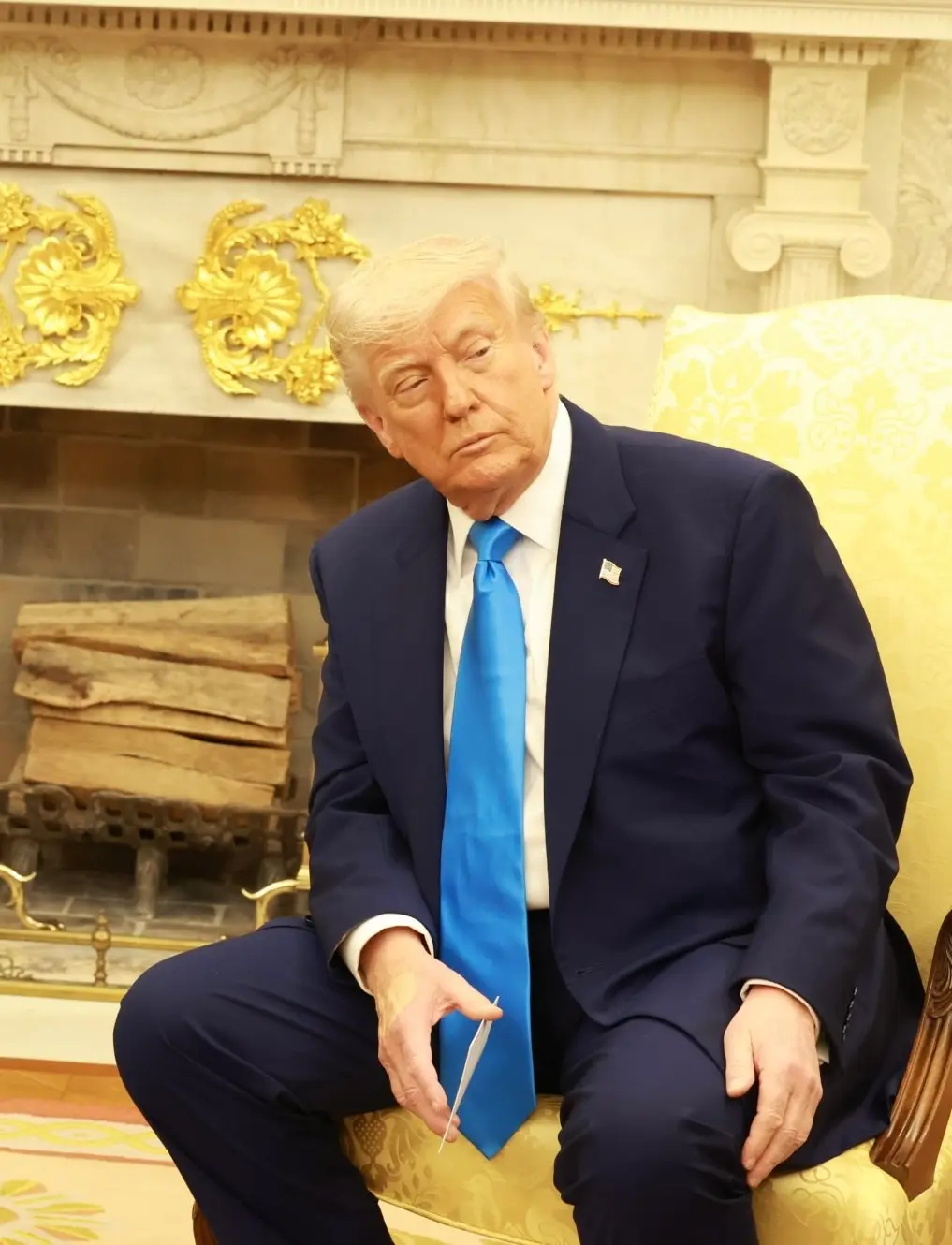
US President Donald Trump, speaking at a rally in Arizona on Sunday, said the world could not “sit back and watch Iran build the bomb.
” He stopped short of directly praising the attack but said, “What happened last night sends a message. Iran has been playing with fire for years.”
Israeli Prime Minister Benjamin Netanyahu said in a televised address on Sunday that his country “will do what it must to ensure the survival and safety of the Jewish people.”
“We will not allow a regime that chants ‘Death to Israel’ to acquire the means to carry it out,” Netanyahu said, without directly confirming Israel’s involvement in the strikes. “Iran must be stopped — not with words, but with actions.”
The two countries have been locked in an increasingly direct confrontation since October, when the Israel-Hamas war erupted in Gaza. Iran, which supports Hamas and Hezbollah, has expanded its regional military reach in recent years through proxy militias in Syria, Iraq, Lebanon and Yemen.
In April, Iran launched its first-ever direct missile and drone attack on Israel, drawing international condemnation and prompting a retaliatory Israeli strike on Isfahan — a region that houses Iran’s main nuclear facilities.
That marked a dangerous turning point, pulling the long-running shadow war into open confrontation.
Following Sunday’s bombing, Russia and China both issued statements calling for immediate de-escalation. Moscow warned that further attacks on nuclear sites could spark “irreversible consequences,” while Beijing urged all parties to return to dialogue and respect international non-proliferation norms.
The European Union expressed deep concern and said the latest developments could undermine efforts to revive the 2015 Iran nuclear agreement, known as the Joint Comprehensive Plan of Action (JCPOA), which collapsed after Washington withdrew under Trump in 2018.
Iran’s Foreign Ministry accused Israel of “nuclear terrorism” and said Tehran would consider all options in its response.
The International Atomic Energy Agency (IAEA) confirmed that it was assessing the damage and said it had lost contact with surveillance systems at several sites.
“This is a very serious development,” said IAEA Director General Rafael Grossi. “Nuclear facilities must never be targets of military action.”
Brent crude oil surged over four percent to $89.20 a barrel on fears of broader regional conflict and potential disruption to oil shipments through the Strait of Hormuz, a vital shipping lane through which about a fifth of the world’s oil passes.
Western diplomats warned that continued strikes on nuclear infrastructure risk not only triggering wider war but also increasing the chances of nuclear proliferation in the region.
“The world is now walking a tightrope,” said one European diplomat. “What happens in the next 72 hours could define the course of Middle East security for years to come.”
gandae@businessdayafrica.org