Kenya Feels Pinch as Fuel Prices Hit Historic Highs Amid Iran War
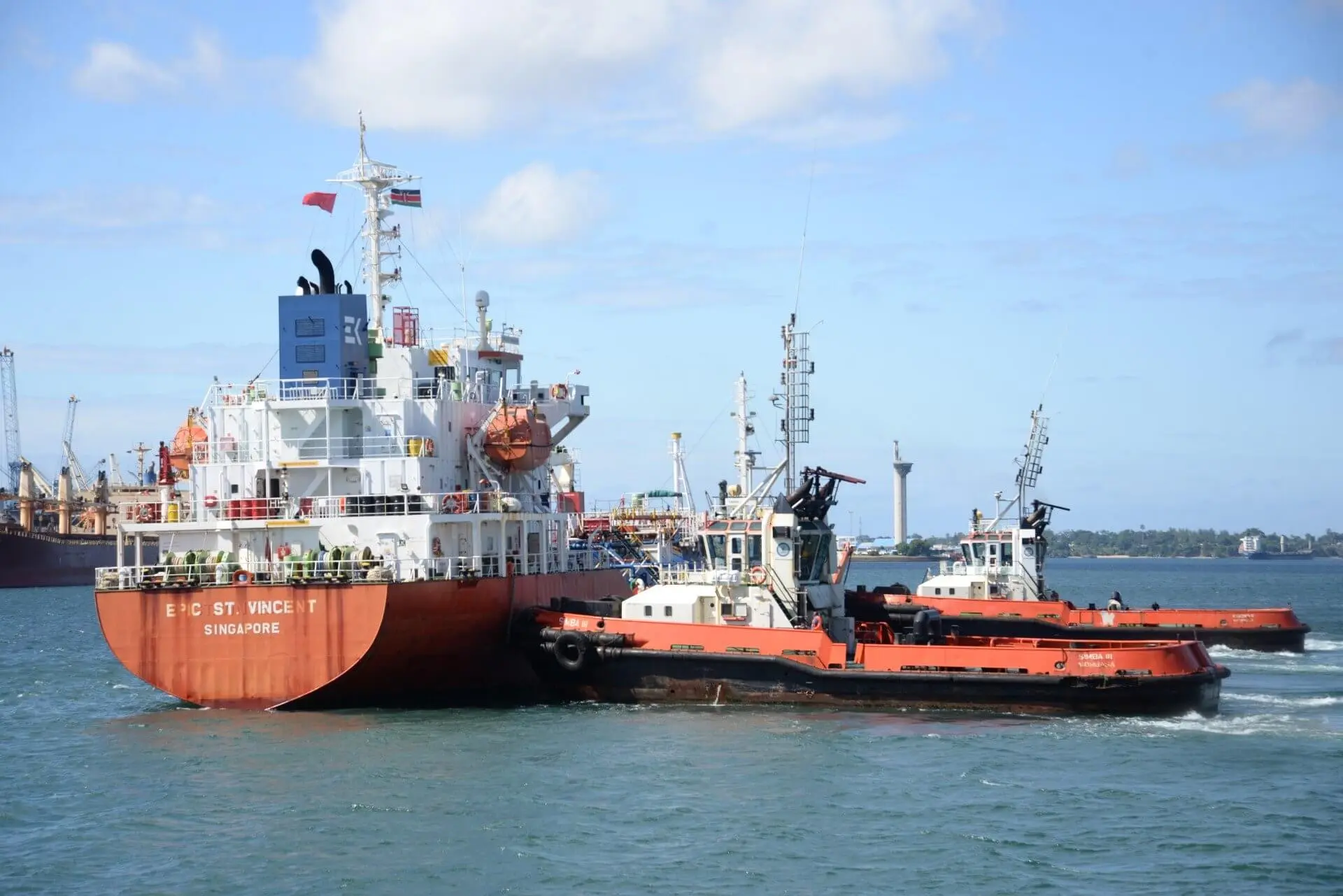
Kenya is feeling the pinch of soaring fuel prices as the war between Iran and the United States, coupled with renewed Houthi attacks on Saudi Arabian infrastructure, disrupts energy markets and threatens to deepen economic pressure across Africa.
Kenya's Energy and Petroleum Regulatory Authority said on Wednesday that the cost of importing fuel had surged, with the landing cost of super petrol rising 11.81% in September from the previous month to $977.55 per cubic metre. Diesel import costs increased by 11.2%, reflecting the growing pressure from international market, pushing pump prices to Ksh12.93 per litre of petrol and Ksh9.90 for diesel in the latest review.
The escalating conflict has heightened concerns over two critical shipping routes — the Strait of Hormuz and the Bab el-Mandeb — which are vital to global oil supplies and international trade.
The Strait of Hormuz, between Iran and Oman, handles roughly a fifth of the world’s oil consumption under normal conditions. Disruptions to shipping through the narrow waterway have threatened supplies from Gulf producers, pushing up crude prices, shipping costs and insurance premiums.
The crisis is compounded by insecurity around the Bab el-Mandeb Strait, which links the Gulf of Aden to the Red Sea and provides access to the Suez Canal. Yemen’s Iran-aligned Houthi movement has threatened maritime traffic and targeted regional infrastructure, raising fears that further escalation could disrupt another major artery for global energy trade.
Attacks on Saudi Arabian energy facilities have added to concerns about the security of oil production and exports, increasing uncertainty in markets already struggling to assess the consequences of the Iran-U.S. conflict.
If shipping through either route remains disrupted, oil tankers could be forced to take longer journeys around southern Africa, increasing freight costs and delaying deliveries. The resulting expenses would ultimately feed into fuel prices in import-dependent economies.
For Kenya, the impact extends beyond petrol stations. Higher fuel costs increase transport fares, electricity generation expenses and the cost of moving agricultural produce and manufactured goods. Businesses may pass these additional expenses to consumers, further fuelling inflation and reducing household purchasing power.
Other African countries face similar risks, particularly those heavily dependent on imported refined petroleum products. Even some oil-producing nations rely on foreign refineries to meet domestic demand, leaving them exposed to international price movements and disruptions in supply chains.
Africa’s vulnerability reflects years of insufficient refining capacity, inadequate energy infrastructure and dependence on imported petroleum products. Although new refining investments, including Nigeria’s Dangote refinery, offer the prospect of reducing reliance on overseas suppliers, the continent remains exposed to global oil-market shocks.
Currency depreciation against the dollar further compounds the problem because petroleum imports are generally priced in dollars. Governments must then choose between allowing domestic fuel prices to rise, increasing subsidies or diverting public funds from other priorities.
A prolonged conflict could therefore worsen inflation, strain government budgets and increase the cost of living across the continent.