US Widens Travel Restrictions Across Africa, Tanzania Hit Weeks After Disputed Vote
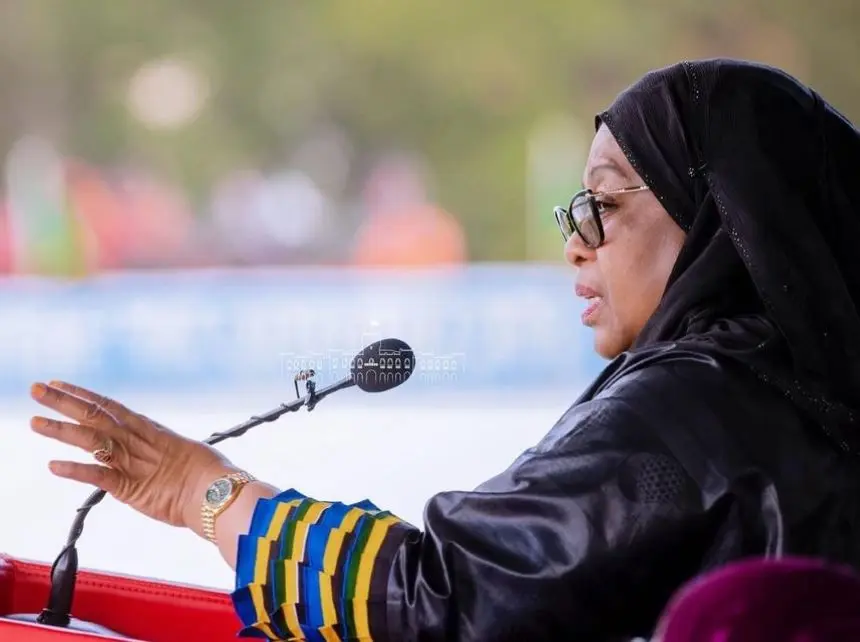
The United States has expanded travel restrictions affecting dozens of countries, extending curbs across Africa and placing Tanzania under partial visa limits less than a month after a disputed national election that drew sharp criticism from Western governments.
Under the latest US proclamation, Washington has tightened entry rules for 39 countries, citing weaknesses in identity verification, security vetting and information sharing.
The measures range from full bans on most immigrant and non-immigrant visas to narrower limits affecting selected categories such as tourist, student and exchange visas.
Tanzania was included among countries facing partial restrictions, a move that diplomats say will complicate travel for its citizens and heighten pressure on President Samia Suluhu Hassan’s government at a sensitive political moment.
The decision follows Tanzania’s October general election, which authorities said delivered a decisive victory for the ruling party.
Opposition groups rejected the outcome, alleging ballot irregularities, voter intimidation and manipulation of results.
Security forces moved quickly to disperse protests, while authorities imposed restrictions on media coverage and internet access in some areas.
European governments and institutions criticised the conduct of the vote, saying it fell short of democratic standards.
Statements from several European capitals and the European Union cited concerns over political violence, arrests of opposition figures and limits on civic freedoms, urging Tanzanian authorities to investigate abuses and engage in dialogue.
Tanzania’s government dismissed the criticism as foreign interference, insisting the election reflected the will of the people and that security measures were necessary to maintain order.
The latest US action places Tanzania among a group of countries facing partial visa suspensions, alongside Angola, Benin, Côte d’Ivoire, Gabon, Gambia, Malawi, Mauritania, Nigeria, Senegal, Zambia and Zimbabwe, as well as several Caribbean and Pacific states.
A separate group of countries is subject to a full suspension of most travel to the United States.
That list now includes Afghanistan, Myanmar, Burkina Faso, Chad, Republic of Congo, Equatorial Guinea, Eritrea, Haiti, Iran, Libya, Mali, Niger, Sierra Leone, Somalia, South Sudan, Sudan, Syria and Yemen.
Some of those nations were already covered by earlier US restrictions, while others were added in the latest expansion as Washington sharpened its stance on migration and border security.
US officials say the restrictions are not permanent and could be lifted if affected countries address shortcomings in documentation systems and security cooperation.
African diplomats and rights groups, however, have warned that the measures risk straining relations and penalising ordinary citizens rather than governments.
For Tanzania, analysts say the travel limits add to growing international scrutiny following the election and could affect students, business travellers and families with ties to the United States, even as the government seeks to project stability at home and abroad.
gandae@businessdayafrica.org