US Supreme Court Ruling Opens Floodgate for Immigrants to Africa
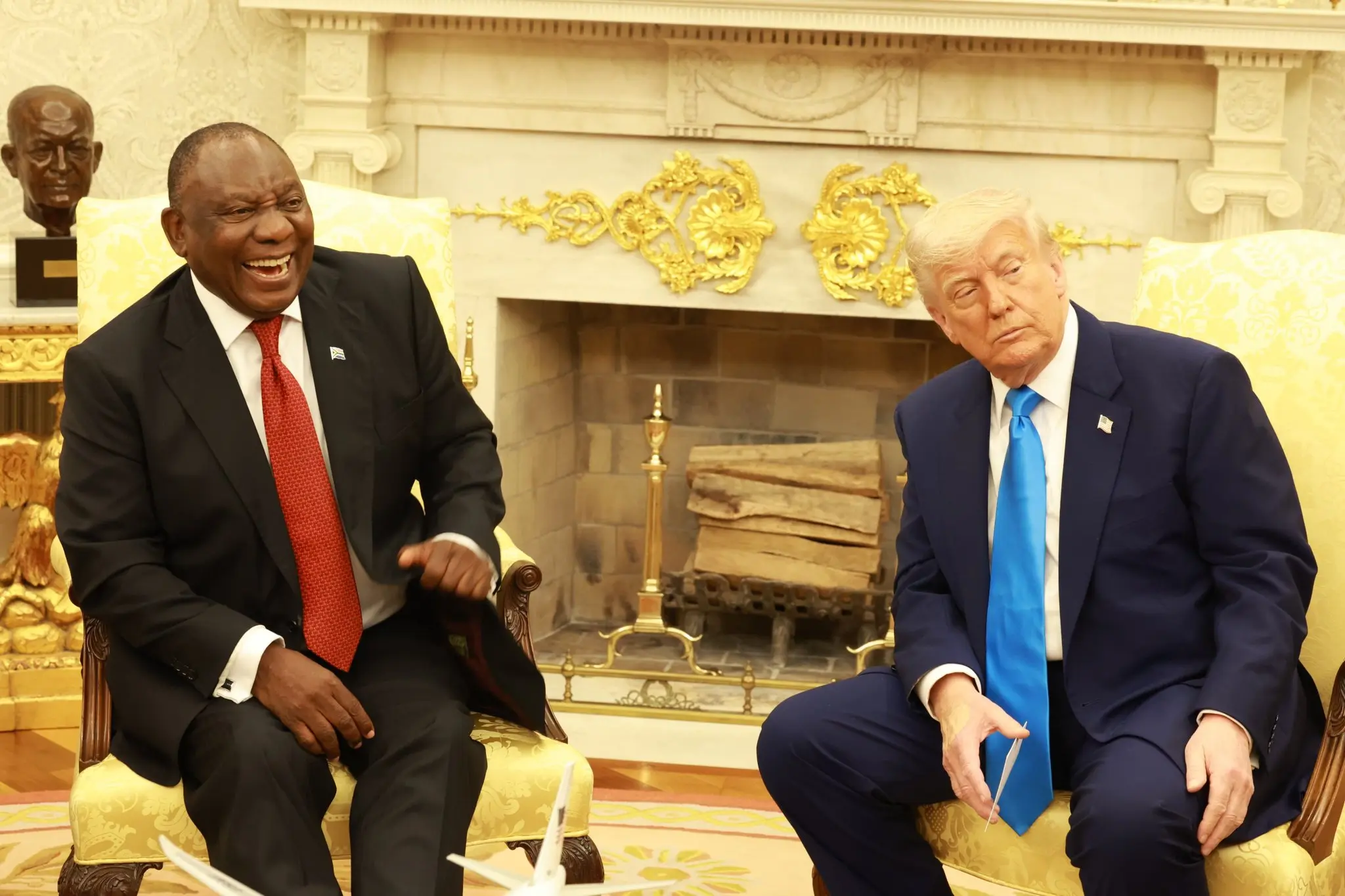
The US Supreme Court has cleared the way for the deportation of immigrants to South Sudan, marking a significant victory for President Donald Trump’s immigration agenda and potentially setting the stage for a wave of deportations to several African nations.
The ruling, which allows the US government to deport non-citizens—including those with no personal ties—to third countries, has drawn widespread concern from human rights advocates.
In this specific case, eight individuals were ordered deported to South Sudan despite the country’s ongoing conflict and lack of diplomatic protections.
The decision, backed by the conservative majority in the court, overturned lower-court rulings that required prior notice and an opportunity to contest deportation to unfamiliar or dangerous countries.
The dissenting justices argued that the ruling removes essential due process rights and exposes deportees to grave danger.
This legal precedent could open the door to broader deportation practices targeting undocumented migrants and asylum seekers, with several African countries now under consideration as destinations.
These include Rwanda, Libya, Senegal, Ghana, Nigeria, and Egypt, among others.
Some of these countries have already accepted deported individuals under bilateral agreements, and negotiations with others are underway.
Under President Trump’s renewed immigration strategy, the administration has moved aggressively to expand third-country deportations.
A key feature of this policy involves partnering with countries to receive migrants who may have committed crimes in the US or are deemed inadmissible under immigration law.
The administration has also pursued legal reforms to limit court oversight of immigration enforcement and increase funding for immigration detention and removal operations.
Trump has prioritised swift removals over prolonged legal proceedings, often framing the issue as one of national security and law enforcement.
Critics warn that this approach risks violating international law and endangering individuals sent to unstable or hostile regions.
Nonetheless, the Supreme Court’s ruling provides a green light for the administration to scale up removals, particularly to African nations with limited political leverage or internal conflict.
As deportation flights begin to ramp up, the implications for migrants—and for US relations with receiving countries—remain uncertain.
But for the Trump administration, the court’s decision is a major milestone in reshaping America’s immigration landscape.
news@businessdayafrica.org