US Sanctions on Rwanda Officials Show Congo War Far From Over
The war in eastern Democratic Republic of Congo is showing little sign of ending after the United States imposed sanctions on senior Rwandan military officials accused of backing M23 rebels, highlighting tensions that have persisted despite a US-brokered peace deal last year.
The US Treasury said it had targeted top officers of the Rwanda Defence Force over what Washington described as direct support to the March 23 Movement, known as M23, which has seized large swathes of territory in eastern Congo.
The measures freeze any US-linked assets held by the officials and bar Americans from dealing with them. Washington said the sanctions were aimed at pressuring Rwanda to halt military assistance to the rebels and to recommit to a peace framework signed in Washington in 2025.
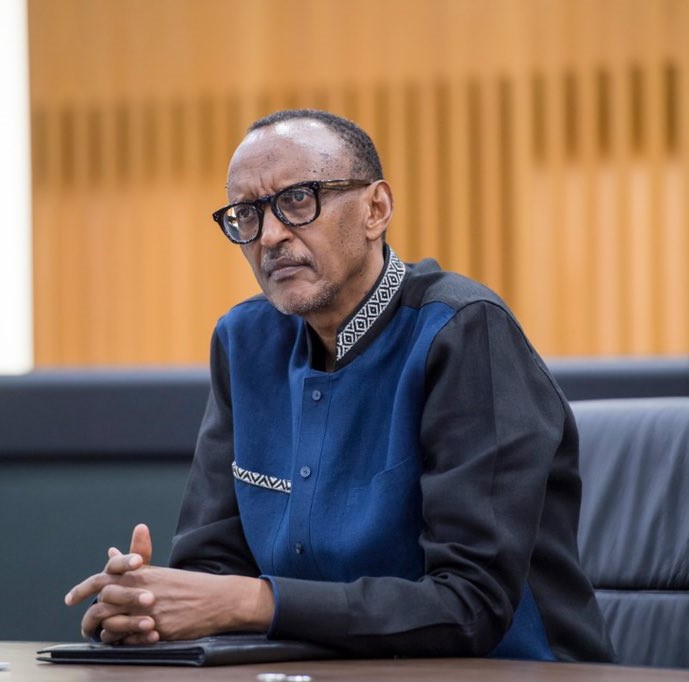
Rwanda has repeatedly denied providing support to M23, saying its security concerns stem from the continued presence in Congo of armed groups hostile to Kigali.
The Congolese government accuses Rwanda of deploying troops across the border and supplying advanced weaponry to the insurgents, charges Kigali rejects.
The latest US action highlights the fragility of the Washington accord signed in the US capital last year overseen by President Donald Trump.
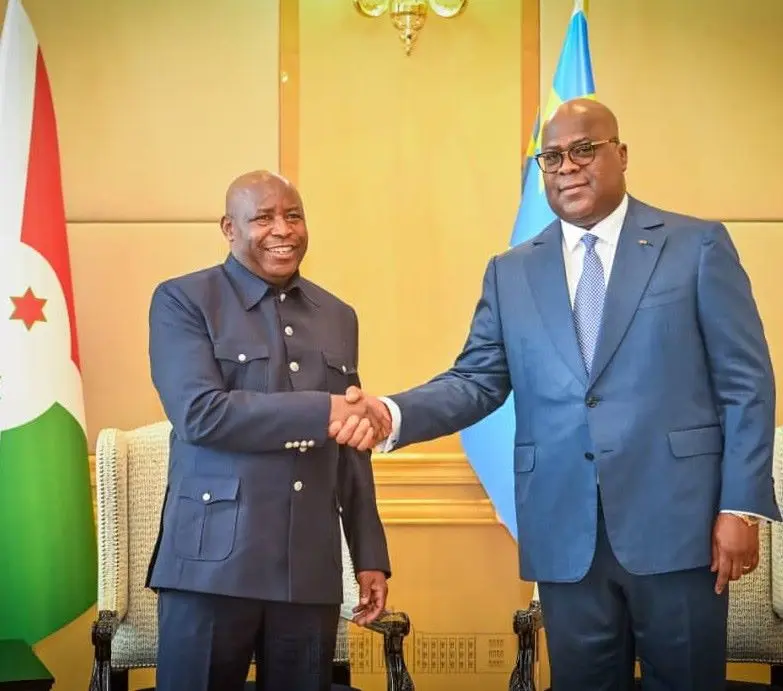
The deal brought together Congolese President Félix Tshisekedi and Rwandan President Paul Kagame and was billed as a breakthrough to end years of proxy conflict in the mineral-rich Great Lakes region.
Under the agreement, both sides committed to respect each other’s territorial integrity, support the disarmament of armed groups including M23 and the FDLR militia, and pursue economic cooperation intended to stabilise eastern Congo. US officials said at the time the pact would open the door to investment and security reforms.
But implementation quickly stalled. Kinshasa accused Kigali of failing to withdraw forces and dismantle support networks for M23, while Rwanda countered that Congo had not neutralised anti-Rwandan militias operating on its soil.
Sporadic clashes continued even as diplomatic efforts moved between Washington, regional capitals and African Union mediators.
M23, a Tutsi-led rebel movement that first emerged in 2012 after a mutiny within Congo’s army, resurfaced in late 2021 and mounted its most sustained offensive in a decade.
Since then, the group has captured key towns and strategic routes in North and South Kivu provinces.
Among the most significant gains was the provincial capital of Goma in North Kivu, a commercial hub near the Rwandan border that serves as a lifeline for humanitarian operations.
The rebels also advanced on Bukavu in South Kivu and have at various points controlled territory along Lake Tanganyika, threatening the port city of Uvira.
The renewed fighting has displaced millions of civilians and deepened one of the world’s largest humanitarian crises.
Camps around Goma and other urban centres have swelled with families fleeing violence, while aid agencies warn of food shortages and rising insecurity.
The conflict is rooted in the aftermath of the 1994 Rwandan genocide and subsequent regional wars that drew in multiple neighbouring states. Armed groups, some linked to ethnic militias and others to competition over gold, coltan and other minerals, continue to operate in eastern Congo’s rugged terrain.
Washington’s decision to sanction senior Rwandan officials marks one of its strongest moves yet in response to the crisis and signals growing impatience with the slow pace of progress under the 2025 accord.
Analysts say the measures could strain US-Rwanda ties, long seen as stable in a volatile region.
For Congo’s government, the sanctions are diplomatic backing for its claim that external interference is fuelling the rebellion.
For Rwanda, they are likely to be viewed as a one-sided step that overlooks its security concerns.
gandae@businessdayafrica.org