US Moves to Expand Denaturalisation Drive in Tougher Trump Immigration Push
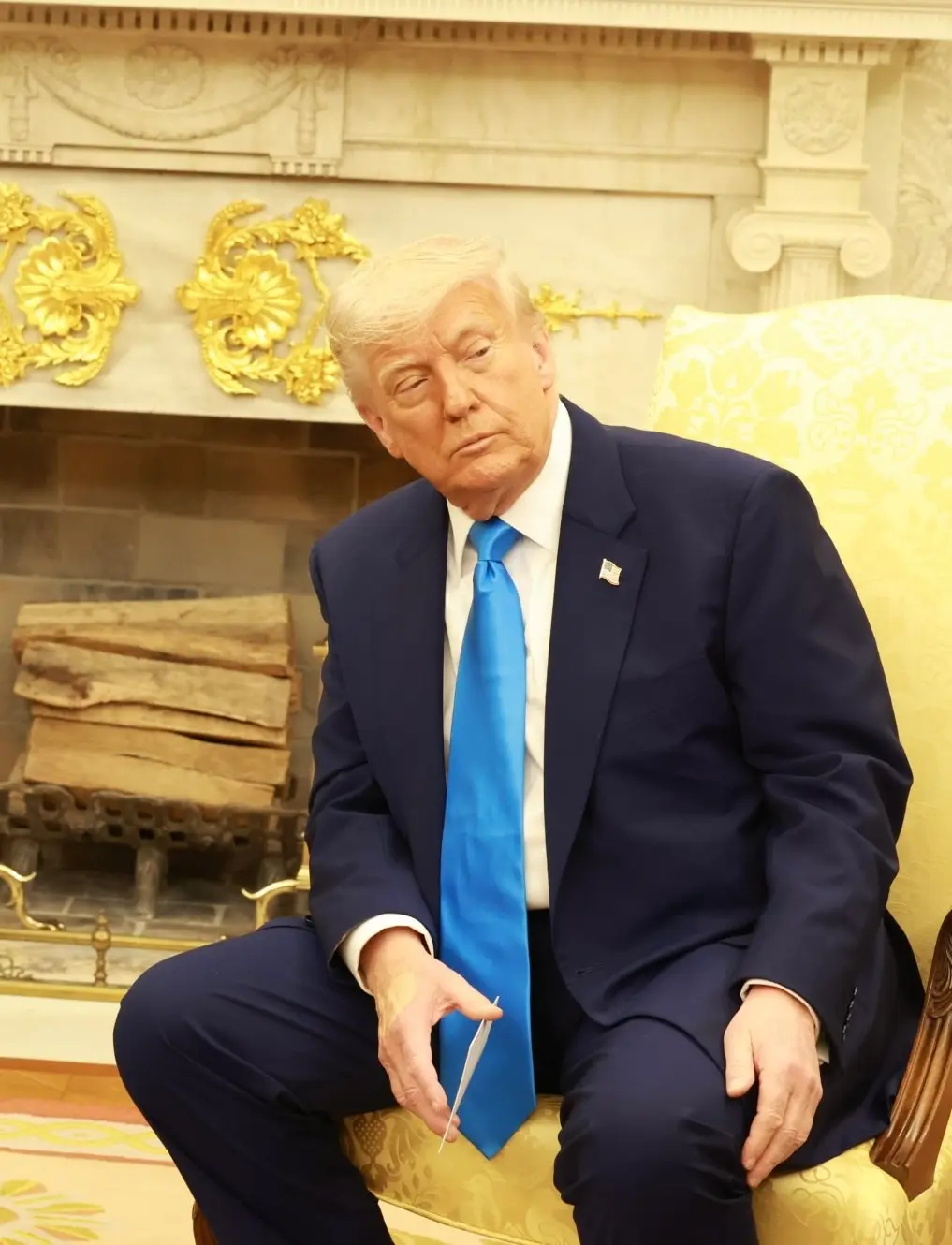
The Trump administration is preparing to sharply expand efforts to strip some naturalised Americans of their US citizenship, in what lawyers and rights groups say marks a new and aggressive phase in the president’s hardline immigration agenda.
Internal government guidance, quoted by international press, shows immigration officials have been instructed to significantly increase the number of cases referred to the Justice Department for possible denaturalisation — a rare legal process that allows the government to revoke citizenship obtained through fraud or misrepresentation.
Administration officials argue the move is aimed at protecting the integrity of the immigration system and targeting individuals who should never have been granted citizenship.
Critics, however, say the plan risks turning an extraordinary legal remedy into a routine enforcement tool, creating fear among millions of naturalised citizens.
Under US law, denaturalisation cases are handled in civil court and require the government to prove that citizenship was unlawfully obtained.
Historically, such cases have been used sparingly, often involving serious crimes such as terrorism, war crimes or large-scale fraud.
Rights advocates warn that expanding the programme could draw in people accused of minor or long-past errors on immigration paperwork.
The denaturalisation push fits into a broader pattern of restrictive immigration measures pursued by Trump since returning to office.
His administration has reinstated and expanded travel bans affecting dozens of countries, tightened asylum rules, accelerated deportation procedures and curtailed work authorisations that many migrants rely on to remain employed legally in the United States.
Earlier this year, the administration reduced the duration of certain work permits and imposed stricter renewal requirements, a move that immigrant groups say has left thousands temporarily unable to work while applications are re-vetted.
The White House has also backed wider use of fast-track removals and criminal prosecutions to deter unlawful border crossings.
In addition, US agencies have stepped up scrutiny of visa applications and permanent residency cases, with officials emphasising national security concerns and fraud prevention.
Trump has repeatedly argued that previous administrations allowed unchecked immigration that harmed American workers and strained public resources.
Legal experts say the expanded denaturalisation effort is likely to face court challenges, noting that citizenship carries strong constitutional protections.
Unlike criminal defendants, individuals facing denaturalisation are not guaranteed government-appointed lawyers, raising concerns about access to justice.
Democratic lawmakers and civil liberties groups have called for congressional oversight, warning that revoking citizenship on a wider scale could undermine confidence in the permanence of US nationality.
For now, the administration shows no sign of retreating. Trump has made immigration enforcement a central pillar of his presidency, and aides say tougher measures are necessary to restore what they describe as order and credibility to the system.
For many naturalised Americans, however, the policy shift has introduced new uncertainty, with advocates warning it could chill integration and participation in civic life by people who believed their status was secure.