US Bans Entry from 12 Nations, Hitting African Students, Visitors
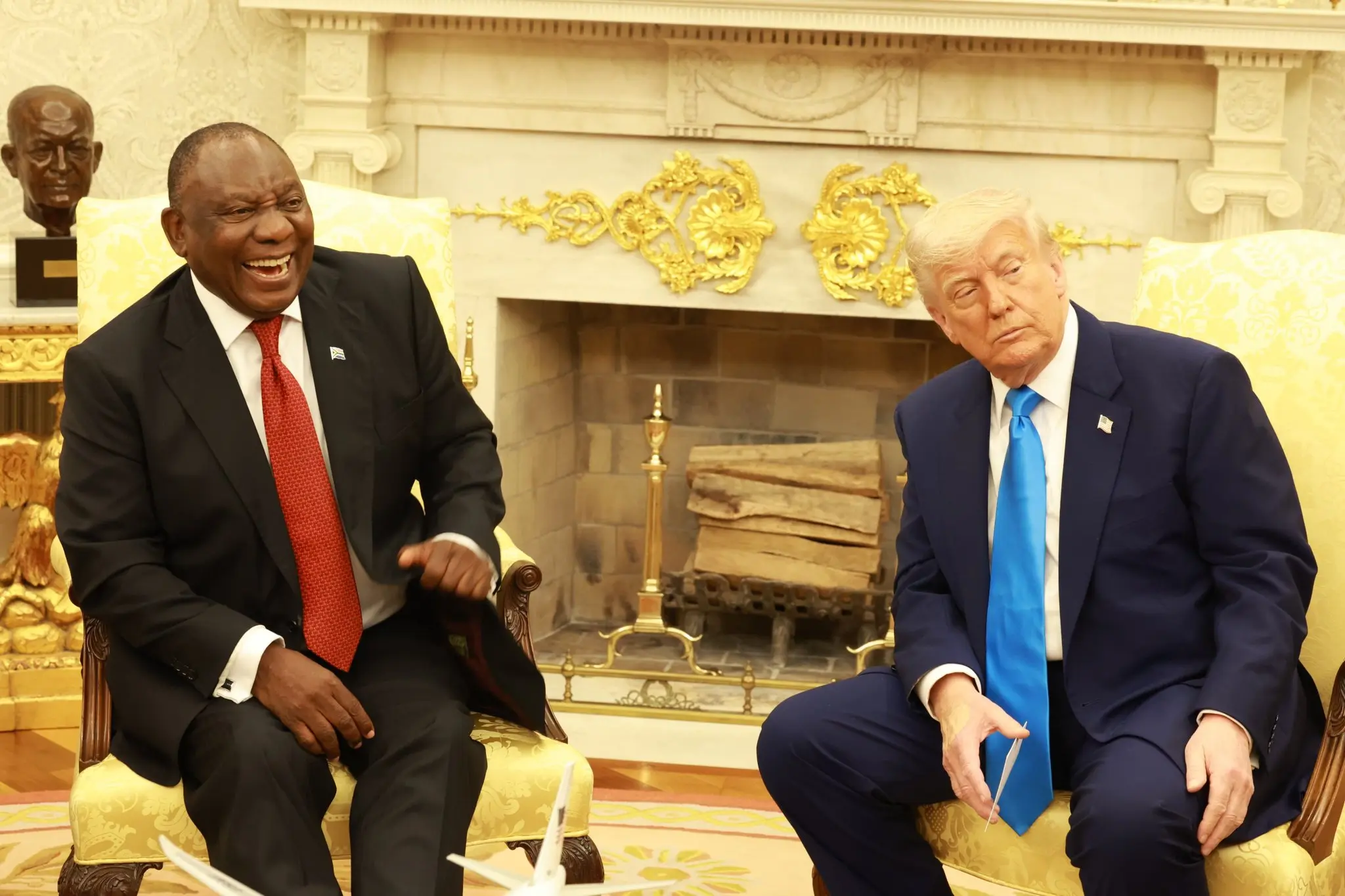
The Trump administration has barred entry to nationals from 12 countries—most of them in Africa—citing national security concerns, in a move that has drawn sharp criticism from education leaders and human rights groups.
The ban affects Nigeria, Sudan, Eritrea, Chad, Liberia, Sierra Leone, Somalia, Democratic Republic of Congo, Mali, Gambia and Zimbabwe. Officials said the countries failed to meet revised visa security standards, but critics say the policy disproportionately targets African nations and undermines US global standing.
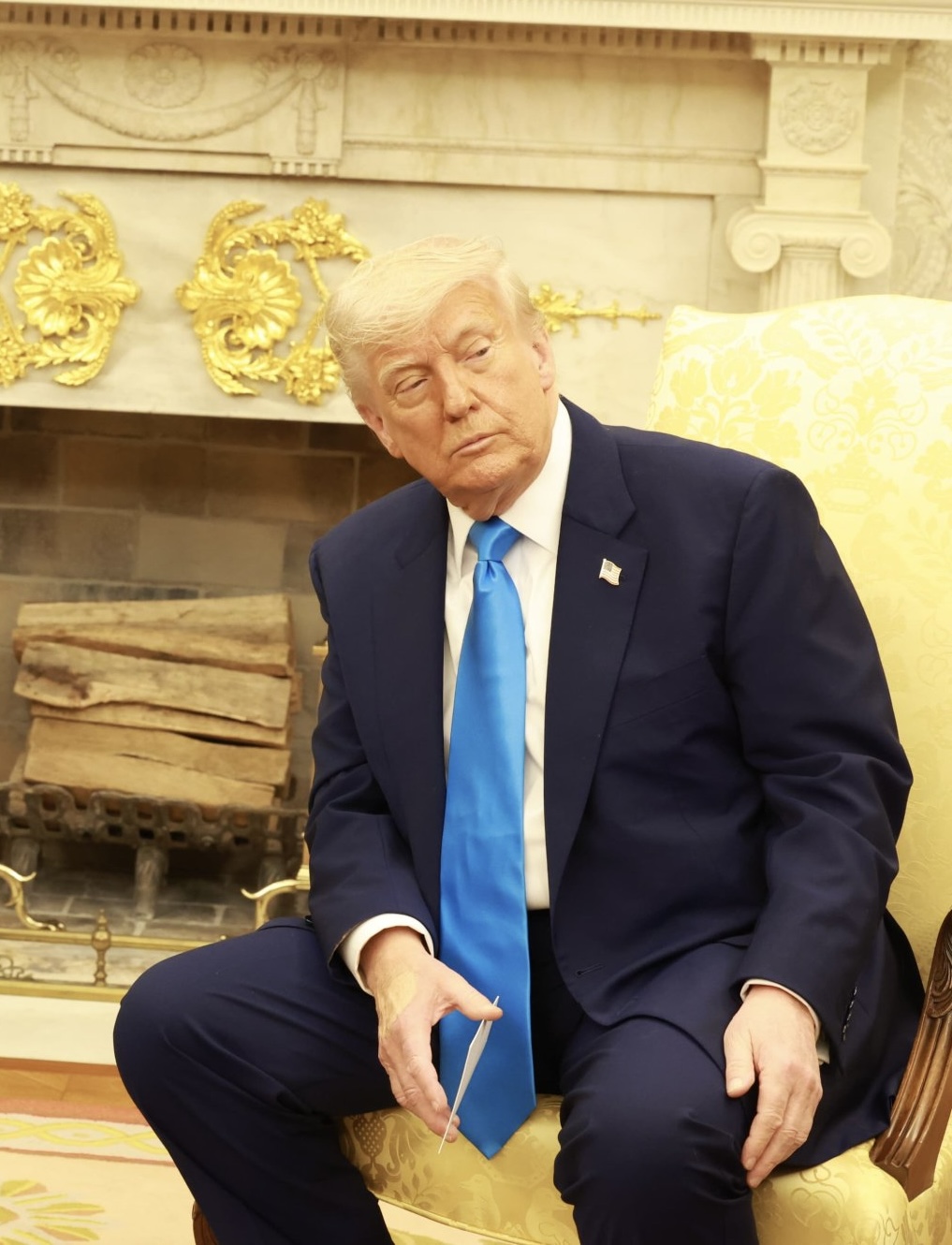
The decision has immediate consequences for students and visitors, many of whom had secured admission to US universities for the upcoming academic year.
American higher education institutions have long been favoured by African students for their advanced research facilities and international recognition, which often provide graduates a competitive advantage in the global job market.
According to UNESCO, the United States was the top destination for African students abroad before the ban, particularly in science, medicine, and engineering fields.
The new restrictions threaten to reverse decades of academic partnerships and educational progress.
The move follows previous clashes between the Trump administration and universities over the status of international students.
In 2020, the administration attempted to force international students to leave the country if their coursework moved online due to COVID-19.
The measure, which faced legal challenges from Harvard and MIT, was eventually overturned in court.
Still, university officials say admissions practices have since faced quiet pressure to reduce international enrollment, especially from countries flagged as security risks.
The latest ban is part of a broader overhaul of US immigration policy under President Trump, whose administration implemented controversial measures including the “zero tolerance” border policy, family separations, mass deportations, and a rollback of protections for migrants under Temporary Protected Status.
In 2019 alone, ICE deported over 275,000 individuals.
The African Union condemned the new restrictions as discriminatory, and Nigeria recalled its ambassador to the United States for consultations.
Legal challenges are expected from advocacy groups and universities, which argue the ban damages America’s reputation and future innovation.
“The message this sends is deeply troubling,” said a spokesperson for the National Immigration Council, who is quoted by the international press. “This isn’t about security—it’s about shutting doors.”
ligadwah@businessdayafrica.org