Trump-Ramaphosa Meeting Turns Tense Over White South African Resettlement Issue
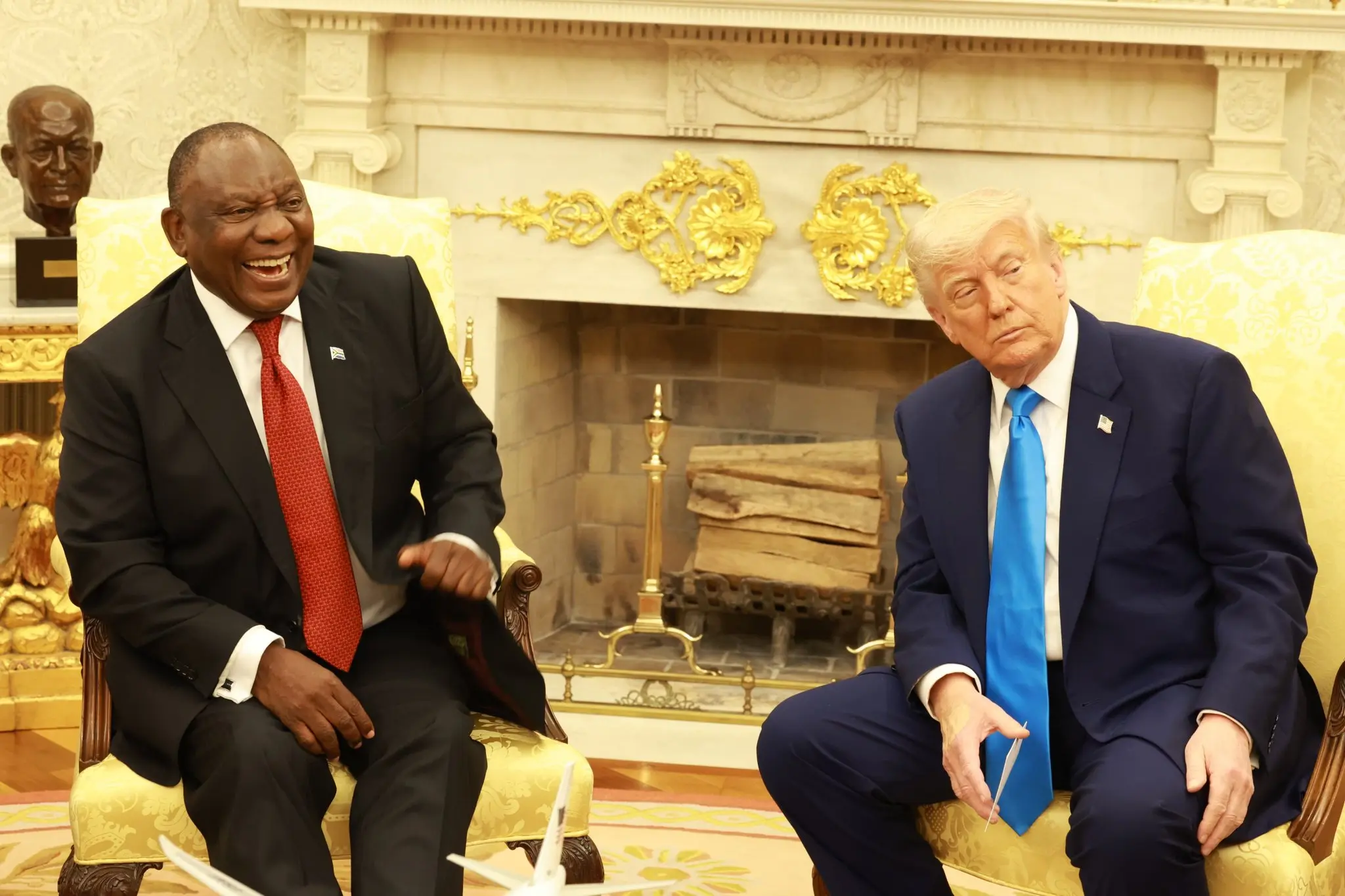
A high-stakes meeting between US President Donald Trump and South African President Cyril Ramaphosa veered into diplomatic turbulence this , as Trump unexpectedly confronted his guest with controversial claims of violence against white South African farmers, reigniting a long-standing flashpoint between the two nations.
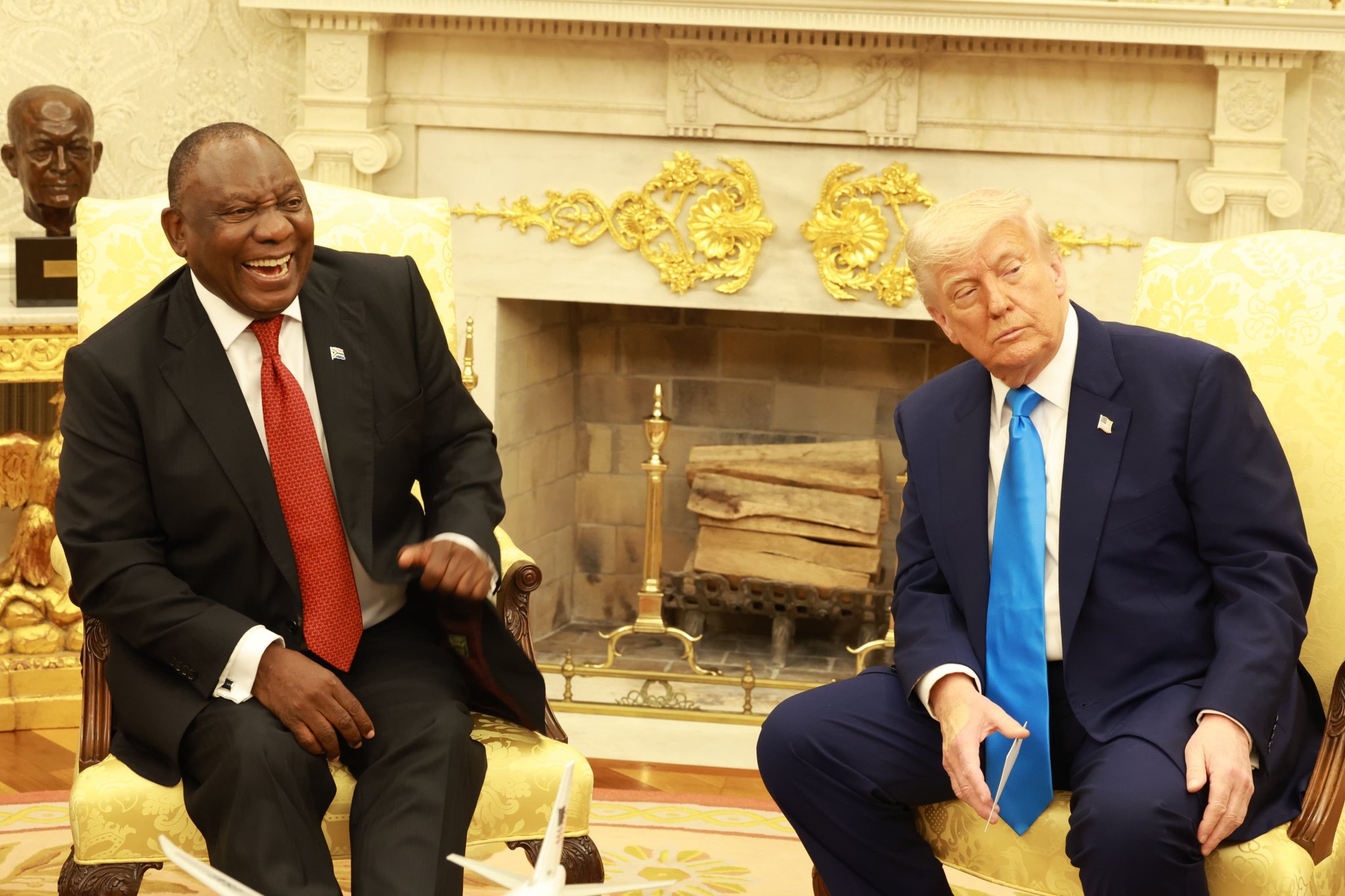
The Oval Office meeting, initially framed as an effort to deepen economic and security ties, became confrontational when Trump presented Ramaphosa with a video montage portraying attacks on white farmers and alleging state-sanctioned discrimination in South Africa.
The move drew immediate pushback from Ramaphosa, who rejected the premise of the footage and described the portrayal as misleading.
Tensions were already simmering ahead of the visit following the US Department of Homeland Security’s decision last week to grant asylum to 59 white South Africans.
The group, resettled in Texas and Idaho, cited racial violence and alleged government negligence as grounds for refugee status.
The decision has drawn criticism from human rights observers and South African officials, who argue that the move misrepresents the country’s broader crime dynamics and risks reviving apartheid-era racial narratives.
Trump, who has repeatedly amplified claims of “white genocide” in South Africa since his first term, told aides he viewed the refugee decision as a necessary response to what he called “unreported atrocities.”
During the meeting, he reportedly dimmed the Oval Office lights and screened the footage without prior notice, a tactic reminiscent of his 2020 confrontation with German Chancellor Angela Merkel over NATO funding.
Ramaphosa, visibly caught off guard, responded sharply, asserting that South Africa’s crime challenges affect citizens across racial lines and that the government does not condone targeted violence.
He emphasised that the nation’s legal and land reform policies, while contentious, are rooted in historical redress and constitutional law—not racial persecution.
Though both leaders issued formal statements describing the meeting as “productive,” analysts suggest the exchange has chilled bilateral momentum and risks alienating US allies wary of similar diplomatic ambushes.
Critics within Washington and Pretoria warn the incident may complicate US-Africa relations at a time of rising Chinese and Russian engagement on the continent.
The White House has not commented further on the meeting’s content.
news@businessdayafrica.org