Trump Moves to Intervene in Sudan War
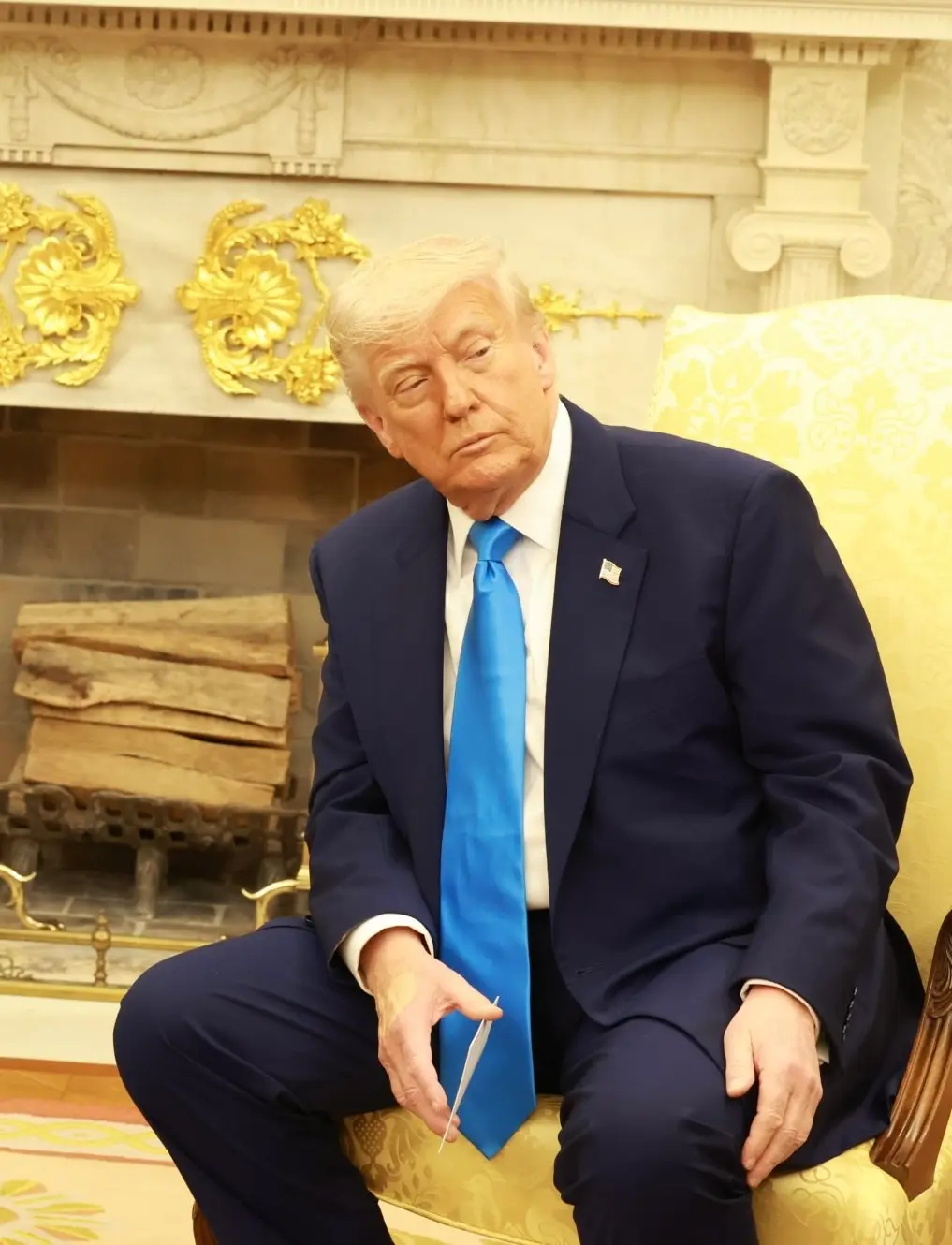
President Donald Trump has moved to insert the United States into Sudan’s grinding civil war, saying he had discussed the crisis with Saudi Crown Prince Mohammed bin Salman during the prince’s visit to Washington and was prepared to “get involved” to help stop the fighting.
The remark, delivered after a private meeting at the White House, marked one of Trump’s clearest declarations yet that his administration intends to play a more assertive role in conflicts that have destabilised Africa and the Middle East.
Trump said the Saudi crown prince had urged him to act, describing the humanitarian toll in Sudan as intolerable and warning that the conflict risked spilling across borders.
The president, who has long styled himself as a dealmaker capable of brokering difficult agreements, said he intended to explore diplomatic options with partners in the region and in Europe.
While he stopped short of outlining a formal plan, he suggested that the United States would seek to pressure Sudan’s warring factions into a cease-fire and create conditions for humanitarian relief.
The White House’s interest in Sudan represents another shift for an administration that has in recent months leaned deeper into the world’s most volatile disputes.
Trump, now well into his second term, has displayed a greater appetite for direct intervention, often framing his actions as necessary steps to restore American influence abroad.
Sudan is only the latest arena to draw his attention.
Earlier this year, the administration launched a series of strikes on Iranian nuclear sites, a move that officials defended as a pre-emptive step to hinder Tehran’s programme.
Though the strikes prompted a tense standoff, the White House portrayed them as having opened a path for renewed diplomatic talks.
In the Gaza conflict, Trump startled even some of Israel’s allies when he floated an idea for the United States to assume a postwar administrative role in the territory.
The suggestion rapidly drew criticism from Arab governments and humanitarian organisations, who warned that placing American authorities in charge of Gaza could inflame tensions rather than resolve them.
Trump has also moved to re-engage with governments that Washington had long kept at arm’s length.
His decision to host Syria’s president at the White House marked a dramatic reversal of US policy and signalled a willingness to explore new alliances in the name of counterterrorism and regional stability.
Taken together, these actions highlight a foreign policy that has grown more interventionist and unpredictable.
Supporters say Trump is addressing crises that previous administrations allowed to spiral.
Critics warn he risks drawing the United States into conflicts that offer little chance of resolution.
Sudan, where two rival military factions have battled for control since last year, may prove one of his sternest tests.
Diplomats and aid agencies have repeatedly warned that the war threatens to fracture the country beyond repair and deepen a humanitarian emergency that has pushed millions into displacement.
For the moment, Trump’s involvement remains little more than a declaration.
But by signaling that Washington is ready to take a more active role, the president has placed the United States squarely in the diplomatic scramble over Sudan’s future — and added another conflict to a growing list in which his administration is now entangled.
news@businessdayafrica.org