Tanzania Stares at Post-Election Chaos as Violence Erupts on Polling Day
Tanzania is facing mounting unrest after the country descended into chaos on Election Day, with violent clashes, arrests, and widespread tension casting a shadow over the presidential vote.
Protests erupted across Dar es Salaam and other major cities as security forces confronted opposition supporters angered by what they described as a rigged process.
Several people were reported injured after police fired tear gas and live bullets to disperse crowds.
Petrol stations were set ablaze and road barricades erected as the army moved in to restore order.
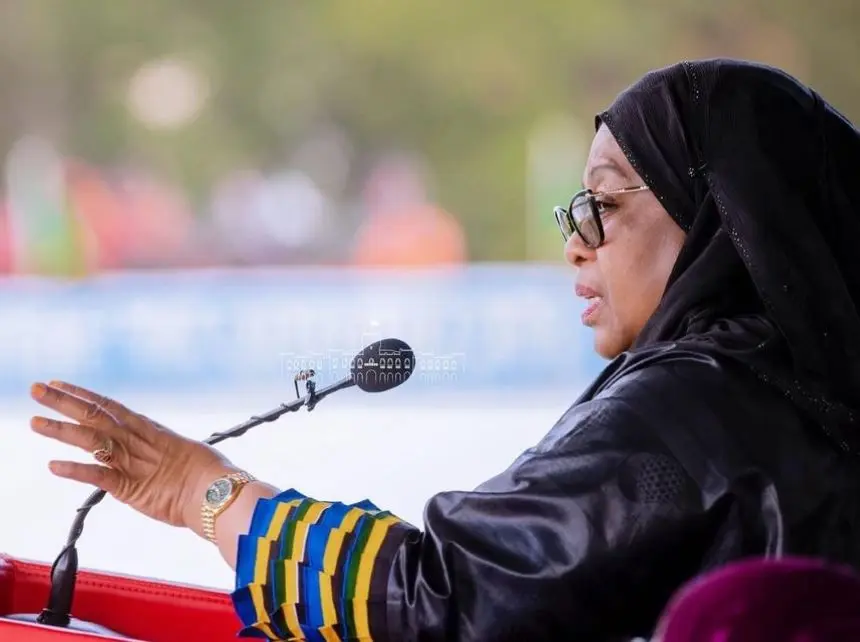
The turmoil comes as preliminary results show President Samia Suluhu Hassan heading for a decisive victory, following months of political maneuvering that saw her main rival, Tundu Lissu, effectively sidelined from the race.
Opposition parties say the outcome was predetermined, accusing the ruling Chama Cha Mapinduzi (CCM) of using state machinery to suppress dissent and ensure the incumbent’s win.
Tundu Lissu, a former Member of Parliament and vocal critic of government corruption, has long symbolised resistance to one-party dominance in Tanzania.
He survived an assassination attempt in 2017, was forced into exile in Belgium for several years, and returned to contest the 2020 election, where he alleged widespread fraud.
In the run-up to this year’s poll, Lissu was arrested on charges his supporters called politically motivated, effectively locking him out of the presidential race.
The election has further polarised Tanzania, with human rights groups warning of a shrinking democratic space marked by arbitrary arrests, restrictions on rallies, and growing intimidation of journalists and activists.
Reports of internet disruptions during voting and the counting process have fueled accusations that authorities are concealing irregularities.
Analysts say the escalating violence threatens to push Tanzania into prolonged instability unless steps are taken to restore public confidence in the electoral process.
The ruling party maintains that the election was peaceful and transparent, blaming “troublemakers” for the unrest.
With tension still high in Dar es Salaam and other urban centers, the government faces growing pressure to open dialogue with the opposition and prevent the situation from spiraling into deeper political crisis.
If calm is not restored soon, Tanzania — long seen as one of East Africa’s most stable nations — risks sliding into a period of uncertainty that could test both its democratic institutions and regional standing.
gandae@businessdayafrica.org