Sex Workers Demand Equal Protection and Release of GBV Taskforce Report
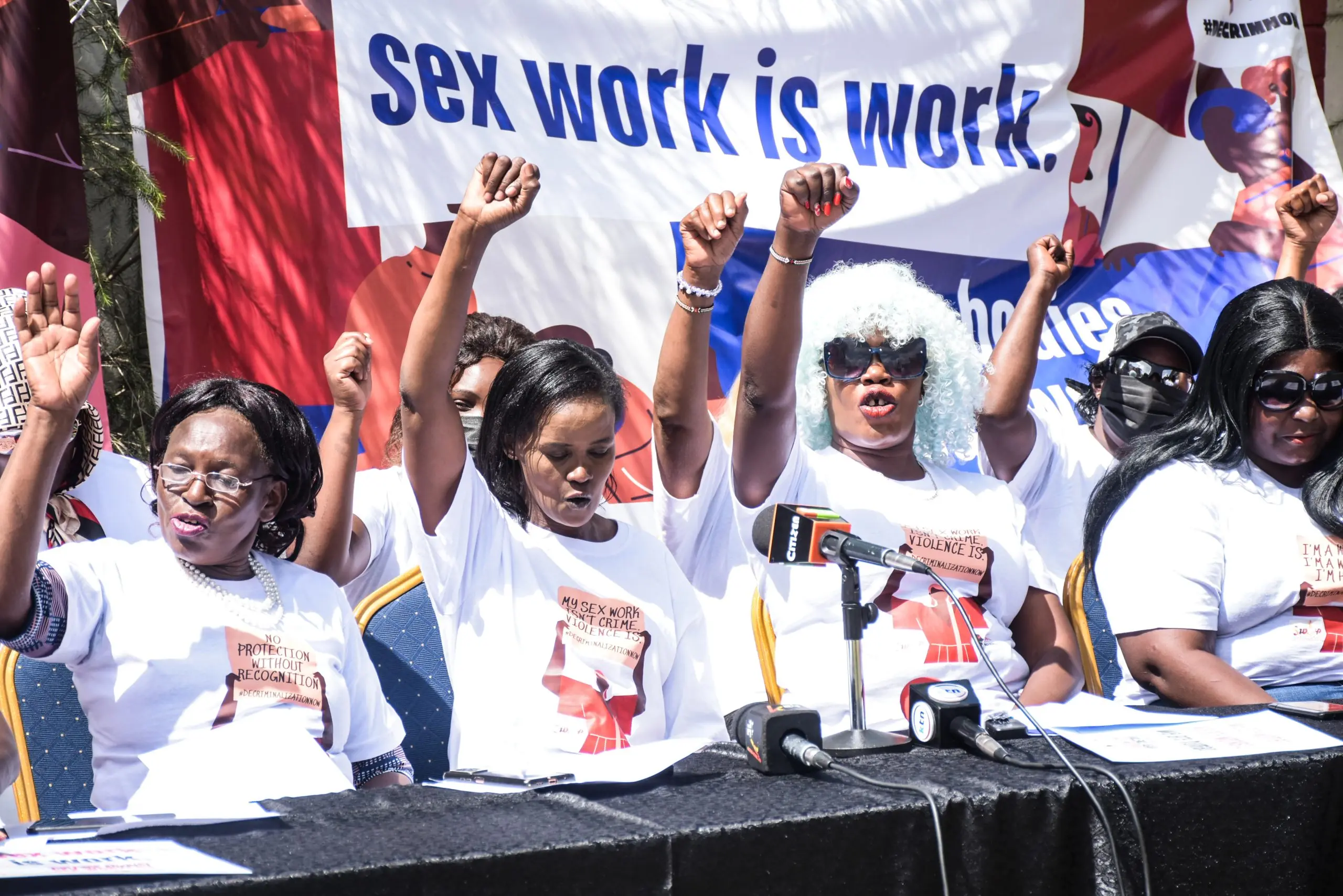
Sex workers in Kenya are demanding equal protection under the law and the immediate publication of a long-awaited government taskforce report on gender-based violence, warning that continued silence is fueling deadly violence against them.
Speaking during a press briefing on December 17 to mark the International Day to End Violence Against Sex Workers, activists and advocates accused the State of abandoning sex workers to violence by criminalising their work while shielding abusers from accountability.
They said aggression from police, clients and strangers continues unabated, enabled by laws and systems that punish survivors instead of perpetrators.
The Presidential Taskforce on Gender-Based Violence and Femicide was established to break entrenched patterns of violence against women. Sex workers actively participated in the process, submitting testimonies, data and lived experiences, but a year later the taskforce report remains unpublished.
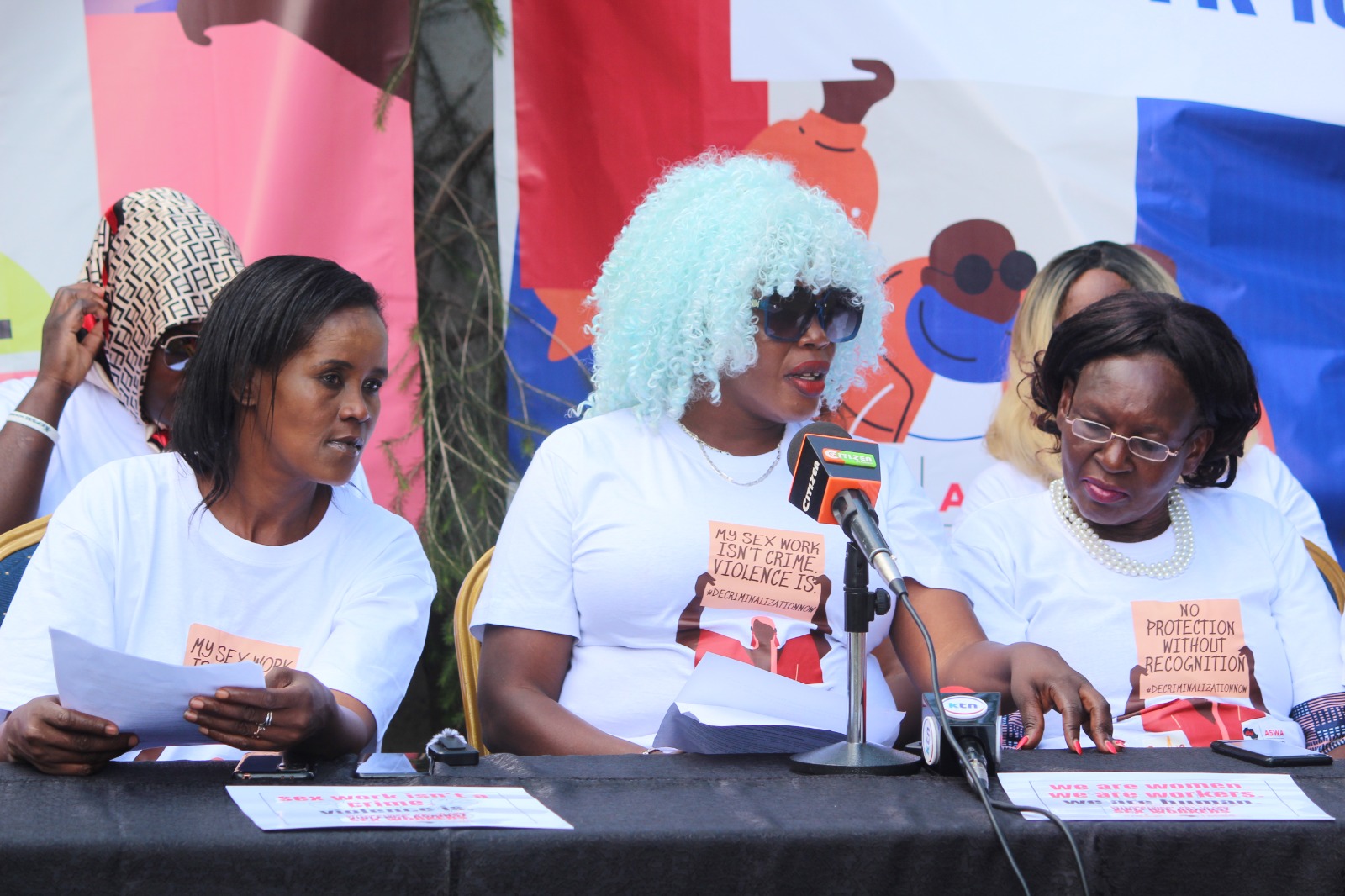
“We demand that the taskforce report is released immediately and our experience be officially acknowledged, published and used to shape policy in Kenya. Anything less justifies more violence,” said Veronica Were, a sex worker and a paralegal
She noted that a national response to violence that excludes sex workers is neither inclusive nor fair, maintaining that the silence is a broken promise to women.
Advocates argue that violence against sex workers persists precisely because of criminalization, noting that when the State labels sex workers as criminals, access to police protection, medical care and justice is effectively denied.
In the current operating environment, reporting violence often exposes survivors to arrest, harassment or retaliation, discouraging them from seeking help and allowing evidence to be lost.
“Violence against sex workers persists because of the laws and systems that criminalise survivors while shielding abusers. When we call for decriminalisation, we are simply calling for the right to report violence without fear of arrest,” said Were.
Sex worker-led organisation SWOP Ambassadors painted a grim picture of the consequences of criminalizing sex work noting that this year alone, 27 women in sex work were murdered in Nairobi.
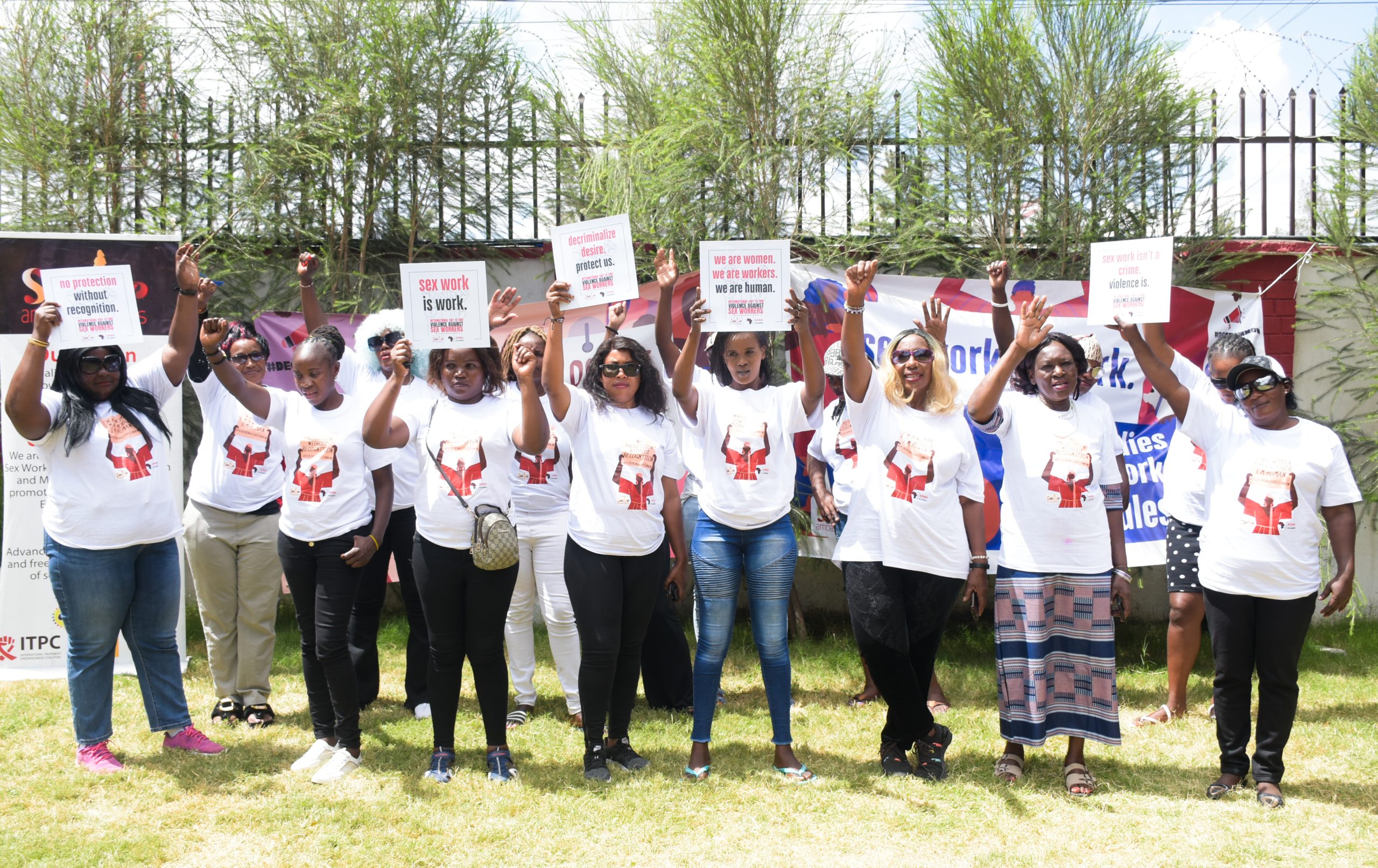
“The violence comes from clients, the police and strangers, while the deaths were enabled by laws that criminalise the work of sex workers, effectively handing them the ultimate punishment simply for their choice of livelihood,” said Rosemary Kasiba, the organisation’s executive director.
On December 17, the world marks the International Day to End Violence Against Sex Workers.
SWOP Ambassadors documented 345 cases of violence against women in sex work in Nairobi in 2025 alone, 27 of which ended in murder. Activists say these figures reflect only a fraction of the reality, as many survivors never report attacks due to fear of arrest or further abuse.
Sections 153 and 154 of the Penal Code, which criminalise consensual adult sex work, are at the centre of calls for reform.
Ms Were insists that these laws do not prevent violence, but rather enable it by making survivors “disposable” and protecting their abusers.
From more than a decade of responding to violence, sex worker organisations say legal reform, while essential, is not enough on its own. Police files are routinely sabotaged or disappear, bribery determines which cases move forward, courts remain underfunded, and powerful abusers are shielded by political and police connections.
“The result is that rapists and killers walk free, families get no justice, and violence repeats,” said Ms Kasiba.
SWOP Ambassadors called for increased oversight of police handling of violence cases, proper funding for health services and courts, more investigative journalism, and greater courage to confront abusers in positions of power.
Ending violence, they said, requires making violence “impossible” through accountability and systemic reform.
“We are asking for nothing more and nothing less than equal protection under the law,” she said.
ligadwah@businessdayafrica.org