Ramaphosa Condemns Vigilantism as anti-Foreigner Tensions Escalate
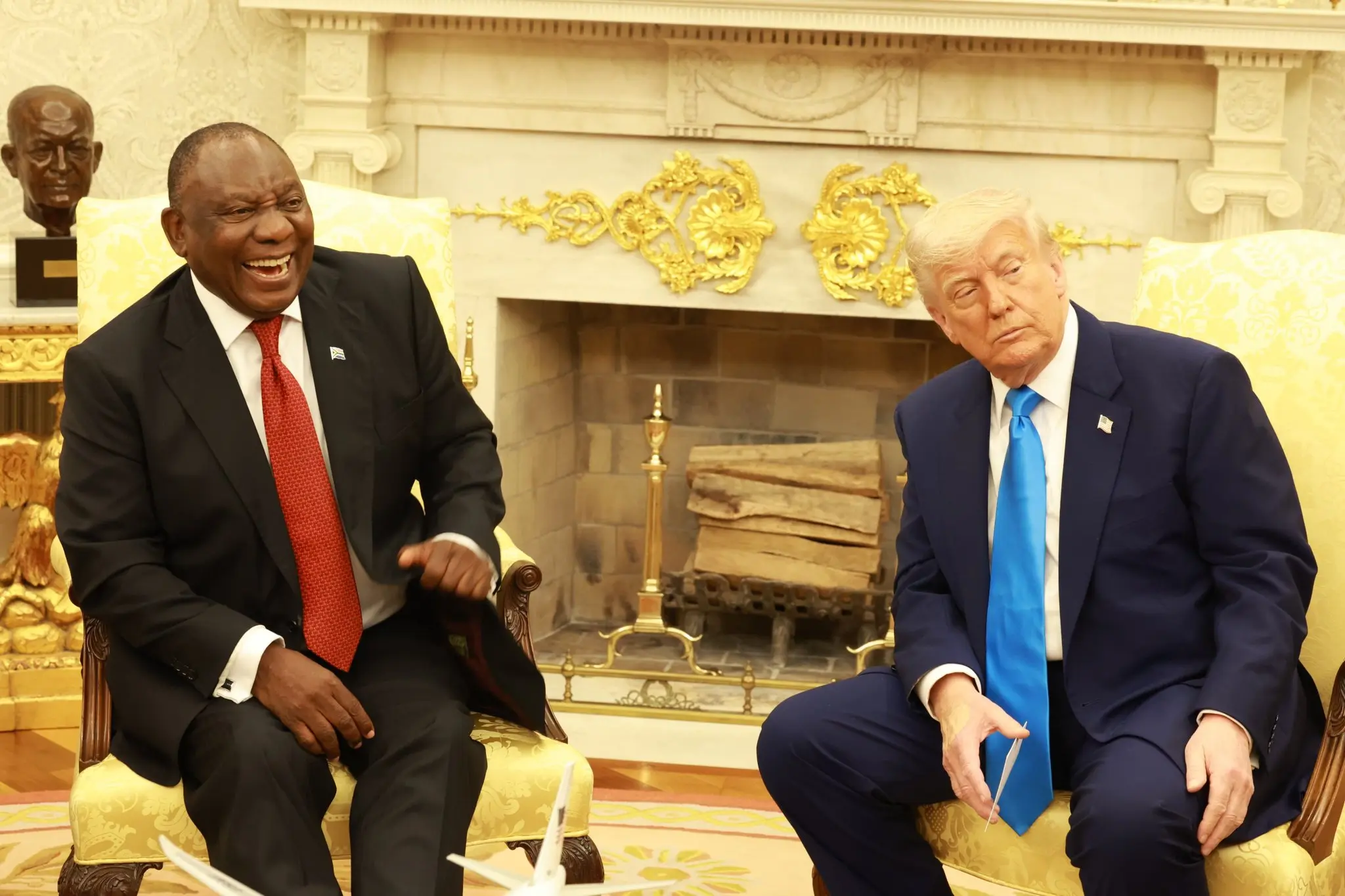
South African President Cyril Ramaphosa on Monday condemned vigilantism against foreign nationals, a day before a deadline issued by anti-immigrant groups demanding that undocumented foreigners leave the country, as neighbouring Uganda ordered the evacuation of its citizens over growing security fears.
Ramaphosa warned that citizens taking the law into their own hands threatened South Africa’s constitutional order, saying no one had the authority to enforce immigration laws except the state.
His remarks come after weeks of anti-immigration protests and attacks on foreign-owned businesses in several cities, prompting thousands of migrants to seek refuge at churches, community centres and diplomatic missions while others have fled the country.
The unrest has disrupted business activity, particularly among small retailers, informal traders and transport operators that rely heavily on migrant workers and entrepreneurs.
Hundreds of foreign-owned shops have closed after being looted or threatened, disrupting supply chains in townships and commercial centres.
Uganda became the latest African country to order the evacuation of its citizens from South Africa, citing deteriorating security conditions. Other governments, including Nigeria, Ghana, Malawi, Mozambique and Zimbabwe, have also organised the repatriation of nationals or urged them to leave areas affected by the violence.
Ramaphosa said vigilantism had “no place in our constitutional democracy” and warned against stopping people on the streets to inspect their identities or nationality, saying such actions violated constitutional rights and revived painful memories of South Africa’s past.
The president acknowledged public concern over illegal immigration and pressure on public services but said frustration could not justify violence or intimidation.
South Africa, Africa’s most industrialised economy, has long attracted migrants seeking employment and business opportunities.
However, persistent unemployment, sluggish economic growth and rising living costs have fuelled resentment towards foreign nationals, who are frequently blamed for crime and job losses despite limited evidence supporting those claims.
The latest violence has rekindled memories of previous waves of xenophobic attacks, including the deadly unrest in 2008 that killed more than 60 people and displaced thousands.
It has also raised concerns among investors and business leaders that prolonged instability could undermine consumer confidence, disrupt commerce and further strain relations between South Africa and its African neighbours.
news@businessdayafrica.org