PLHIV Leaders Unite in Nairobi to Safeguard Treatment Access After US Pullback
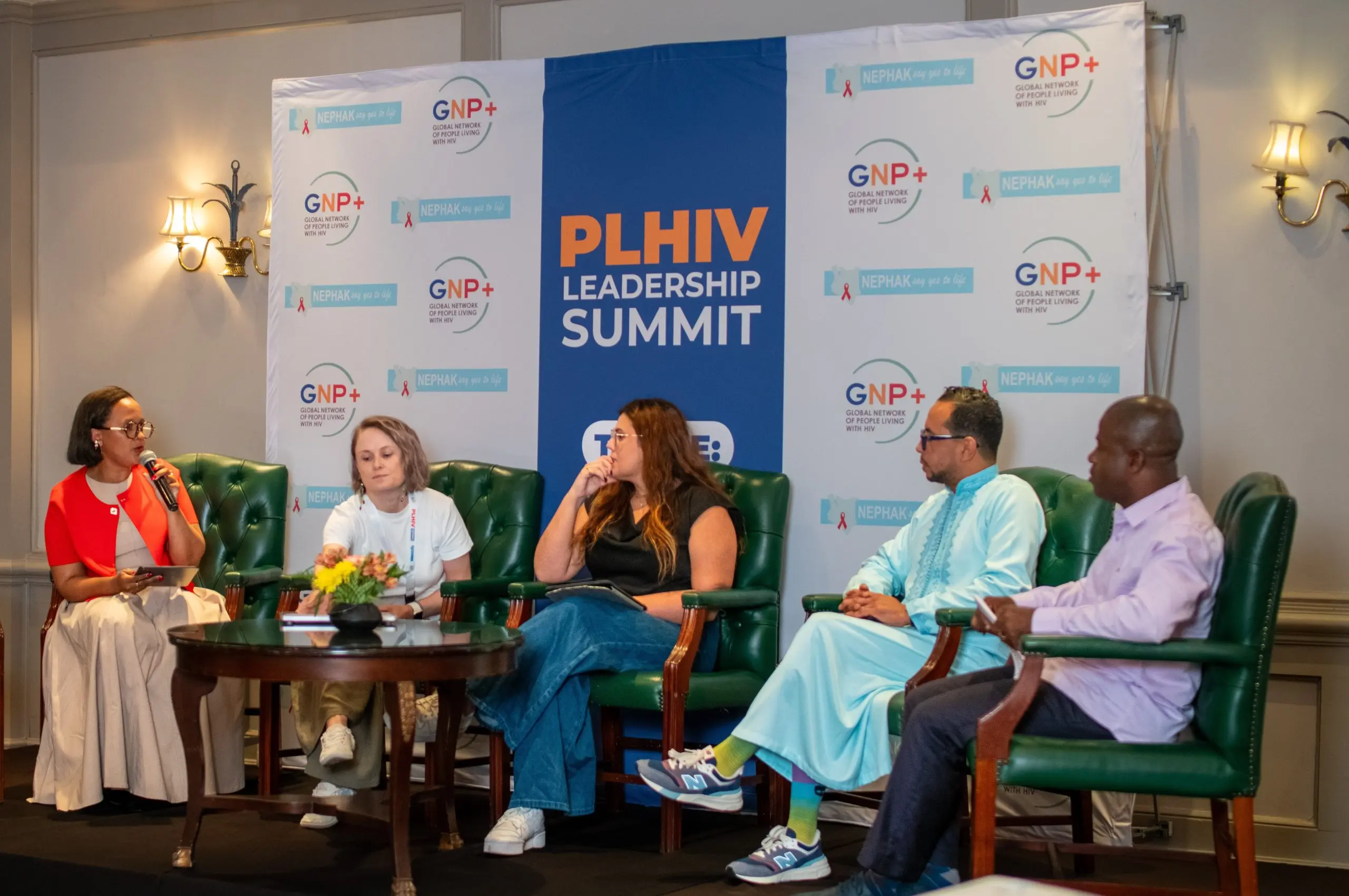
Leaders from across the world representing people living with HIV (PLHIV) have vowed to defend access to life-saving treatment and protect hard-won gains, following sharp cuts to US foreign aid that threaten the global HIV response.
US President Donald Trump in January announced the funding freeze, which has set to severely impact global AIDS response efforts spearheaded by the United States Agency for International Development (USAID).
In response to this shift in priorities and stagnating progress in the fight against HIV, the more than 30 PLHIV network leaders from across the world convened in Nairobi in a show of solidarity, aiming to rebuild momentum within the HIV movement.
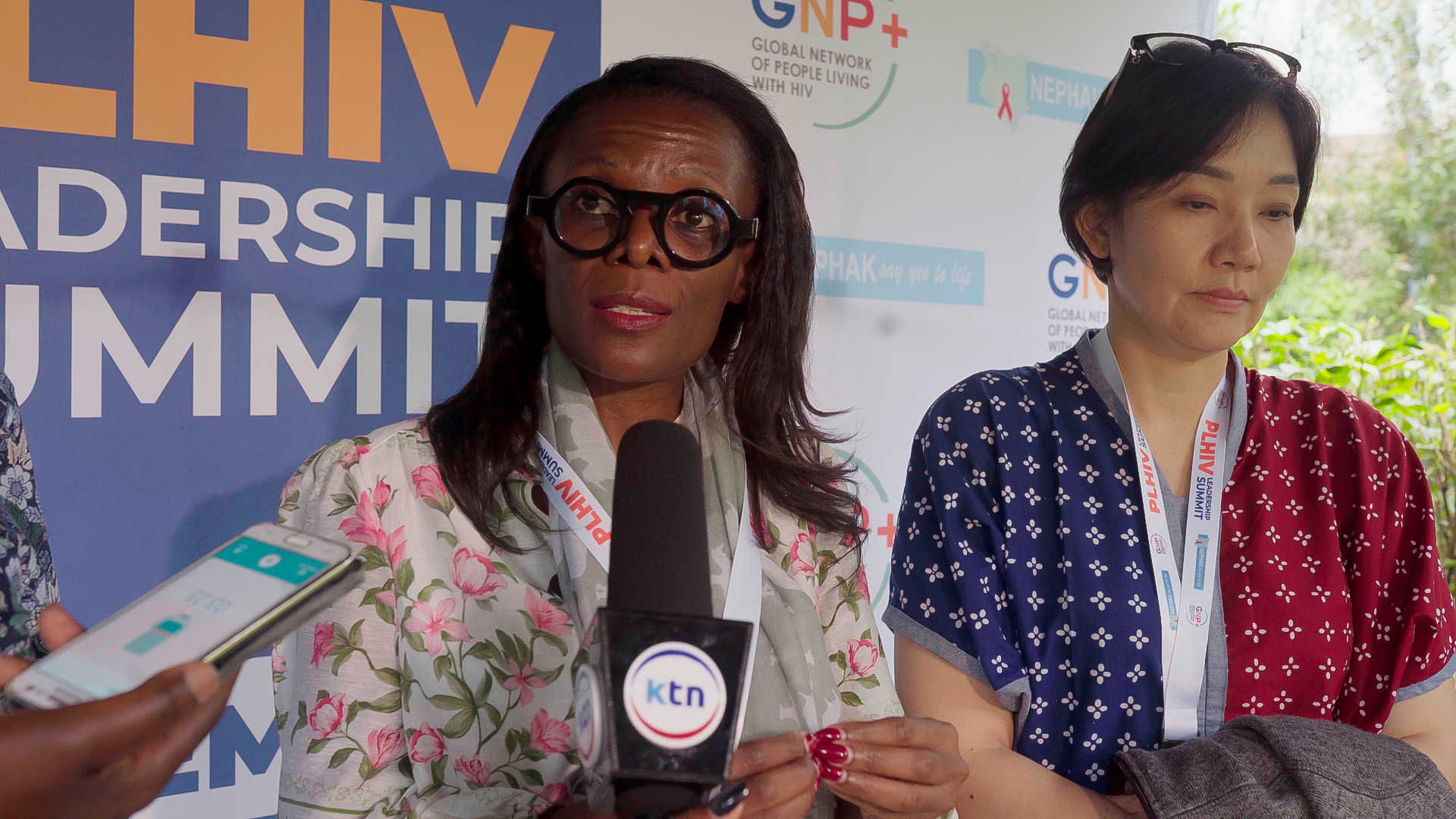
“Let us come together as a team because this is a moment of service, of hard conversations and thinking ahead,” said Florence Anam, the GNP+ Co Director in her closing remarks at the inaugural PLHIV Leadership Summit.
She added, “I believe with the resilience we have built over the years, we will be the generation that will make the next level of the history that is told about the PLHIV movement”.
In a swift response to the US foreign aid freeze, the 2025 summit was urgently convened by Global Network of People Living with HIV (GNP+), in partnership with the National Empowerment Network of People Living with HIV/AIDS in Kenya (NEPHAK), to rally global HIV voices and protect progress.
GNP+ is led by and for people living with HIV and is actively engaging with national PLHIV networks and other key stakeholders including government agencies to ensure that the voices of PLHIV are central to these processes.
The cancellation of the President’s Emergency Plan for AIDS Relief-Pepfar and USAID contracts has impacted $2.88bn HIV specific funding, dismantling community health systems, human resource shortages, halting of services in Pepfar funded clinics reversing decades of progress.
“My ask to you all is to shout out loud and claim your seat at the decision-making table. Only then can we end AIDS as a public health threat and keep people alive,” said Jolijn van Haaren of the Dutch Ministry of Foreign Affairs, addressing participants at the 2025 PLHIV Leadership Summit.
She noted the world is at a huge turning point regarding HIV response, with a lot of chaos in the global health landscape, adding that the sustainable roadmaps should be adopted as anchor points.
Kenya has made significant strides in the fight against HIV, reducing AIDS related deaths by 68 percent to 18,473 in 2022 from 58,446 in 2013, thanks to increased number of people on antiretroviral treatment (ART).
These milestones are at risk of erosion following the US government freeze on foreign aid given that the US directly purchases about 30 per cent of HIV drugs used in Kenya.
The rest are mainly bought by the Geneva-based Global Fund, which receives about one-third of its total funding from the United States.
The country is also grappling with increasing cases of AHD emanating from late HIV diagnosis, delayed enrollment in care and ART initiation, treatment interruption and treatment failure due to drug resistance.
TB remains the leading cause of death among PLHIV, followed by severe bacterial infections among children and cryptococcal meningitis among adults.
Data from the Ministry of Health shows 1.37 million Kenyans are living with HIV, with 67,869 of this accounting for children aged below the age of 14 years.
The network leadership is determined not to panic and reverse the gains but to strengthen the capacity of PLHIV networks to collaborate with their governments as they adapt changes to their national HIV programs.
Some of the steps under consideration include mobilizing domestic resources, integrate HIV services into primary healthcare, and safeguarding prevention and community health system programs from neglect or political shifts.
“The HIV response must be redesigned for delivery within Government multi-sector national systems and mechanisms- with strategic investments in national systems- data, supply chains, laboratory and community health to safeguard the HIV response,” Dr. Nduku Kilonzo, Yemaya Health advisory.