Mnangagwa's Power Push Revives Mugabe-Era Fears
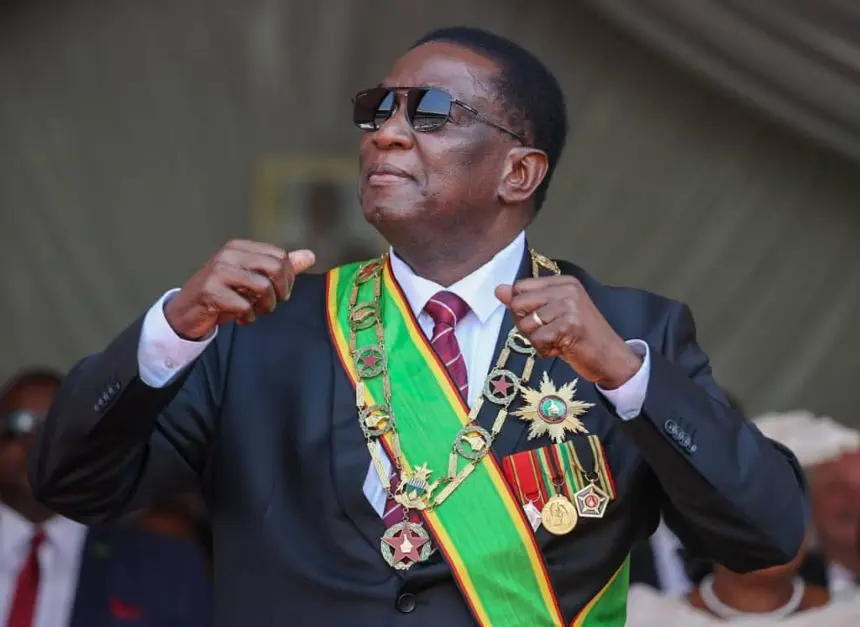
President Emmerson Mnangagwa’s bid to remain in power beyond his current mandate has reignited debate over constitutional term limits in Africa, placing Zimbabwe among a growing number of countries where leaders have sought to extend their stay in office through legal and constitutional changes.
The proposed reforms, backed by the ruling ZANU-PF party, could delay Zimbabwe’s next elections and keep Mnangagwa at the helm until 2030, two years beyond the end of his current term.
Supporters say the changes would provide policy continuity and allow the government to complete long-term development programmes, but critics argue they undermine democratic principles and reverse gains made after the end of Robert Mugabe’s rule.
The development has drawn inevitable comparisons with Mugabe, the liberation hero who ruled Zimbabwe for 37 years before being forced from office in November 2017.
Mugabe’s downfall came after a dramatic intervention by the military, which moved against him when he appeared to be positioning his wife, Grace Mugabe, to succeed him.
Tanks rolled into Harare, soldiers seized key installations and hundreds of thousands of Zimbabweans poured into the streets demanding change.
Facing impeachment and mounting pressure from his own party, Mugabe resigned, bringing to an end one of Africa’s longest and most controversial presidencies.
Mnangagwa, a former vice president and long-time ally of Mugabe, emerged as his successor after returning from a brief exile. He promised a new chapter for Zimbabwe, pledging economic reforms, greater political openness and re-engagement with the international community.
Nearly a decade later, opponents say the latest push to extend presidential rule threatens to recreate the very system Zimbabweans believed they had dismantled.
Zimbabwe’s debate mirrors a broader trend across Africa, where several leaders have altered constitutions, removed term limits or amended electoral laws to prolong their tenure.
In Cameroon, Paul Biya has remained in power since 1982, making him one of the world’s longest-serving heads of state. Equatorial Guinea’s Teodoro Obiang Nguema has ruled since 1979, while Uganda’s Yoweri Museveni has led the country since 1986 after constitutional amendments removed both term and age limits.
In the Republic of Congo, Denis Sassou Nguesso has spent more than four decades in power across separate periods, while leaders in countries such as Ivory Coast, Rwanda and Guinea have also relied on constitutional changes to seek additional mandates.
Political analysts say the pattern reflects a growing tension between democratic institutions and entrenched political establishments across the continent.
While many African countries adopted presidential term limits during democratic reforms in the 1990s, several governments have since weakened or removed those restrictions, often arguing that continuity is necessary to preserve stability and sustain economic development.
Critics contend that such changes concentrate power, weaken institutions and reduce opportunities for political renewal.
For Zimbabwe, the issue carries particular significance because Mnangagwa’s rise to power was rooted in public frustration over a leader who had remained in office for nearly four decades.
The country continues to grapple with economic challenges, high unemployment and currency instability, factors that have heightened scrutiny of the government’s plans.
Opposition parties, civil society groups and some former liberation war veterans have voiced concerns that extending presidential rule risks undermining constitutional safeguards designed to prevent the emergence of another life presidency.
As lawmakers consider reforms that could keep Mnangagwa in office into the next decade, many Zimbabweans are confronting a question that once seemed settled when Mugabe left power in 2017: whether the country is charting a new democratic path or returning to a political culture where leaders find ways to remain in office long after their original mandates expire.
news@businessdayafrica.org