Mexico’s GMO Maize Ban Fuels Debate on Africa’s Biotech Future
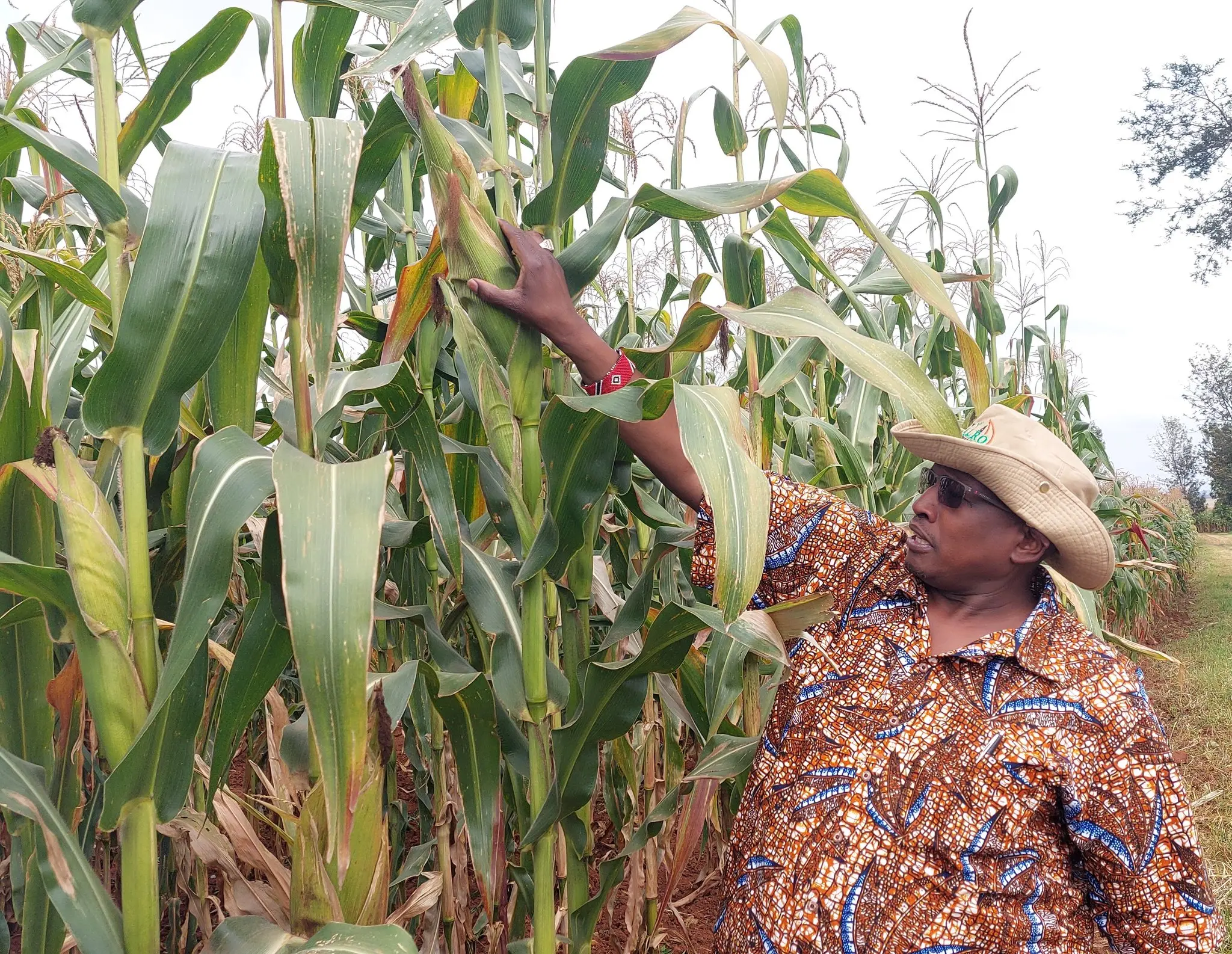
Mexico’s decision to ban the cultivation of genetically modified (GM) maize is expected to influence policy debates across Africa, where governments have long grappled with whether to embrace biotechnology to enhance food security.
African nations, facing climate change, erratic weather patterns, and outbreaks of pests and diseases, have increasingly considered GM crops as a solution to boost yields and ensure food sufficiency.
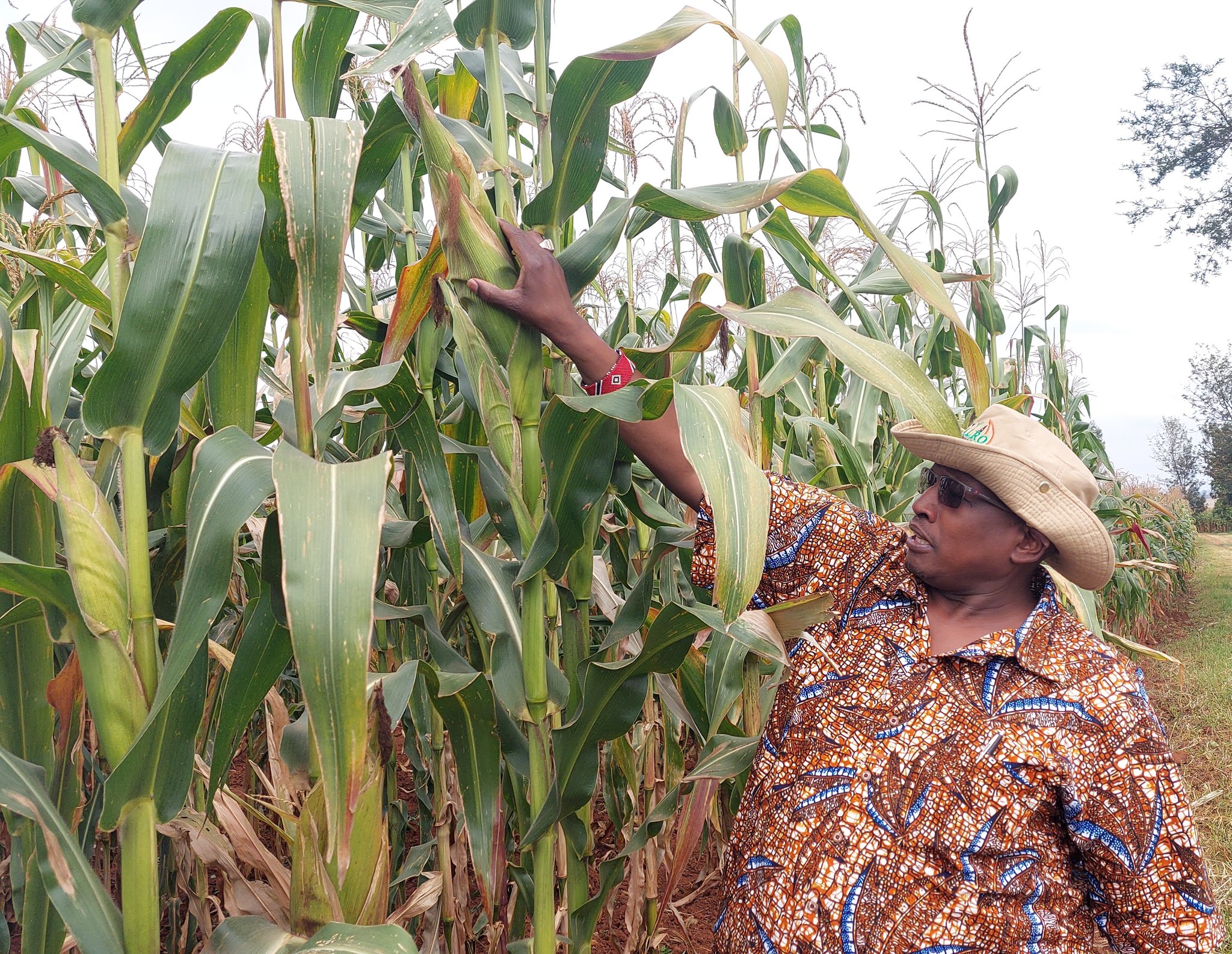
However, concerns over biodiversity, trade implications, and public opposition have slowed adoption in many countries.
Kenya, after years of push and pull between the government, activists, and courts, approved the cultivation of GM crops in 2022, reversing a decade-old ban.
The decision was driven by the need to counter food shortages and improve resilience to drought and pests, particularly in staple crops such as maize.
Other African countries, including South Africa, Nigeria, and Sudan, have moved forward with commercial GM crop cultivation, while others like Ghana, Malawi, Tanzania, and Uganda remain in various stages of trials.
The recent move by Mexico, one of the largest importers of genetically modified maize, underscores the ongoing global divide over the technology.
While proponents argue that GM crops offer a viable solution to food insecurity, critics warn of potential risks, including genetic contamination of indigenous varieties, long-term health effects, and dependency on multinational seed companies.
For Africa, Mexico’s ban raises fresh questions about the role of biotechnology in agriculture and whether regulatory frameworks should be adjusted.
Analysts argue that some governments may see the decision as validation of their cautious approach, while others could interpret it as a political rather than scientific stance.
With food security remaining a pressing issue, African policymakers are expected to weigh the benefits of GM adoption against the risks, balancing economic needs with environmental and health considerations.
As the debate continues, the continent’s approach to genetically modified crops will likely shape the future of its agricultural sector and its ability to feed a growing population.
gandae@businessdayafrica.org