Kenya's Tea Dollars to be Hit by Trump Tariff on Iran
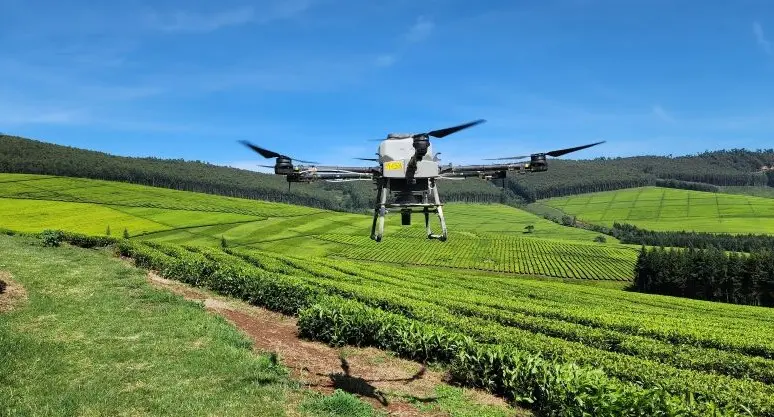
Kenya’s tea export sector, one of the country’s biggest foreign exchange earners, is facing renewed uncertainty after US President Donald Trump announced a 25 percent tariff on countries that do business with Iran, a move that could disrupt trade flows between Nairobi and Tehran.
Trump said the tariff would apply to imports into the United States from nations that maintain commercial ties with Iran, escalating pressure on Tehran while raising concerns among its trading partners across Africa, the Middle East and Asia.
Kenya exports large volumes of tea to Iran, making Tehran one of its key markets in the Middle East with Iran ranking among the top @0 top buyers.
Trade data shows that Iran imported 10 million kilogrammes of tea from Kenya in the year to October, underlining the importance of the market to Kenyan farmers and exporters.
Tea is Kenya’s leading agricultural export and supports millions of livelihoods directly and indirectly.
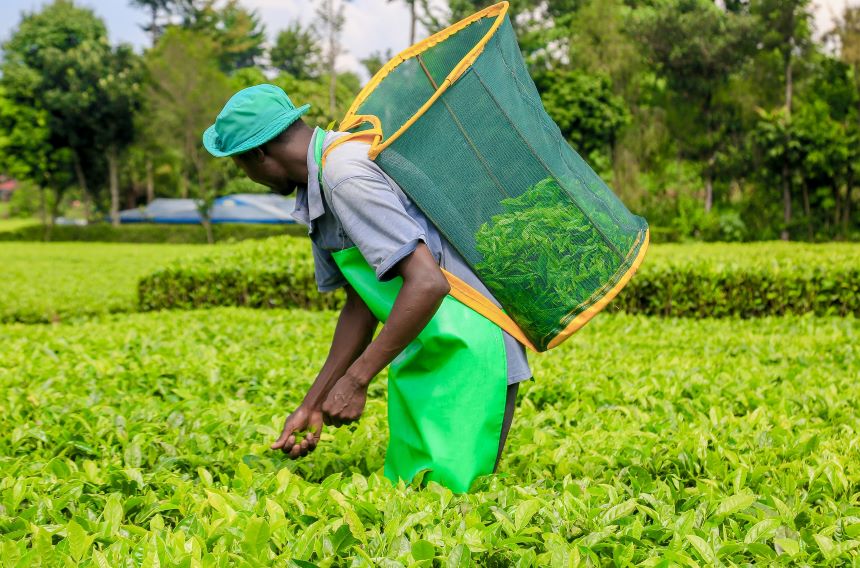
Industry players say the threat of US tariffs could force exporters to reconsider trade with Iran, potentially reducing demand for Kenyan tea and putting downward pressure on prices.
The tariff threat comes as Kenya and Iran have been working to deepen economic ties. Beyond tea, Iran exports farm machinery and related agricultural equipment to Kenya, which officials say supports mechanisation and productivity in the farming sector.
Recently, Kenya and Iran signed a memorandum of understanding aimed at expanding trade and investment following the visit of an Iranian delegation to Nairobi.
The agreement covered cooperation in agriculture, industry and technology, as both sides sought to boost bilateral trade.
Analysts say Trump’s announcement could complicate those efforts, forcing Kenya to balance its growing trade with Iran against the risk of higher tariffs on its exports to the United States.
The US move follows heightened tensions with Tehran and comes amid efforts by Washington to tighten economic pressure on Iran. However, details on how the tariff would be implemented and enforced remain unclear, adding to uncertainty for exporters.
For Kenya, the immediate concern is the potential fallout on its tea sector, which has already been grappling with volatile prices and shifting demand in traditional markets.
Officials are expected to assess the impact of the tariff threat on trade with Iran and explore ways to shield key export sectors from any knock-on effects.
gandae@businessdayafrica.org