Kenya Ignites a New Era of Youth-Driven Diplomacy
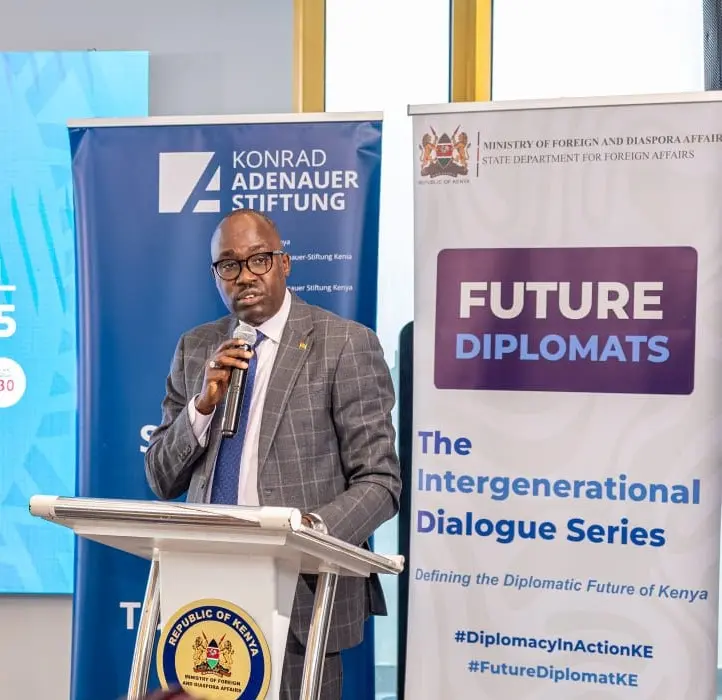
Kenya is betting on a new generation of global-minded diplomats, Foreign Affairs Principal Secretary Korir Sing’oei says, insisting that the youth can no longer be an afterthought in the country’s foreign policy.
The PS outlined emerging government programmes designed to equip young Kenyans with practical skills, global exposure and strategic entry points into international engagement.
He divulged the Ministry is negotiating a structured exchange programme with European partners, particularly France, to facilitate professional immersion for young diplomats, finance specialists and tech professionals.
Under the proposed model, participants from both countries would spend several months embedded in public and private institutions.
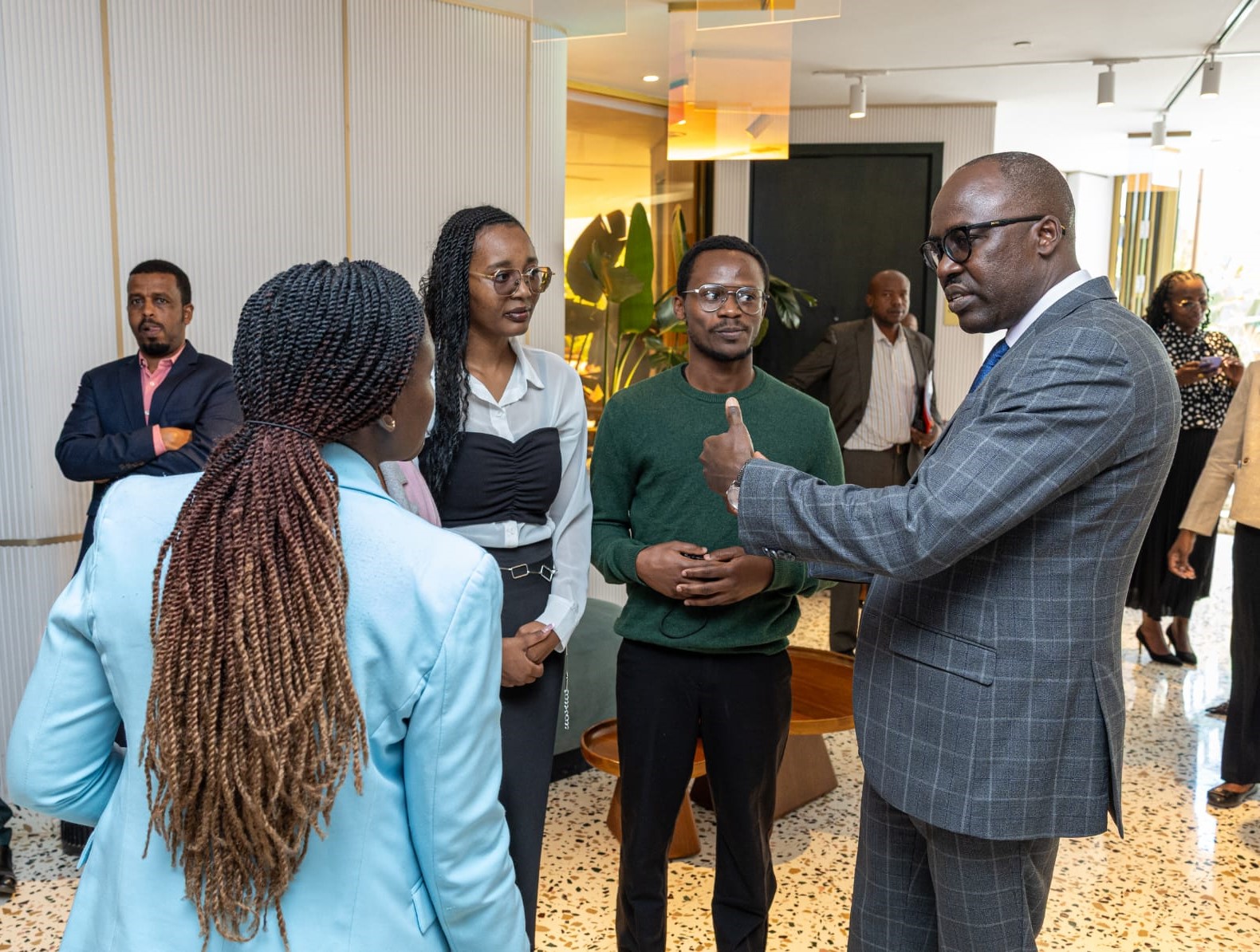
“This is about giving Kenyan youth the tools to navigate global systems, as exposure matters just as networks do. And we want our young people to gain both,” said Dr. Sing’oei during an intergenerational dialogue co-hosted with Konrad Adenauer Stiftung in Nairobi.
The event, held as part of Youth Month, convened young leaders, diplomats and policymakers who discussed how Kenya’s foreign policy and development trajectory beyond 2030 must incorporate youth agency, digital diplomacy and trust-building.
The initiative reflects a broader shift in Kenya’s foreign policy vision—intentional investment in cultivating youthful, globally minded professionals who can influence the country’s standing in multilateral spaces.
Dr. Sing’oei also revealed that he has submitted proposals to Prime Cabinet Secretary Musalia Mudavadi for the establishment of a Youth Foreign Policy Advisory Council.
The council would scrutinize bilateral and multilateral agreements through a youth lens, evaluate how national commitments reflect the interests of young people, and offer informed guidance on next steps.

“This is about accountability and co-ownership, as we need mechanisms that ensure young voices inform our global engagements, not as a courtesy, but as a strategic imperative,” he said.
The council would also produce annual reports to guide interdepartmental dialogues and monitor progress in youth-centered diplomacy.
To show why early investment in diplomatic talent matters, the PS highlighted rising young Africans like Dr. Berat Chetunga, 36, now a special finance manager at the Asian Infrastructure Investment Bank, a role Dr. Sing’oei says was made possible by Kenya’s strategic engagement in global financial systems.
He also cited the decision by Ted Motors, founded by an Ethiopian-Dutch entrepreneur, to establish an EV manufacturing plant in Naivasha’s Special Economic Zone. Expected to produce 1,000 electric vehicles next year, the venture is set to create jobs for Kenyan engineers and technicians.
The investor, originally skeptical about Kenya due to negative stereotypes, was convinced after engagement with Kenya’s ambassador in the Netherlands, illustrating how diplomacy can unlock tangible economic opportunities for the youth.
Youth participants at the dialogue, however, challenged the government to move beyond frequent consultations and toward shared decision-making.
“We cannot keep consulting without outcomes, when do we move from consultation to co-governance? How do we ensure that young people meaningfully shape conversations about our demographic dividend, locally and globally,” posed communications consultant Judy Mbugua.
The phrase “nothing for us without us” echoed through the hall as young leaders demanded clearer pathways into foreign-policy influence, employment and skills development.
While acknowledging government efforts, they pressed for faster and more decisive implementation.
Dr. Sing’oei reiterated the government’s commitment to digital transformation through the national digital superhighway, noting that digital diplomacy must be led by young people who already dominate online engagement spaces.
“Digital diplomacy is not the future; it is now,” he said. “And our young people are already fluent in this terrain. We must invest in them intentionally,” he said.
He explained that, “the challenge before us is to turn lofty ideals into practical outcomes. That work begins with how intentionally we choose to invest in the next generation of diplomatic actors.”
ligadwah@businessdayafrica.org