Kenya Arabica Coffee Prices Dip 3.7pc in line with Global Market Easing
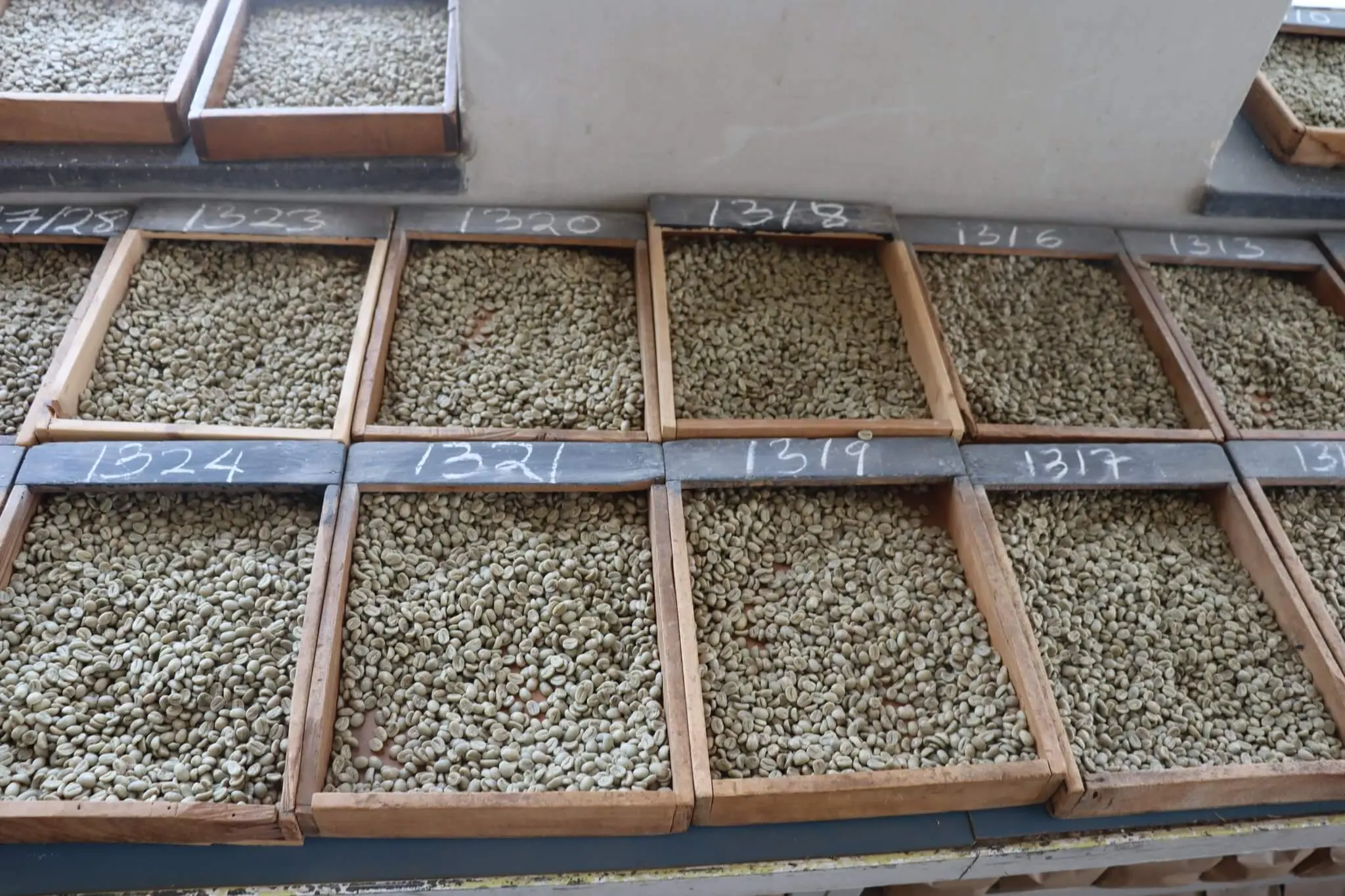
Kenya’s Arabica coffee prices slipped 3.7 percent this week, tracking a downturn in international markets as investors trimmed positions following weakness in the Brazilian real.
The average price of a 50-kg bag at the Nairobi Coffee Exchange fell to $389 from $404 in the previous sale, in line with a broader easing in global benchmarks.
On Tuesday, December Arabica futures on the Intercontinental Exchange fell 0.34 percent to $4.04 per pound, while January Robusta contracts edged 0.26 percent lower.
The Brazilian real weakened to a one-and-a-half-week low against the dollar, prompting coffee growers in the world’s top producer to accelerate export sales and weigh on prices.
Earlier in the week, coffee futures had rallied to their highest in nearly two weeks amid worries that adverse weather conditions in key producing regions could disrupt supply.
Brazil’s main Arabica-growing area, Minas Gerais, recorded only 75 percent of its usual rainfall in the week to October 31, continuing a dry spell that has raised concerns over bean quality and yields.
At the same time, forecasters warned that Typhoon Kalmaegi could hit southern Vietnam, the world’s largest Robusta supplier, threatening to damage plantations and tighten supplies further.
Despite the latest dip, Kenyan coffee has performed strongly since the beginning of the current crop year in October, supported by elevated global prices and a good harvest that is gradually entering the market.
Traders say improved farm-level quality and consistent supplies have boosted demand at the Nairobi Coffee Exchange, where major buyers from Europe and the United States source premium beans.
Kenya exports over 95 percent of its coffee, mainly to the European Union, the United States and Asian markets, making global price swings a key determinant of local earnings.
Analysts say that while the market may remain volatile in the short term, sustained demand for specialty and high-grade Arabica beans is likely to keep Kenyan coffee competitive internationally.
The Nairobi Coffee Exchange is expected to hold its next auction early next week, with traders closely watching developments in Brazil’s weather patterns and global currency movements.
gandae@businessdayafrica.org