How Safe, Nutritious Vegetables Are Changing Lives in Kiambu and Beyond
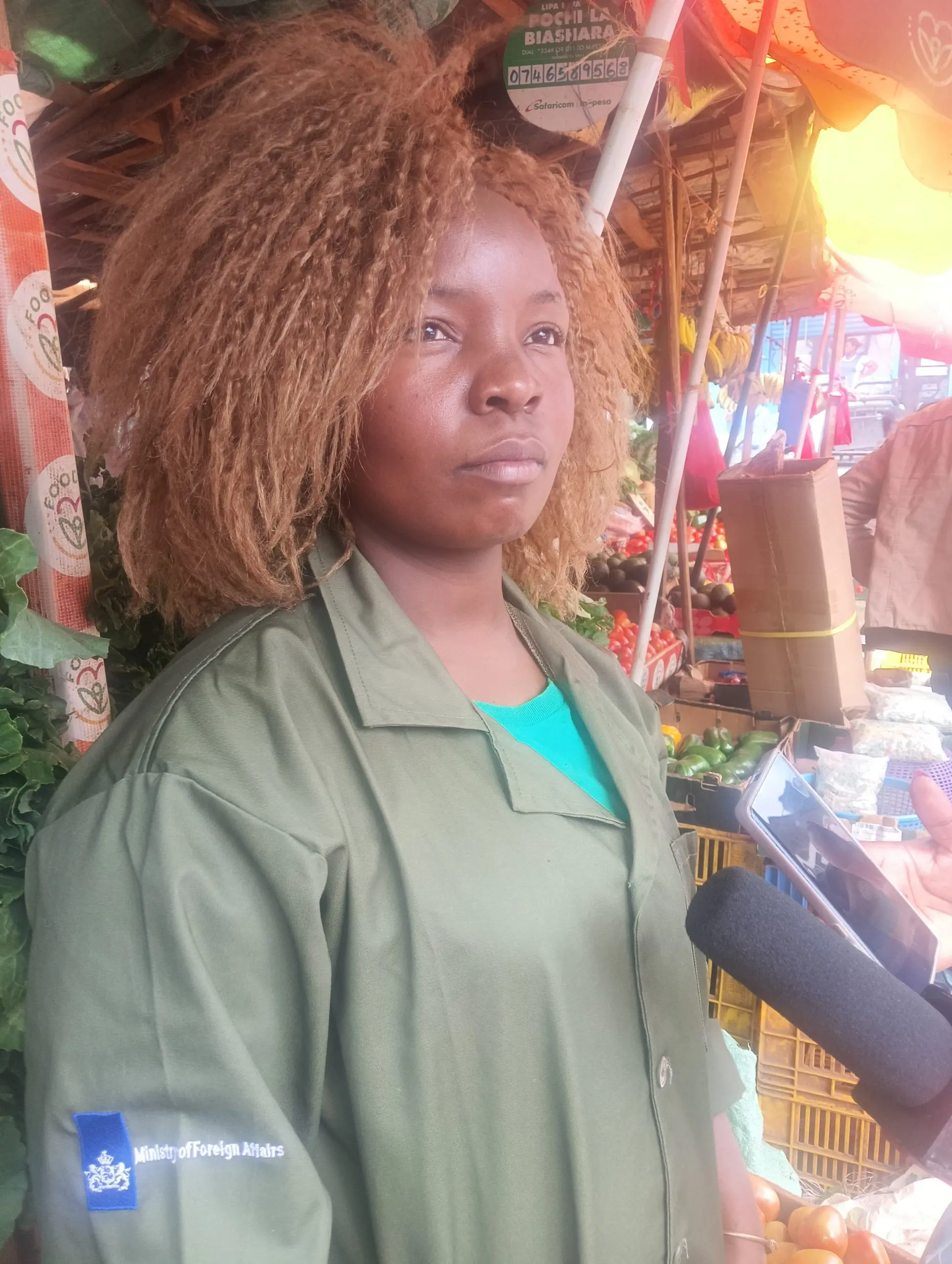
Every morning in Ruaka, Kiambu County, Margaret Nyambura opens her vegetable stall with a purpose deeper than just making sales.
For her, each bunch of managu or terere she arranges on her waist-high platform is a step toward nourishing families, curbing disease, and promoting food safety in a county long challenged by nutrition gaps and food-borne illnesses.
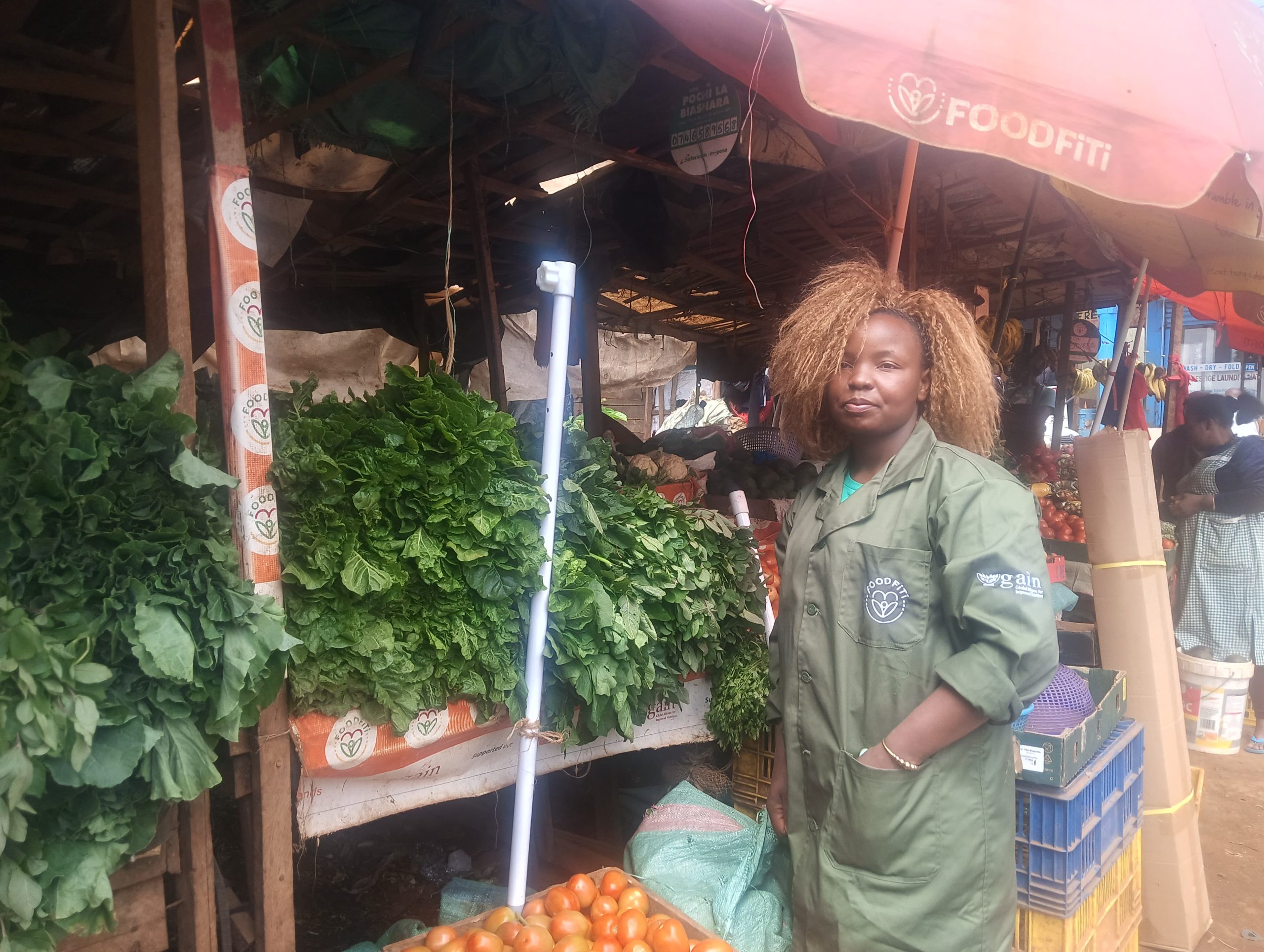
“I’ve been trained on hygiene, how to clean the vegetables, how to arrange my stall, and how to dispose of waste properly,” says the mother and trader. “Customers have never complained of stomach upsets and that gives me pride and joy, since it shows I am doing something right.”
She is one of over 2,300 mama mbogas transforming the way vegetables are handled and consumed through the Vegetables for All project, an initiative spearheaded by the Global Alliance for Improved Nutrition (GAIN) under its Food Fiti brand.
The project aims to improve food safety and nutrition “from the farm to the fork,” while tackling Kenya’s triple burden of malnutrition that includes undernutrition, micronutrient deficiencies, and rising cases of overweight and obesity, especially in urban and peri-urban areas.s of overweight and obesity.
“Mama mbogas like Margaret are on the frontline of food safety,” says Victor Kariuki, a Public Health Officer in Kiambaa sub-county in Kiambu County.
The country has over the recent past had cases of cholera and other food-related diseases due to poor sanitation, highlighting the importance of training last mile food handlers.
Food-borne illnesses such as diarrhea, typhoid, and dysentery are a daily threat, particularly in informal markets where sanitation has often been overlooked.
Until recently, vegetable stalls were rarely subject to stringent health checks, and waste disposal was inconsistent at best.
To close these gaps, Kiambu County partnered with GAIN to train traders on hygiene, personal safety, and nutritional awareness, working closely with public health and nutrition officers.
Markets are cleaned, waste bins were placed, and traders like Margaret equipped with branded canvas covers, cleaning kits, raised stall designs, and even recipe books promoting the use of traditional vegetables.
“Aside from hygiene lessons for my stalls, I now feed my own family better with a variety of traditional vegetables such as mrenda, kanzera, pumpkin leaves and not just cabbage and sukuma wiki like before,” Margaret beams.
While mama mbogas ensure hygiene at the last mile, the work begins much earlier—on farms like that of Leah Oranga in the interiors of Kiambaa.
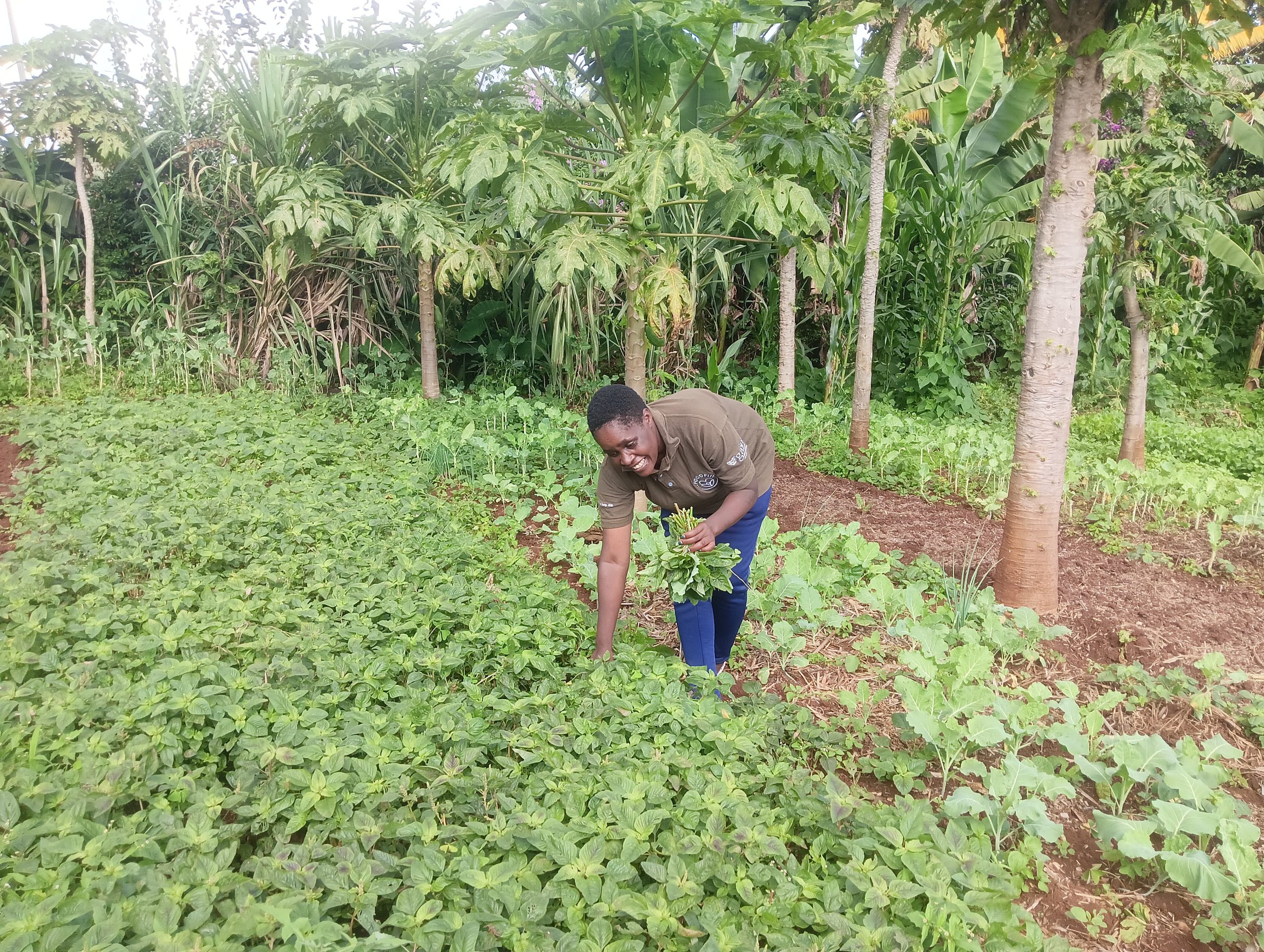
A firm believer in regenerative agriculture, Leah grows kunde, terere, managu, and spinach using compost and bioslurry.
“I test my soil before every planting season, use clean water to irrigate and natural repellents such as garlic and pepper to protect crops. With Food Fiti, I have learned to grow vegetables that are safe for everyone—including my own children,” she says.
Leah also times her planting cycles to match periods of vegetable scarcity, like June and November, ensuring a steady supply during peak demand months like August and January.
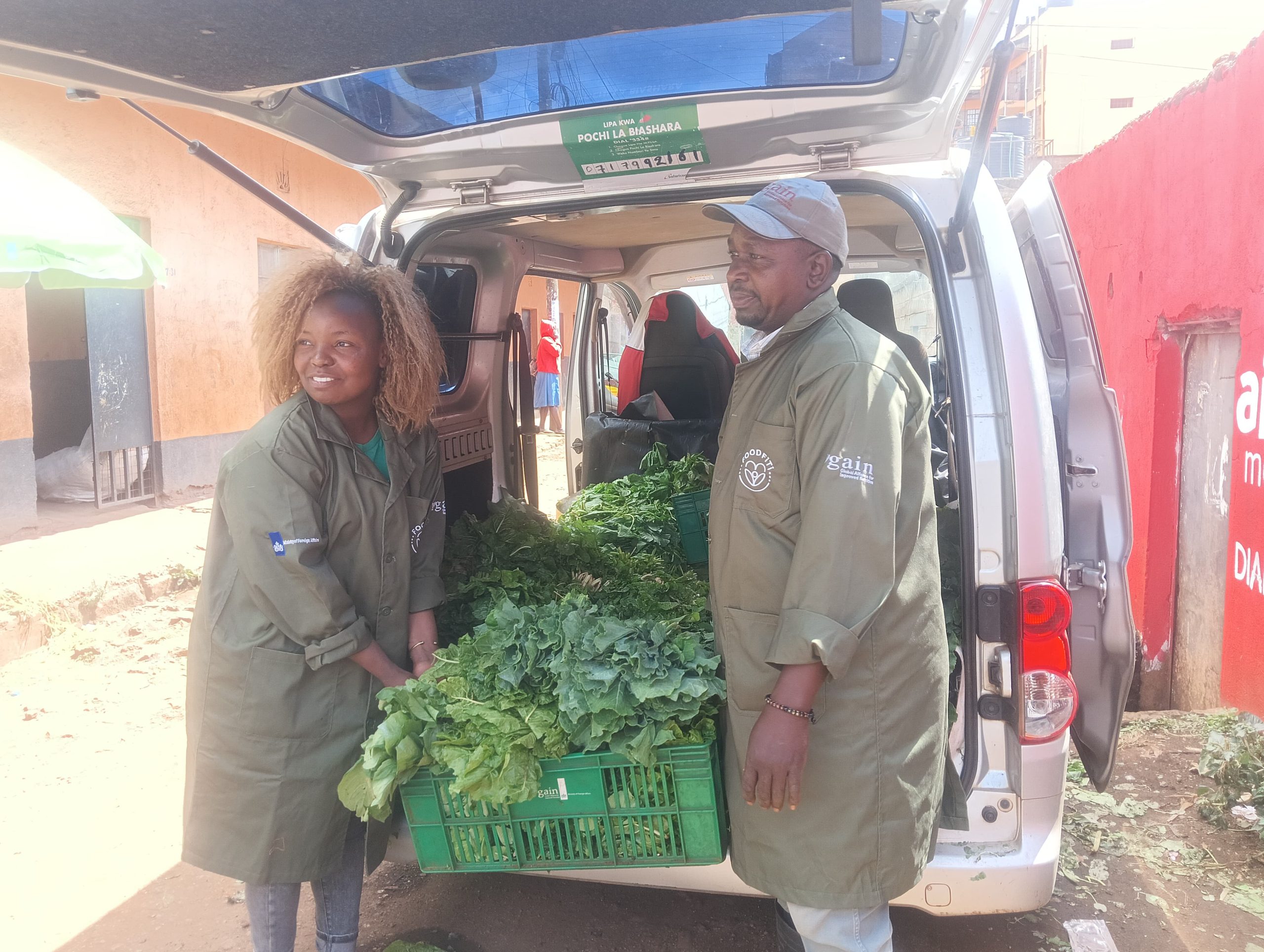
Once harvested, the vegetables are collected by wholesalers like Antony Wanyoike Kuria, who operates from Ruaka and Githunguri.
With nearly 60 mama mbogas depending on him daily, Antony insists on working with farmers he trusts.
“I visit their farms to confirm they use organic methods. Further, GAIN has trained us on proper handling—using crates, cleaning produce, pellets for placing produce and shielding them from direct sun using umbrellas,” he shares.
To ensure the vegetables are safe even before they reach the market, GAIN has partnered with Crop Nuts and the Kenya Plant Health Inspectorate Service (KEPHIS) to conduct Maximum Residue Level (MRL) tests. These tests check for chemical residue in vegetables and allow for quick intervention when limits are exceeded.
“This is science in action as this data from MRL testing helps us prevent unsafe food from reaching consumers,” explains Adam Mutai, Project Coordinator at GAIN.
This aligns with this year’s World Food Safety Day theme: Science in Action—which draws attention to the use of scientific knowledge as key to reducing illness, cutting costs and saving lives.
Beyond food handling, the project also invests in the business skills of mama mbogas, with support from county officers like Stella Mugo, who trains traders on customer service, digital marketing, and record-keeping.
“We want mama mbogas to think of their stalls not just as a place to sell but as a brand of trust and wellness,” Stella says.
ligadwah@businessdayafrica.org