Eritrea Exit from IGAD Tests Regional Bloc as Ethiopia Tensions Resurface
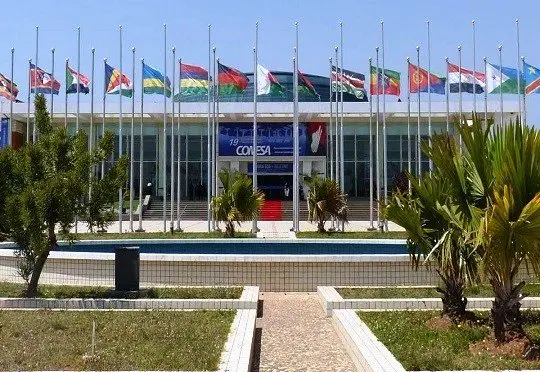
Eritrea’s decision to withdraw from the Intergovernmental Authority on Development (IGAD) has raised fresh questions about the cohesion and influence of the East African regional bloc, diplomats said, as long-simmering tensions between Asmara and Addis Ababa again dominate politics in the Horn of Africa.
IGAD said it regretted Eritrea’s move and warned that the withdrawal risked weakening collective efforts on peace, security and economic integration in a region already strained by conflict and humanitarian crises.
The bloc said it would keep diplomatic channels open and urged dialogue to prevent further escalation.
Eritrea announced its exit this week, accusing IGAD of failing to act impartially and arguing that the organisation no longer served its strategic interests.
The decision follows months of frictions between Eritrea and Ethiopia, undoing much of the goodwill generated by their 2018 peace deal.
The withdrawal highlights the limits of IGAD’s ability to manage disputes among its own members.
The bloc, which brings together countries from the Horn of Africa and eastern Africa, has been central to mediation efforts in Somalia, Sudan and South Sudan, but has struggled to assert authority when divisions open within its ranks.
Relations between Eritrea and Ethiopia have long been the most destabilising fault line in the region.
The neighbours fought a full-scale border war from 1998 to 2000 over their frontier, particularly the town of Badme, leaving tens of thousands dead and relations frozen for nearly two decades despite a formal peace agreement.
That stalemate ended in 2018 when Ethiopian Prime Minister Abiy Ahmed moved to normalise ties, reopening borders and restoring diplomatic relations in a rapprochement that won him international praise.
Eritrea later rejoined IGAD, raising hopes that it would play a more active role in regional diplomacy.
Those hopes have since faded. Tensions have resurfaced over security concerns, regional influence and Ethiopia’s push to secure greater access to the Red Sea, which Eritrea views as a threat to its sovereignty.
Mutual accusations and growing mistrust have fuelled fears of renewed confrontation.
IGAD officials say Eritrea’s participation in the bloc had already been limited, but its formal withdrawal now sets a troubling precedent at a time when regional cooperation is critical.
Analysts say the move risks encouraging other members to pursue unilateral approaches to security and diplomacy, undermining collective responses to crises.
Diplomats say the bloc’s next test will be whether it can contain the fallout from the Eritrea-Ethiopia rift and prevent it from further eroding regional stability.
gandae@businessdayafrica.org