Drought Pushes Africa’s Wildlife Closer to Collapse, UN Warns
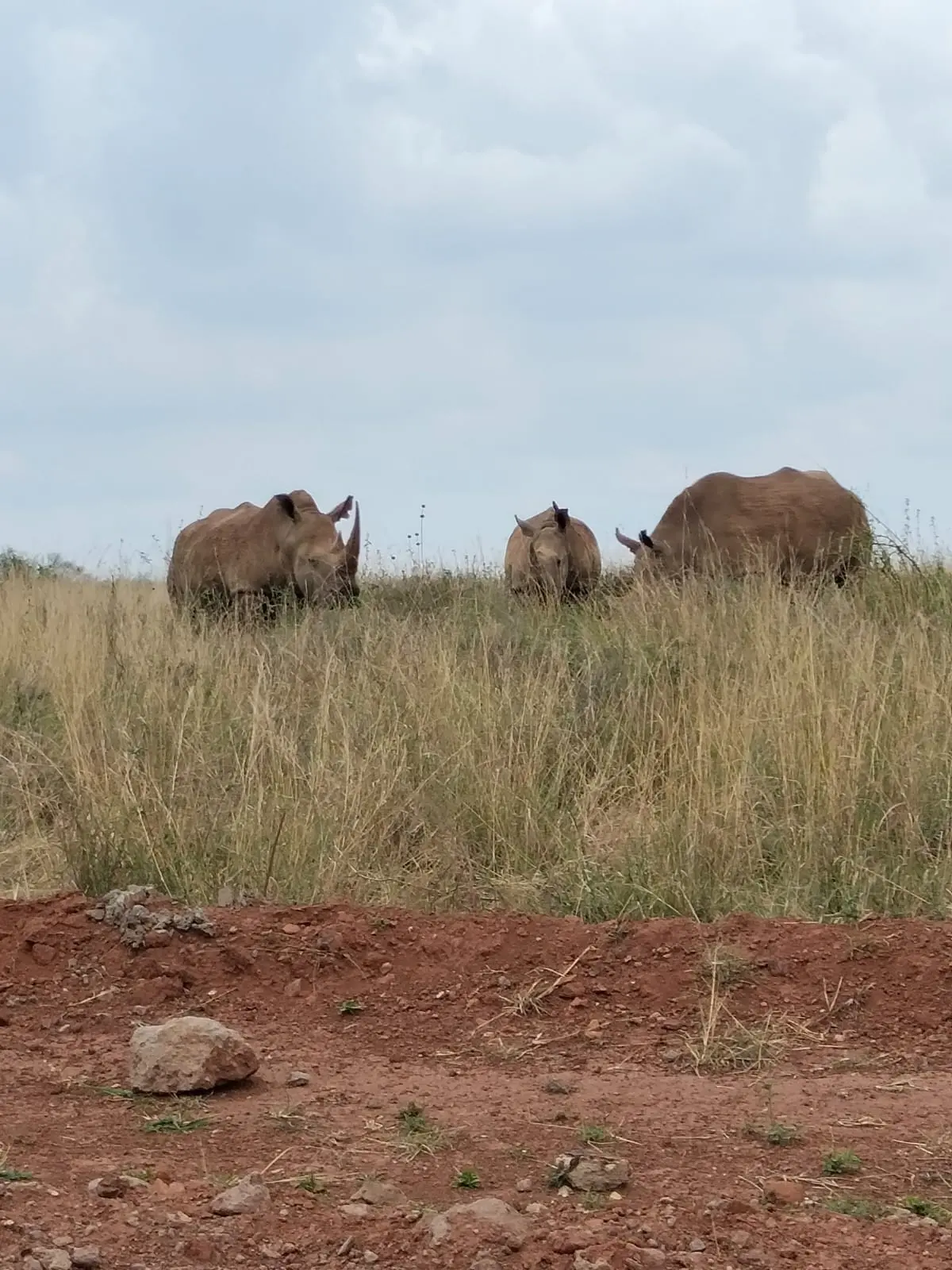
Droughts, worsened by global warming and human actions, are pushing Africa’s wildlife closer to collapse, with elephants starving, lions speared, and entire ecosystems buckling under climate stress, a new UN-backed report warns.
The “Drought Hotspots Around the World 2023–2025” report, released this month by the UN Convention to Combat Desertification and the US National Drought Mitigation Center, documents mass wildlife deaths across Africa and the Amazon over the past two years as prolonged droughts intensify.
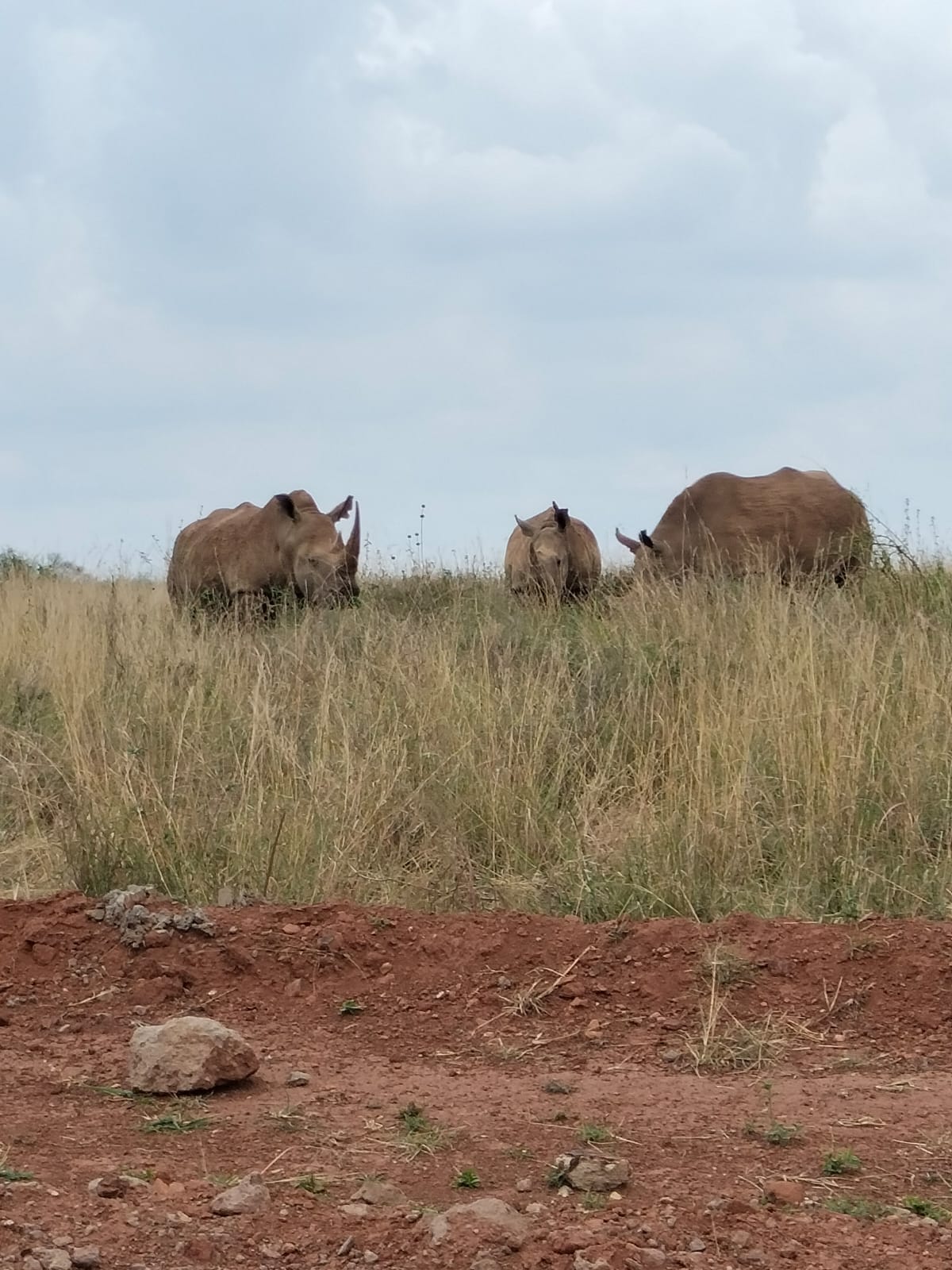
The resurgence of El Niño in 2023 triggered a spike in global temperatures, fuelling extreme droughts that have battered southern and eastern Africa.
In Zimbabwe’s Hwange National Park, at least 100 elephants died in late 2023 as waterholes dried to mud, while Namibia moved to cull more than 600 animals, including zebra and buffalo, as drought conditions worsened.
In Kenya’s Kajiado County, six lions were killed by Maasai herders in June 2023 after the predators attacked livestock, underscoring the rising human-wildlife conflict as animals venture into settlements in search of water and food.
“Droughts have always occurred, but we’ve now fenced off the migration corridors animals need to survive,” said Dr Henno Havenga of North-West University’s Unit for Environmental Sciences and Management. “When animals can no longer migrate, they come into contact with humans, and it rarely ends well for the animals.”
The report warns that while some wildlife deaths occur directly from thirst and starvation, many result from lethal encounters with humans as fragile conservation systems strain under climate pressure.
Zimbabwe has authorised the culling of 200 elephants, citing an elephant population more than three times the sustainable capacity, while Namibia’s planned culls are intended to ease pressure on dwindling water and food resources and provide meat for vulnerable communities.
The UN-backed study concludes that without urgent reforms to restore migratory corridors and adapt conservation policies, Africa’s wildlife will face repeated cycles of mass deaths as climate shocks deepen across the continent.
gandae@businessdayafrica.org