Djibouti’s Guelleh Joins Ageing African Leaders Extending Rule Beyond Term Limits
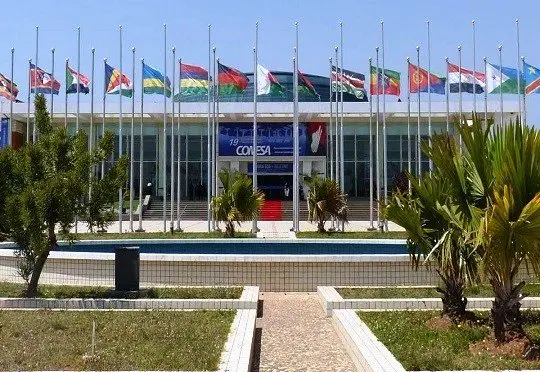
Djibouti President Ismaïl Omar Guelleh has joined a growing list of ageing African leaders seeking to extend their stay in power after parliament scrapped the constitutional age limit for presidential candidates, clearing the path for the 77-year-old to run again.
The amendment removed a 75-year age cap that would have barred Guelleh, who has ruled since 1999, from standing for another term when his mandate ends in 2026.
Lawmakers loyal to the ruling coalition said the change aimed to “modernise” the constitution, but critics viewed it as a move to perpetuate his rule in a strategically located Horn of Africa nation that hosts major US and Chinese military bases.
Guelleh’s move mirrors a wider trend across Africa where veteran leaders have altered constitutions or interpreted them in their favour to remain in power.
The continent has seen a wave of constitutional revisions over the past two decades that have eroded term limits and extended presidential tenure in the name of “stability” or “continuity.”
Cameroon’s 92-year-old Paul Biya, in power since 1982, is the world’s oldest serving president and continues to govern amid growing opposition calls for transition.
In Equatorial Guinea, Teodoro Obiang Nguema Mbasogo, who seized power in 1979, has maintained his rule through successive elections.
Uganda’s Yoweri Museveni scrapped an age cap in 2017, allowing him to contest again after nearly four decades in power.
Rwanda’s Paul Kagame amended the constitution in 2015, opening the way to potentially stay until 2034, while Congo Republic’s Denis Sassou Nguesso lifted term limits in 2015 and remains in office.
Ivory Coast’s Alassane Ouattara controversially secured another term in 2025 after arguing that a revised constitution reset his term count.
In Eritrea, Isaias Afwerki has ruled without an election since independence in 1993.
Political analysts say the growing number of elderly leaders extending their mandates points to Africa’s slow democratic consolidation, where institutions often bend to the will of incumbents.
The changes have raised concerns among citizens and regional blocs that prolonged rule could deepen political unrest, deter investment, and weaken governance in countries already grappling with economic and security challenges.
gandae@businessdayafrica.org