Allies Decline Trump Call To Send Warships To Strait Of Hormuz
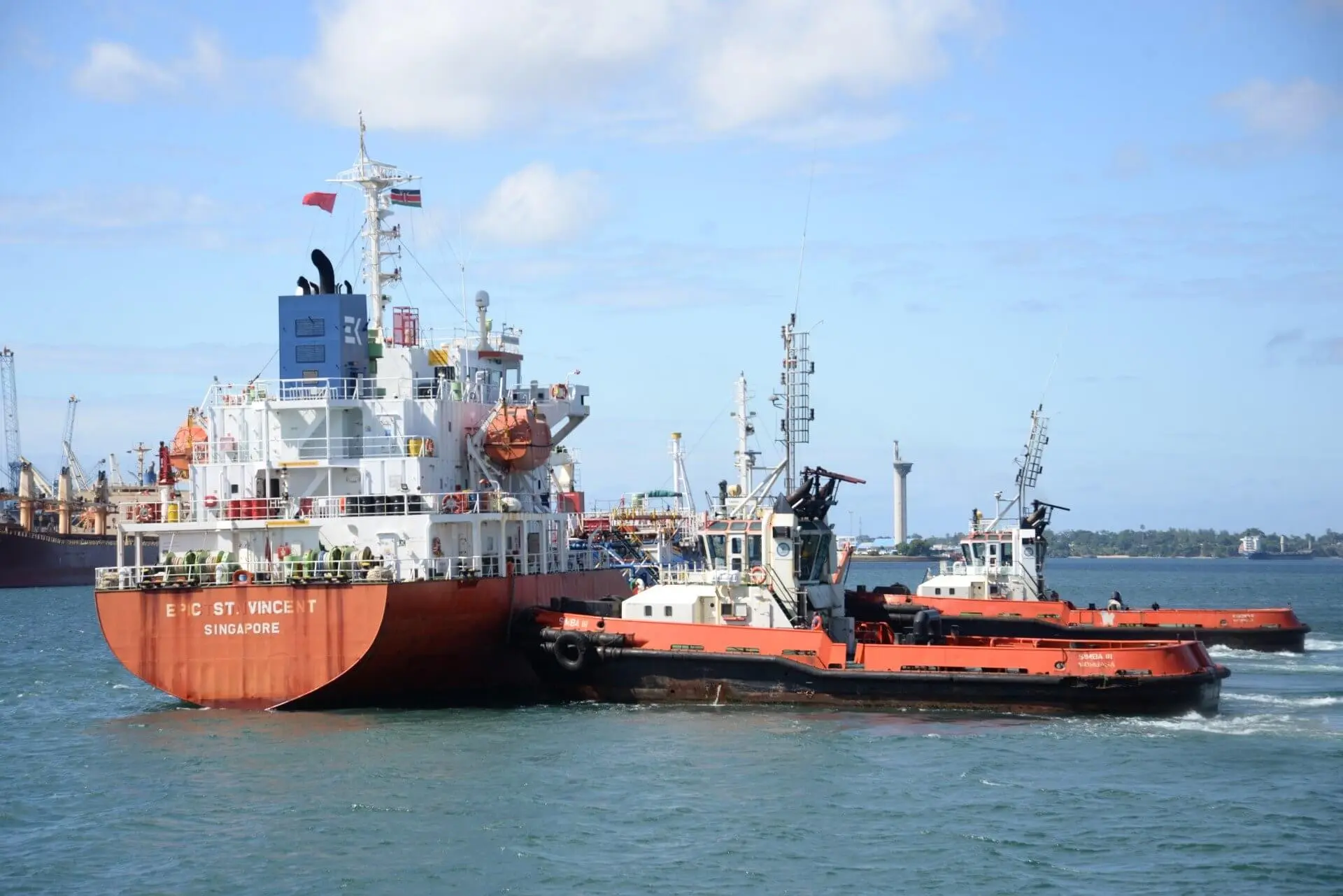
Countries around the world have rejected a call by US President Donald Trump to deploy warships to the Strait of Hormuz, saying they do not want to be drawn into a war they did not start even as oil prices surge and global shipping through the key corridor faces disruption.
Several US allies including Germany, France, the United Kingdom, Australia and Japan have either ruled out sending naval forces or signalled reluctance to join a US-led maritime coalition aimed at reopening the strategic waterway.
German officials said Berlin would not participate in a military mission that could widen the conflict with Iran, while France and Britain indicated they preferred diplomatic efforts to reduce tensions in the Gulf rather than escalating the conflict through naval deployments.
Australia also said it had no plans to send warships to the region, and Japan signalled caution, noting that any decision to deploy forces would require careful consideration given the risk of further destabilising the Middle East.
South Korea said it was reviewing the US request but had not committed forces, while China has called for restraint and a diplomatic resolution to the crisis.
Trump had urged several countries that depend heavily on Middle Eastern oil to contribute naval assets to secure the Strait of Hormuz, arguing that protecting global energy supplies should not fall solely on the United States.
The lukewarm response highlights growing unease among Washington’s partners about becoming entangled in a conflict that erupted after US and Israeli strikes on Iranian targets triggered retaliatory attacks by Tehran.
Iran has since threatened to block shipping through the Strait of Hormuz and has warned tankers linked to the United States and its allies to stay away from the area, raising fears of prolonged disruption to global oil supplies.
The Strait of Hormuz, located between Iran and Oman, is one of the world’s most important energy chokepoints.
About a fifth of the world’s oil supply passes through the narrow waterway each day, linking crude producers in the Gulf with markets in Asia, Europe and North America.
Any disruption to shipping through the strait has an immediate impact on global energy markets.
Oil prices have risen sharply since the conflict escalated, fuelling fears of renewed inflation and economic pressure on fuel-importing regions such as Africa and parts of Asia with a barrel selling for over $100.
Washington now faces the prospect of securing the waterway largely on its own, raising questions about whether the United States can quickly restore normal tanker traffic through one of the world’s most critical maritime corridors.
gandae@businessdayafrica.org