Africa’s BRICS Members Face U.S. Tariff Hit as Trump Targets Bloc’s Anti-American Shift
African countries aligned with the BRICS bloc, notably Egypt and Ethiopia, are set to be among the hardest hit after US President Donald Trump announced a sweeping 10 percent levy on all goods imported from BRICS nations.
The move is seen as a direct response to what Trump described as the bloc’s “anti-American policies,” including a growing push to reduce reliance on the US dollar in international trade.
The announcement comes amid rising tensions between the United States and BRICS, a grouping of emerging economies that now includes Brazil, Russia, India, China, South Africa, Egypt, and Ethiopia.
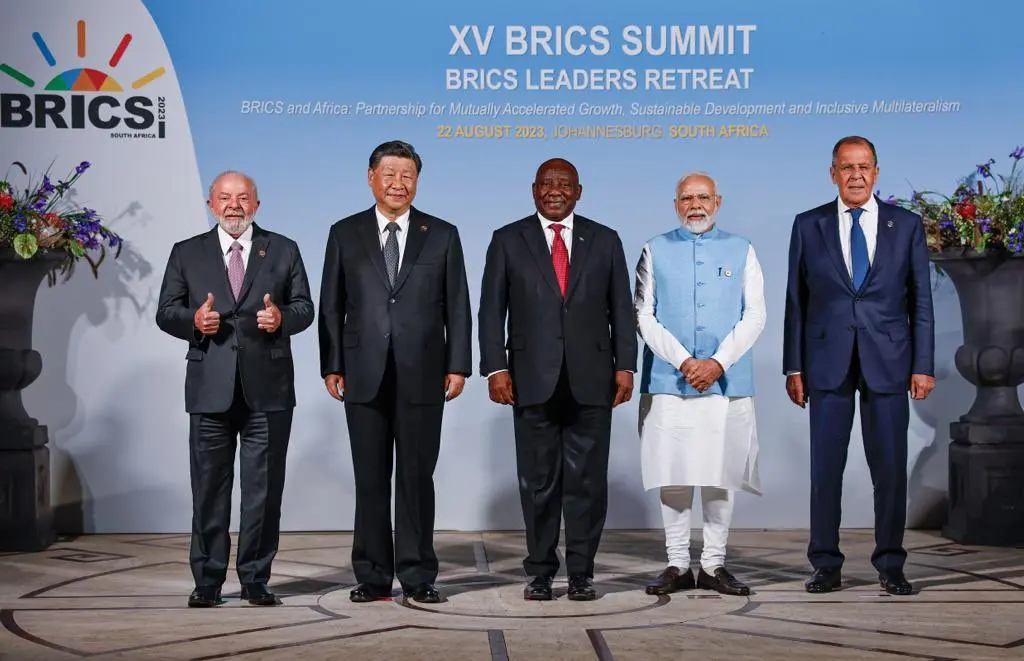
At their recent summit, BRICS leaders reaffirmed their commitment to shifting away from the US dollar in favor of local currencies and alternative payment systems.
Trump’s tariff threat marks a major escalation in economic retaliation and is likely to have broad consequences for African exporters, particularly in Egypt and Ethiopia, which joined the bloc last year.
Both countries have increased trade with BRICS partners and have supported efforts to settle cross-border transactions using local currencies.
Analysts say the 10 percent duty could disrupt export flows from Africa to the US, raise costs for American importers, and complicate economic planning for governments already grappling with inflation and currency pressures.
The move may also deter other African nations considering closer alignment with the BRICS platform.
The BRICS bloc has long sought to reduce the dominance of the US dollar in global finance.
Proposals have included settling trade in national currencies, developing alternative payment systems, and, more recently, exploring the feasibility of a common currency.
While such initiatives are still in early stages, Washington has viewed them with growing concern.
In response to the US action, BRICS officials have downplayed the accusation of anti-American bias, insisting their economic realignment is aimed at fostering multipolar trade rather than confrontation.
Nonetheless, with tariffs looming, the diplomatic and economic fallout between Washington and the BRICS-aligned African nations appears poised to intensify.
ligadwah@businessdayafrica.org