Africa on Edge as US-Iran Ceasefire Hopes Fade, Fuel and Food Costs Seen Rising
Hopes for a peaceful resolution between the United States and Iran faded on Monday after the two sides failed to reach a deal in their latest push for a ceasefire, raising fears of prolonged disruption to global oil and food supplies that could hit African economies hard.
US President Donald Trump signalled a return to military action, saying in a social media post that bombing would resume following the collapse of talks, underscoring a hardening stance that has dimmed prospects for diplomacy.
The breakdown comes weeks after a temporary ceasefire had allowed limited reopening of the Strait of Hormuz, a vital shipping lane for global energy and food supplies, briefly easing pressure on markets.
That reprieve now appears short-lived.
Washington has since moved to enforce a naval blockade in the strait, targeting vessels linked to Iran, while Tehran has accused the United States of undermining negotiations and warned it could withdraw from further talks.
Iranian officials said US actions, including the interception of vessels in the waterway, violated the spirit of the ceasefire and complicated efforts to reach a broader agreement.
The United States has defended the measures as necessary to curb what it describes as illicit activity, while maintaining that a deal remains possible even as military pressure intensifies.
The Strait of Hormuz, through which roughly a fifth of global oil supply passes, has been at the centre of the standoff.
The channel has alternated between partial reopening and renewed restrictions since fighting escalated earlier this year, creating uncertainty for global shipping.
The latest escalation is already pushing up oil prices, with traders pricing in the risk of tighter supply as vessels face delays, higher insurance costs or rerouting.
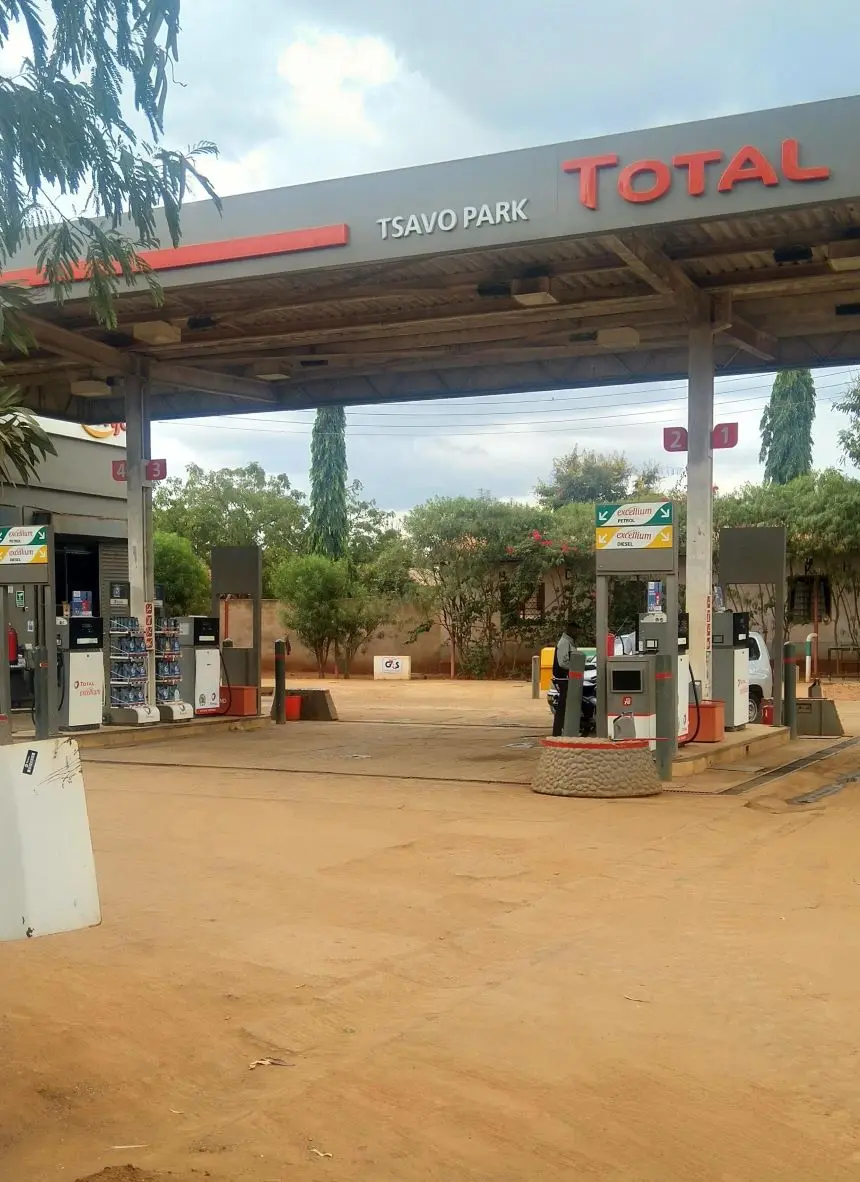
For African countries, which rely heavily on imports of fuel, fertiliser and food, the impact is expected to be significant.
Rising fuel costs are likely to feed into transport and electricity prices, while disruptions to grain and fertiliser shipments could worsen food inflation across the continent.
Economists warn that the renewed tension could strain already fragile economies, many of which are grappling with weak currencies and high debt, leaving governments with limited room to cushion consumers.
With no clear path to reviving talks, the standoff between Washington and Tehran is set to keep global markets on edge, prolonging uncertainty for countries far beyond the Gulf.
gandae@businessdayafrica.org