US Coffee Tariff Scrapping Offers Boost for Africa, Price Drop Tempers Gains
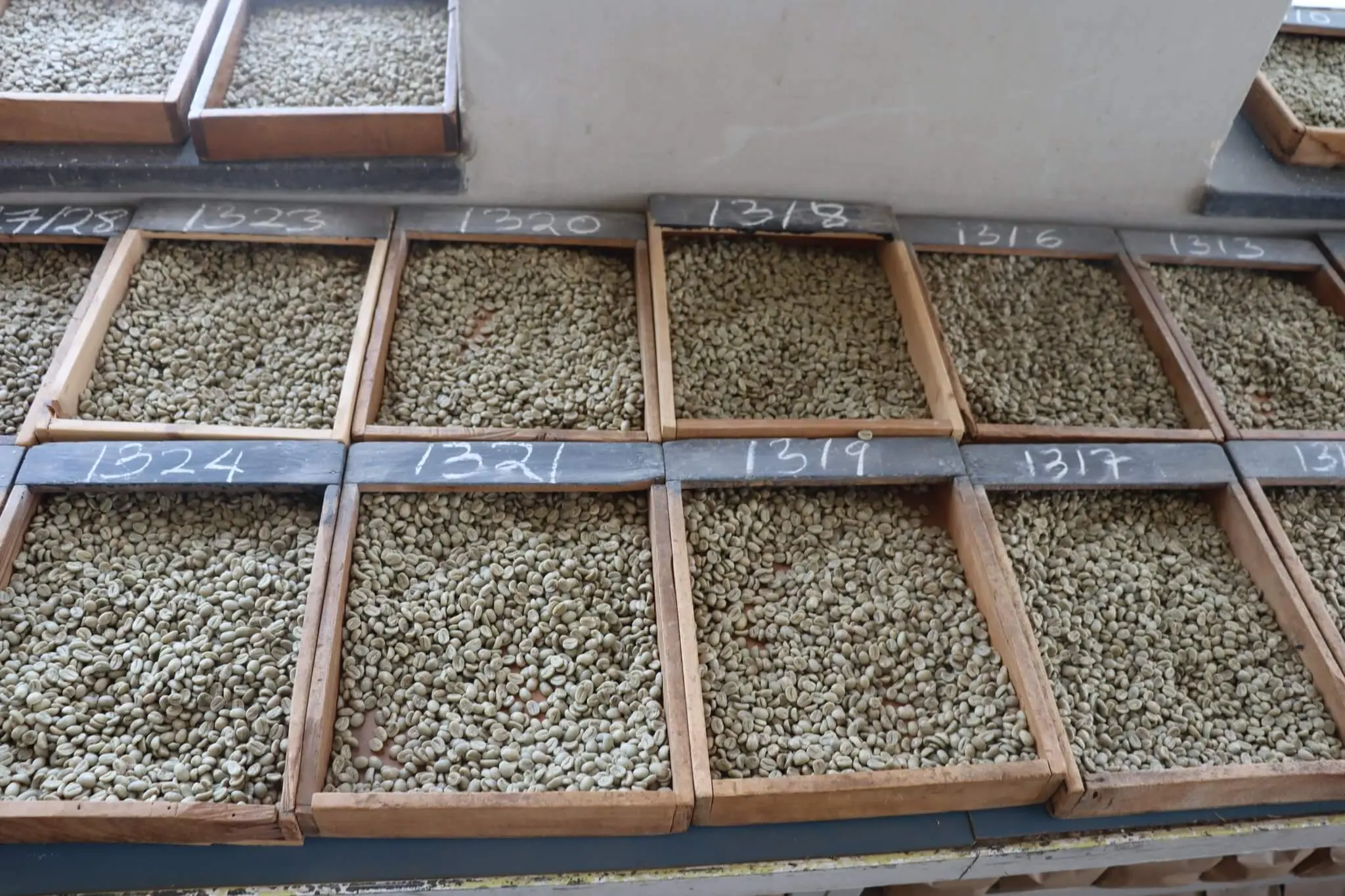
The United States’ move to scrap tariffs on imported coffee is expected to bolster African producers by improving market access and strengthening the competitiveness of their beans in a major consuming market, but weaker global prices are already limiting the immediate benefits for farmers.
Washington removed the duty as part of a wider push to ease food costs for American consumers.
Traders say the decision is likely to support demand for coffee from export-reliant African economies, where countries such as Kenya and Uganda ship more than 90 percent of their output overseas.
Lower trade barriers can lift orders, improve margins for exporters and enhance the appeal of premium beans used by international roasters.
Kenya’s Arabica, known for its bright acidity and clean cup, is highly sought after for blending and as a single-origin specialty.
Exporters say any reduction in US import costs strengthens the case for roasters to source larger volumes of Kenyan and other African coffees, particularly at a time when the market is increasingly rewarding distinct flavour profiles.
Uganda, one of Africa’s top producers, also stands to gain as it continues to post strong export figures, buoyed by investment in processing and steady demand from Europe, North America and Asia.
For both countries, tariff-free access improves prospects for long-term supply contracts and could attract new buyers seeking alternatives to traditional Latin American suppliers.
But the policy shift has coincided with a pullback in global coffee prices, which have slipped in recent sessions after earlier gains driven by tight inventories and weather concerns in Brazil.
The decline means African producers may earn less per bag even as market access improves, delaying the benefits farmers had hoped to see from the tariff change.
Analysts say the outlook will hinge on how quickly roasters adjust their sourcing strategies.
While tariff relief should, over time, raise US demand for African coffee, short-term price volatility will continue to weigh on smallholders already struggling with rising production costs and erratic weather.
Governments across East Africa have welcomed the US move but say they plan to intensify efforts to promote origin quality, improve logistics and expand local value addition to ensure producers capture a larger share of the global coffee market.