Uber Revises Contract Terms in Kenya, Uganda After COMESA Probe
Uber has overhauled its rider terms in Kenya and Uganda to give customers the right to pursue complaints under local laws, after a regional competition watchdog found the ride-hailing giant’s contracts unfairly restricted consumers’ legal options.
The COMESA Competition Commission (CCC) said on Wednesday it had closed a year-long investigation into Uber after the company agreed to remove clauses granting it sweeping discretion over pricing, liability and dispute resolution.

The inquiry, opened in September 2023, followed a wave of complaints from users in Kenya, Uganda and Egypt over being billed more than the price displayed on the app, having bookings cancelled after long waits and, in some cases, being charged when drivers failed to show up.
A review of Uber’s rider terms found provisions allowing the company to terminate service at any time without notice, alter fares at its discretion and disclaim responsibility for the conduct of third-party drivers who provide rides booked through the app.
In Kenya and Uganda, disputes were governed by the laws of the Netherlands, making it costly and difficult for riders to obtain redress locally.
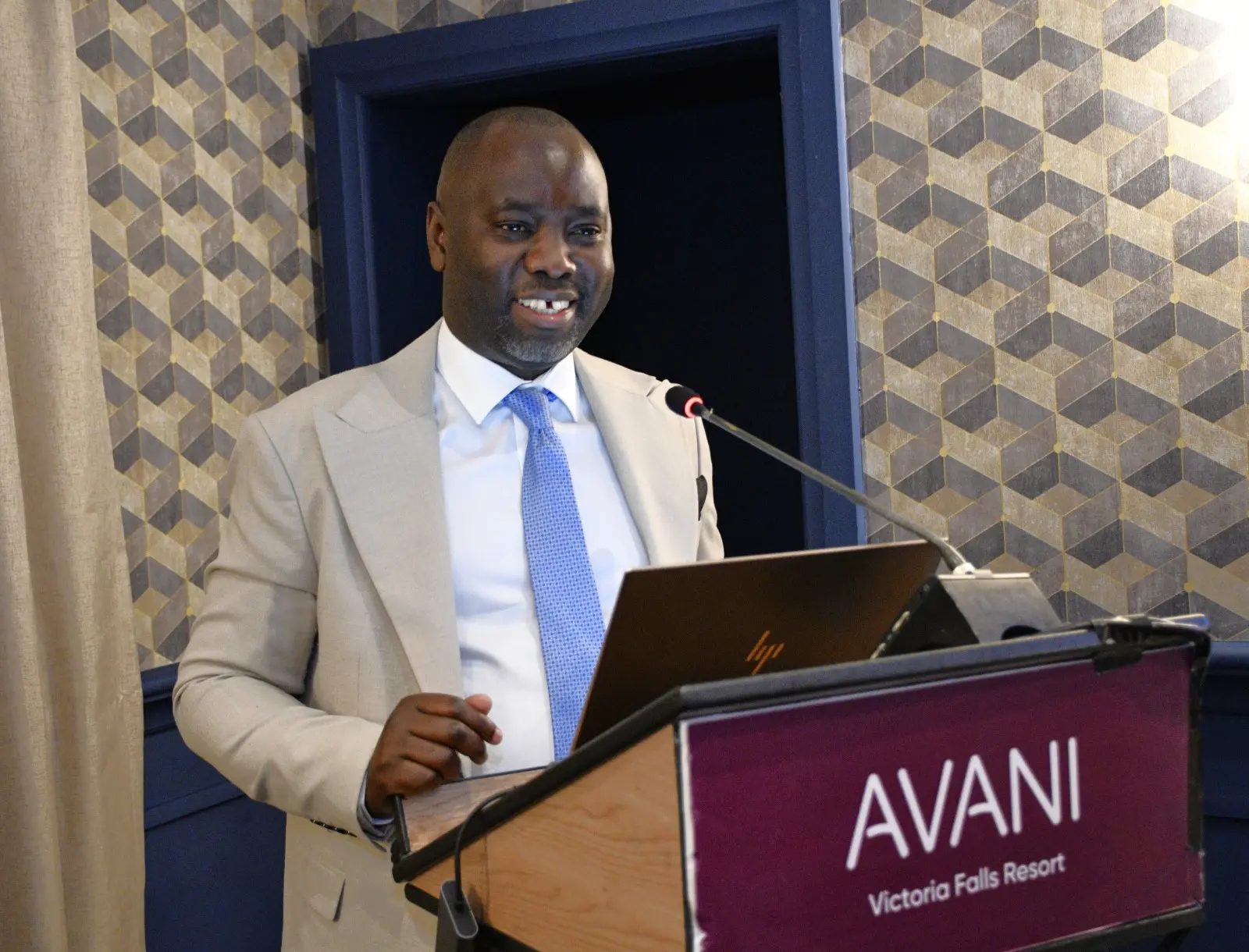
“The Commission was concerned that consumers could be left vulnerable and disenfranchised when aggrieved with the quality of services provided,” said Willard Mwemba, the Commission’s chief executive.
Dr Mwemba said Uber cooperated with the probe and agreed to amend its terms to comply with COMESA’s consumer-protection rules.
The changes include allowing riders in Kenya and Uganda to seek remedies under their own national laws, clarifying how prices are set and strengthening safeguards over user content and data.
The Committee Responsible for Initial Determinations approved the amendments and ordered Uber to publish the revised terms across its websites, apps and other platforms to notify customers.
COMESA said it would conduct periodic reviews to ensure compliance and urged the public to monitor whether companies honour their commitments on consumer rights.
The case reflects a growing willingness by regulators in Africa to scrutinise global digital platforms as they expand their footprint in transport, food delivery and payments.
Ride-hailing apps have faced similar legal and policy challenges in South Africa, Nigeria and Egypt over pricing, worker classification and liability for third-party services.
Uber, which launched in Kenya in 2015 and Uganda in 2016, dominates the formal ride-hailing market in both countries but faces rising competition from regional rivals such as Bolt and Little.
Consumer advocates say the COMESA decision could set a precedent for how cross-border digital services operating in the bloc must respect local laws and offer effective redress.
gandae@businessdayafrica.org