Trump Stance on Hormuz Exit Risks Fuelling Inflation Shock in Africa
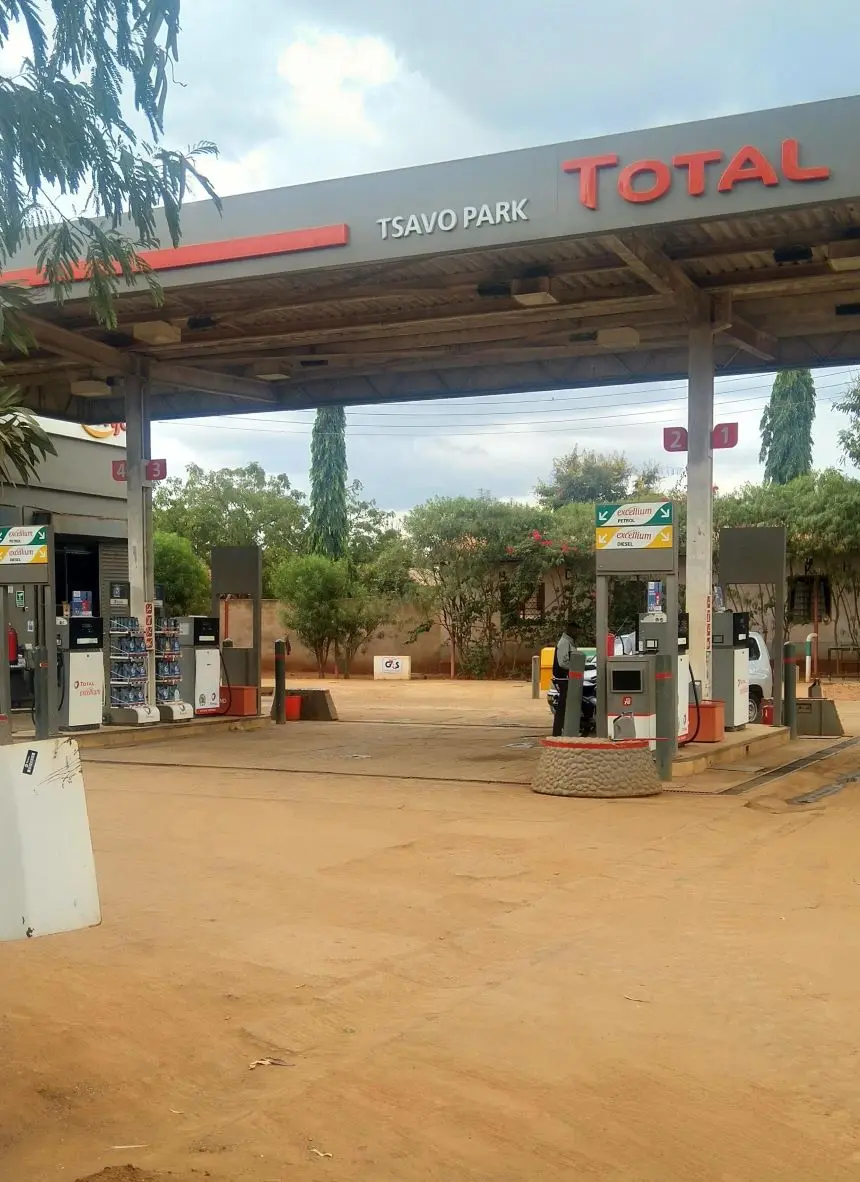
US President Donald Trump’s assertion that the war with Iran could end without reopening the Strait of Hormuz is raising fears of a fresh inflation surge in Africa, as the continent braces for higher fuel and import costs.
Trump said the strategic waterway — which handles roughly a fifth of global oil shipments — would reopen “automatically” once US qforces withdraw, signalling Washington may not prioritise securing the route before ending hostilities.
His comments have unsettled energy markets and exposed rifts with Western allies, after he accused NATO members of failing to support the US campaign, saying countries such as Britain and France should take greater responsibility for securing their own energy flows.
In a social media post, Trump also told nations reliant on shipments through the strait to consider alternative sources, saying they could “buy oil from the US” if supply disruptions persist.
Oil prices have surged in recent weeks amid the uncertainty, with Brent crude trading above $110 per barrel, driven by concerns over constrained supply as tanker traffic through Hormuz remains limited.
For Africa, the impact is expected to be acute.
The continent imports a significant share of its fuel and manufactured goods, leaving economies highly exposed to global price swings.
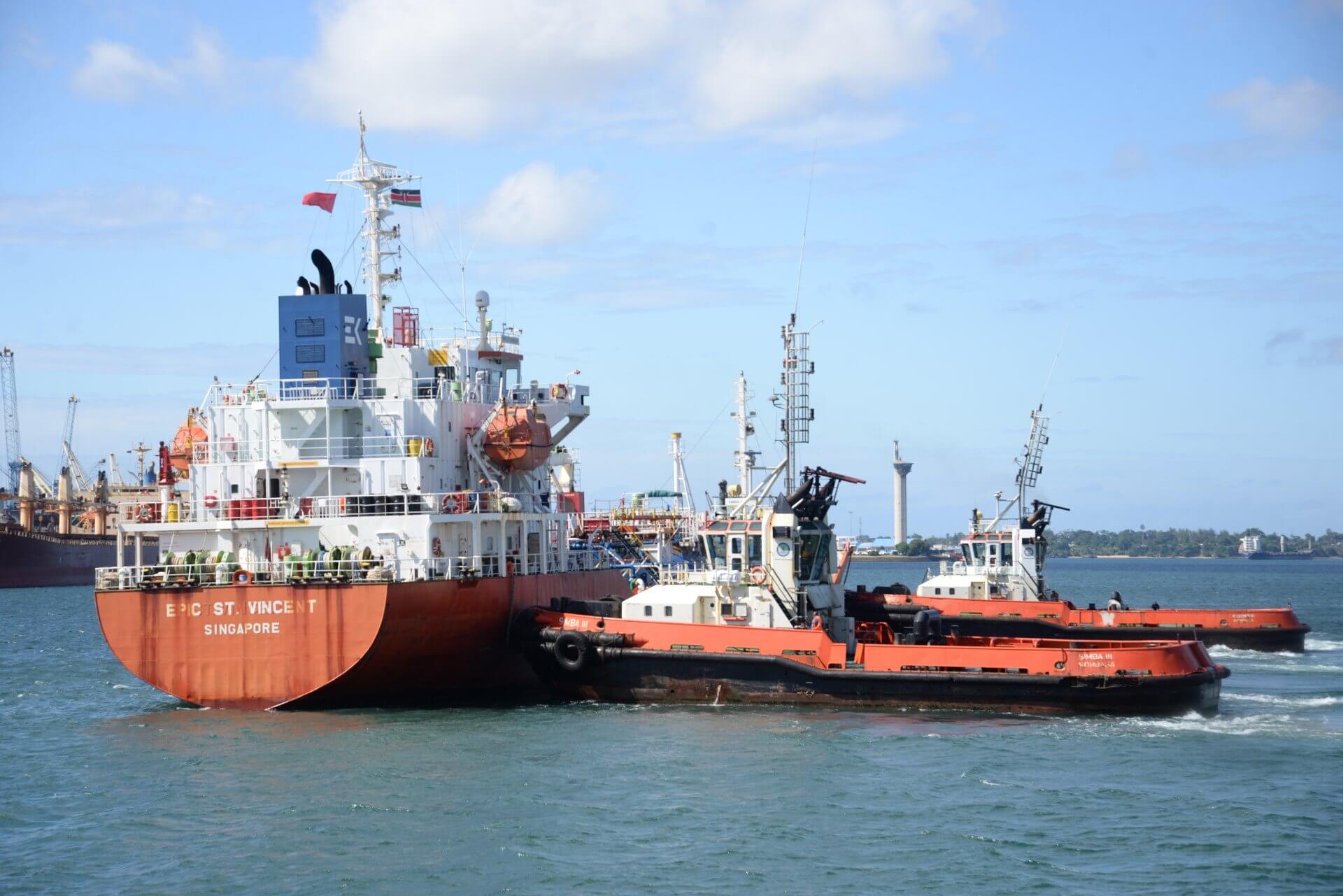
Higher crude prices typically feed into transport and electricity costs, pushing up food prices and broader inflation.
Countries including Kenya, Ghana and South Africa are particularly vulnerable due to their reliance on imported refined petroleum products, even as some African producers continue to export crude.
Analysts say the disruption to Gulf energy flows is also affecting fertiliser and gas supplies, raising risks for agricultural production and food security across the region.
Rising import bills are likely to weaken African currencies, further amplifying inflation pressures and complicating efforts by central banks to stabilise prices without choking economic growth.
Governments face difficult choices between increasing fuel subsidies — which would strain already tight fiscal positions — or passing higher costs on to consumers, a move that could trigger social unrest.
Trump’s suggestion that countries pivot to US oil supplies offers limited immediate relief for Africa, where logistical constraints, higher shipping costs and currency depreciation could make such imports more expensive.
With no clear timeline for the full resumption of traffic through the Strait of Hormuz, economists warn that prolonged disruption could entrench high fuel prices and deepen economic vulnerability across Africa, where households already spend a large share of income on energy and food.
The prospect of a US withdrawal without securing the key shipping lane means the burden fall disproportionately on import-dependent regions, with Africa among the hardest hit.
news@businessdayafrica.org