Ships to Resume Suez Route, Cutting Costs and Boosting Egypt's Economy
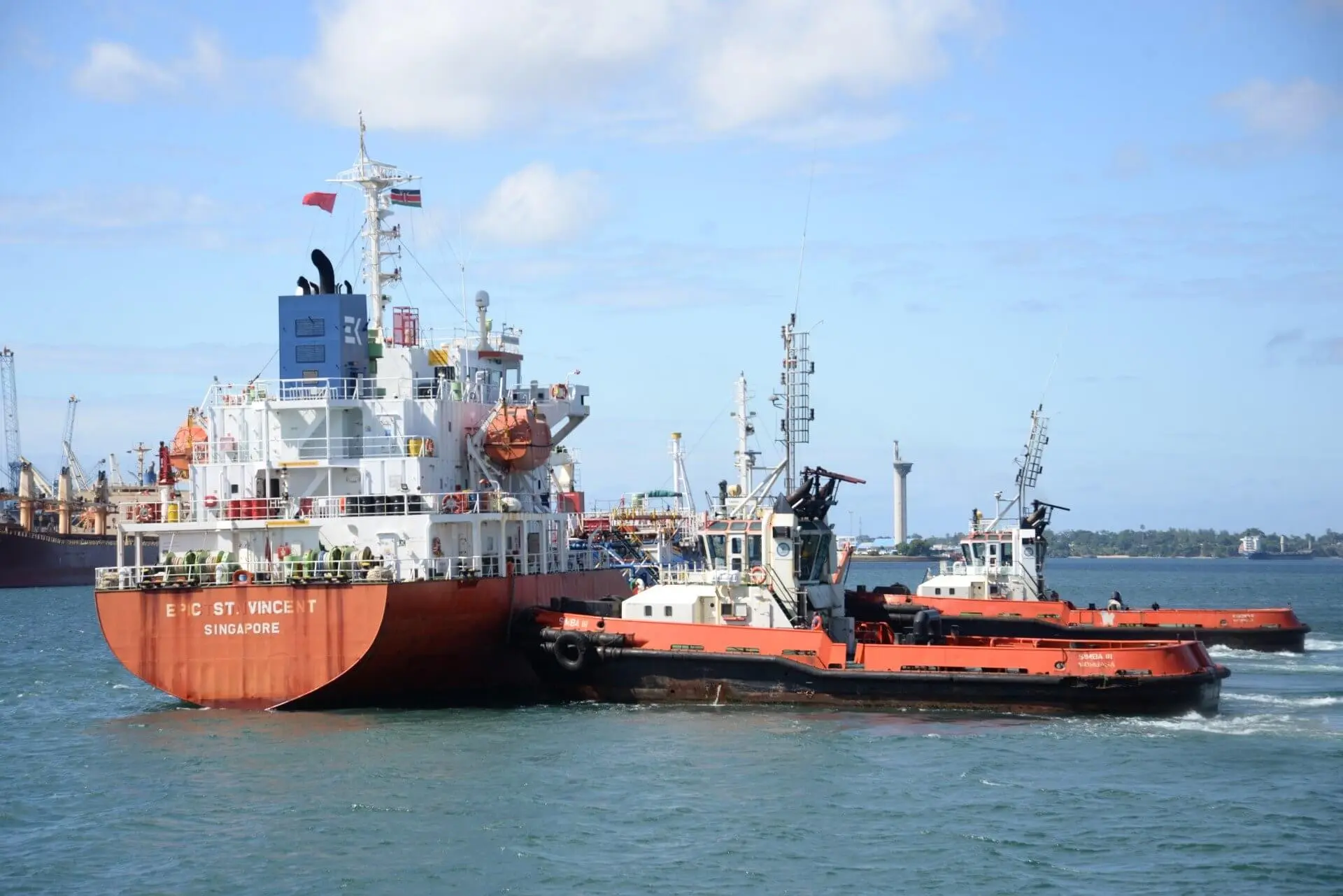
Ships are set to resume using the Suez Canal, offering a significant boost to Egypt’s economy after months of massive losses caused by vessels avoiding the Red Sea due to security concerns.
The resumption is expected to ease disruptions in global trade and reinstate Egypt’s key role in international shipping.
Freight costs are projected to decline sharply, with shipping prices likely to drop by 20-25 percent over the next two to three months, according to Yuvraj Narayan, deputy chief executive of Dubai-owned ports operator DP World, as quoted by Reuters.
Narayan made the comments on the sidelines of the World Economic Forum in Davos, Switzerland, adding that the shorter route via the Suez Canal will alleviate capacity pressures caused by longer voyages around the southern tip of Africa.
The disruption began in November 2023, when Yemen’s Iran-aligned Houthi group escalated attacks on vessels in the southern Red Sea and the Gulf of Aden.
More than 100 attacks have been recorded since then, including the sinking of two ships, the seizure of another, and the killing of at least four seafarers.
The group said on Sunday it would restrict its attacks to Israeli-linked ships and consider halting all strikes if a Gaza ceasefire is fully implemented.
The violence forced major shipping lines to reroute vessels away from the Red Sea, increasing transit times and tying up an estimated 30 percent more shipping capacity.
The resumption of Red Sea traffic through the Suez Canal is expected to restore efficiency and reduce costs for global trade.
The Suez Canal is a critical revenue source for Egypt, providing one of the shortest shipping routes between Europe and Asia.
The diversion of vessels during the Houthi attacks had severely impacted toll revenues and disrupted supply chains.
The canal’s recovery is anticipated to improve Egypt’s fiscal outlook and strengthen its position as a key trade hub.
news@businessdayafrica.org