Renewed Iran-Israel Fighting Raises Inflation Risks Across Africa
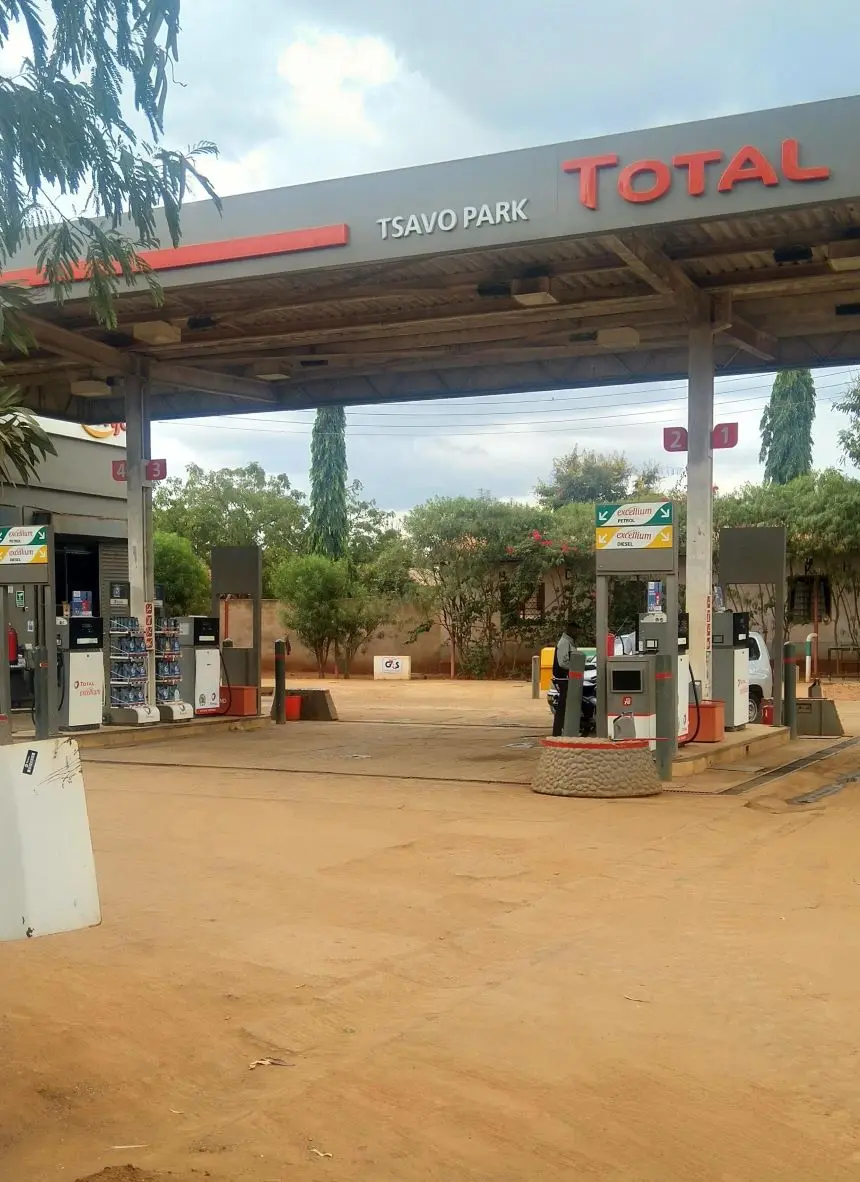
African economies are staring at another round of inflationary pressure after renewed fighting between Iran and Israel pushed global oil prices sharply higher, threatening to reverse weeks of relief that had followed a fragile ceasefire in the Middle East.
Brent crude rose above $95 a barrel while US crude climbed past $92 after fresh exchanges of missile and air strikes between the regional rivals reignited fears of supply disruptions in one of the world’s most important oil-producing regions.
The latest escalation has renewed concerns over the security of shipping routes linked to the Strait of Hormuz, through which a significant share of global crude exports passes.
The renewed conflict comes after a brief period of relative calm that had helped ease fuel costs across global markets. Oil prices had retreated during the ceasefire period amid hopes that diplomacy could prevent a wider regional war and restore stability to energy supplies.
Instead, tensions have flared again after Iran launched missile attacks targeting Israel following Israeli strikes on Hezbollah-linked positions in Beirut. The attacks marked one of the most serious breaches of the truce reached earlier this year and prompted fears of a broader regional confrontation.
The renewed hostilities follow months of military exchanges that also saw Iranian-linked attacks targeting US military facilities and strategic infrastructure across the Middle East, raising concerns over the security of global energy supplies and shipping lanes.
For Africa, which imports most of its refined petroleum products, the immediate consequence is likely to be higher transport, manufacturing and food costs.
The warning signs are already emerging.
In Rwanda, authorities raised diesel prices by about 724 Rwandan franc per litre in the latest review, pushing pump prices to record levels as the country grapples with rising international oil costs.
Diesel now sells at about 2,927 Rwandan francs per litre, one of the sharpest increases seen in recent months.
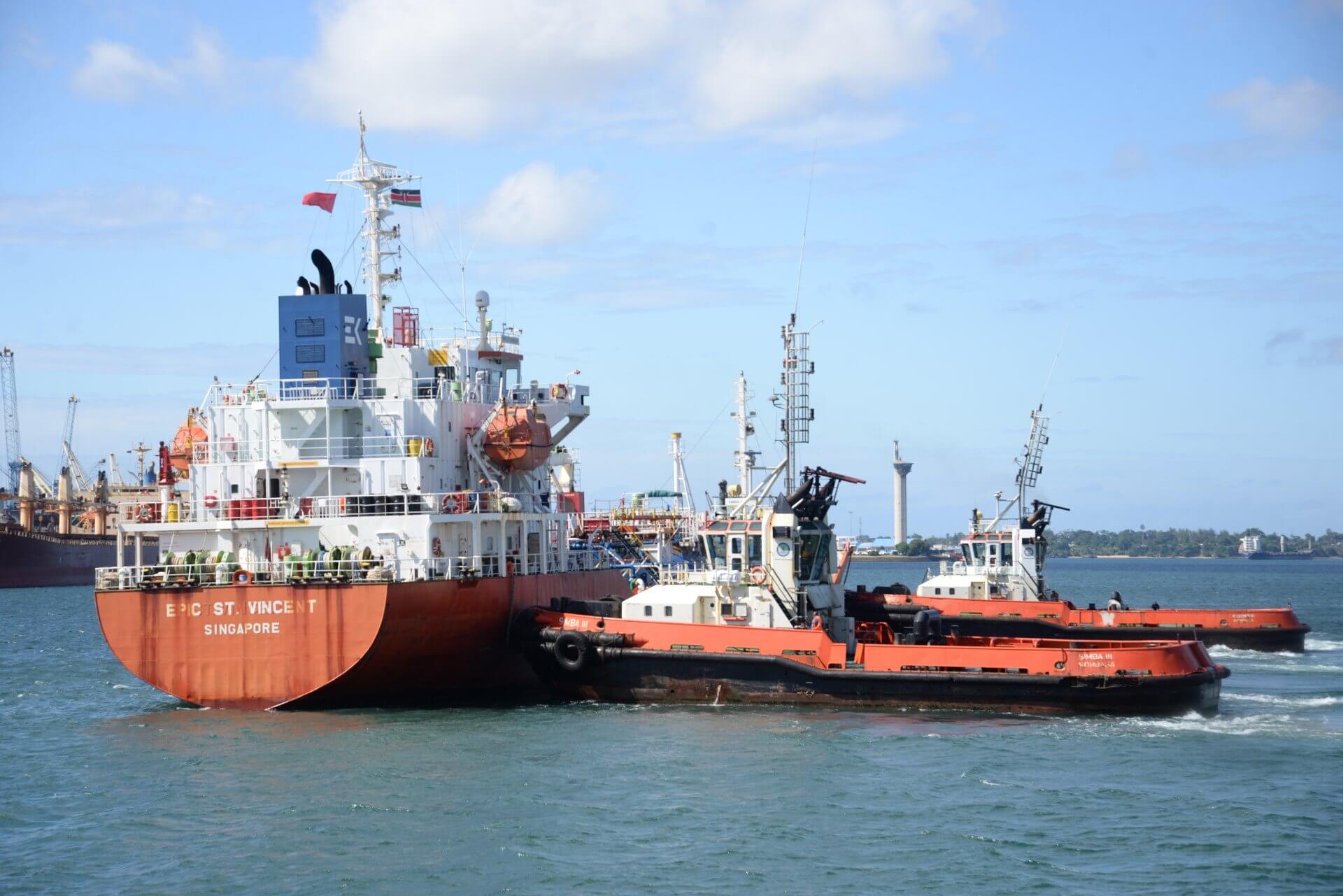
The increase underscores how quickly global energy shocks are filtering into African economies that rely heavily on imported fuel.
Kenya has already provided a glimpse of the economic and political risks associated with rising energy costs.
Last month, a sharp increase in fuel prices triggered nationwide protests and transport strikes that paralysed major cities.
At least four people were killed, dozens injured and hundreds arrested as demonstrators clashed with police over the soaring cost of living.
Fuel operators argued that rising oil prices linked to the Middle East conflict had pushed diesel and petrol prices to record highs.
Economists warn that another sustained increase in oil prices could reignite inflation across Africa just as several countries were beginning to see price pressures moderate.
Higher fuel costs typically feed into transport charges, electricity generation, fertiliser prices and food distribution costs, creating a ripple effect throughout the economy.
Countries including Kenya, Rwanda, Uganda and Tanzania remain particularly vulnerable because of their dependence on imported petroleum products and the long supply chains required to move fuel inland from regional ports.
The latest escalation between Iran and Israel has therefore raised fears that Africa’s battle against inflation may be far from over, with consumers likely to face higher prices for fuel, food and other essential commodities if tensions continue to intensify in the Middle East.
gandae@businessdayafrica.org