Red Sea Threat Raises Risk of Fresh Price Shocks in Africa
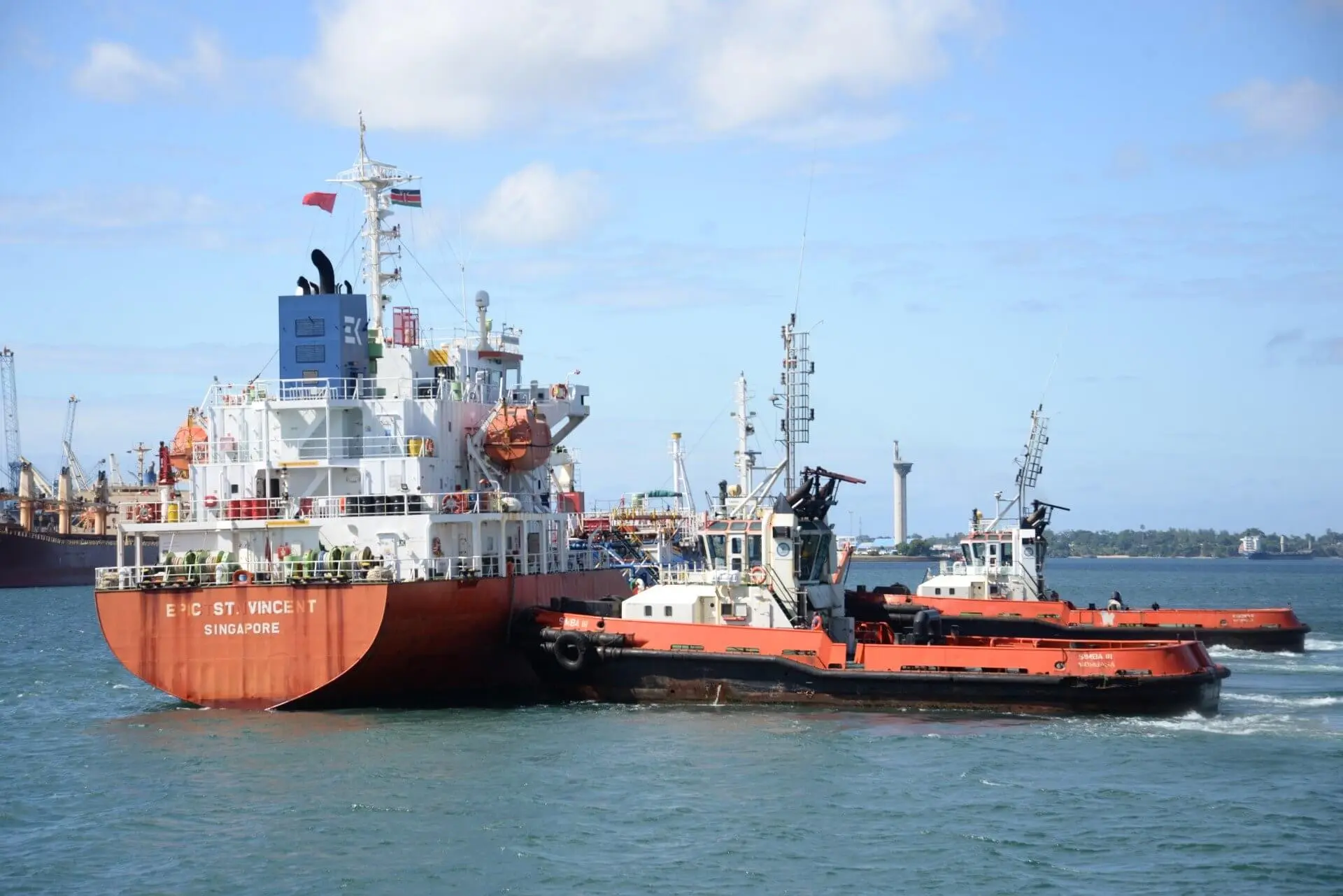
African economies could face a fresh wave of inflation as Yemen’s Houthi movement threatens to disrupt shipping through the Red Sea, a key trade route that had become an alternative for vessels avoiding tensions in the Strait of Hormuz.
The Iran-aligned Houthis have signalled they may target ships in the Red Sea in support of Tehran, widening a conflict that has already rattled global energy markets and raised concerns over supply routes.
The Red Sea corridor had taken on increased importance in recent months as insecurity around the Strait of Hormuz — which handles about a fifth of the world’s oil supply — pushed shipping traffic to seek safer passage.
Any disruption across both routes could tighten global supply chains and drive up costs.
Oil prices have remained volatile amid the escalating tensions, with analysts warning that further threats to key transit points could push crude prices higher.
Rising fuel costs typically feed quickly into transport and power prices, particularly in African economies that rely heavily on imported petroleum products.
Most African countries import refined fuel, leaving them exposed to swings in global prices.
Even major oil producers such as Nigeria depend on imports to meet domestic demand due to limited refining capacity.
Higher shipping costs are also expected to add to the pressure.
Insurance premiums for vessels transiting high-risk zones have risen, while some shipping firms may opt to reroute cargo around the Cape of Good Hope, extending transit times and increasing freight charges.
The Red Sea is a critical artery for trade linking Africa to Europe and Asia, carrying imports such as wheat, fertiliser, machinery and consumer goods.
Disruptions could delay deliveries and push up the cost of essential commodities across the continent.
The latest developments come as many African economies are already grappling with high inflation, weakening currencies and rising debt servicing costs, limiting governments’ ability to shield consumers from external shocks.
Economists say prolonged instability in the region could deepen Africa’s vulnerability to global supply disruptions and renew calls for investment in local refining capacity and regional supply chains.
gandae@businessdayafrica.org