Private Medical Colleges Protest Unequal Regulation Standards

Private medical colleges are up in arms over arbitrary charges of up to Sh1 million and student intake limits set by regulators, saying the measures are forcing many to close.
The more than 100 colleges, with a combined enrollment of about 45,000 students and up to 5,000 staff, are decrying discrimination under the current regulatory framework.
They note that Technical and Vocational Education and Training (TVET)-registered private medical training colleges are currently subjected to overlapping mandates of about 12 distinct regulatory bodies.
This they contend has created a duplicative, costly, and administratively burdensome environment that stifles institutional growth and efficiency.
They want Parliament to step in and align the regulations, scrapping provisions they say unfairly discriminate against them.
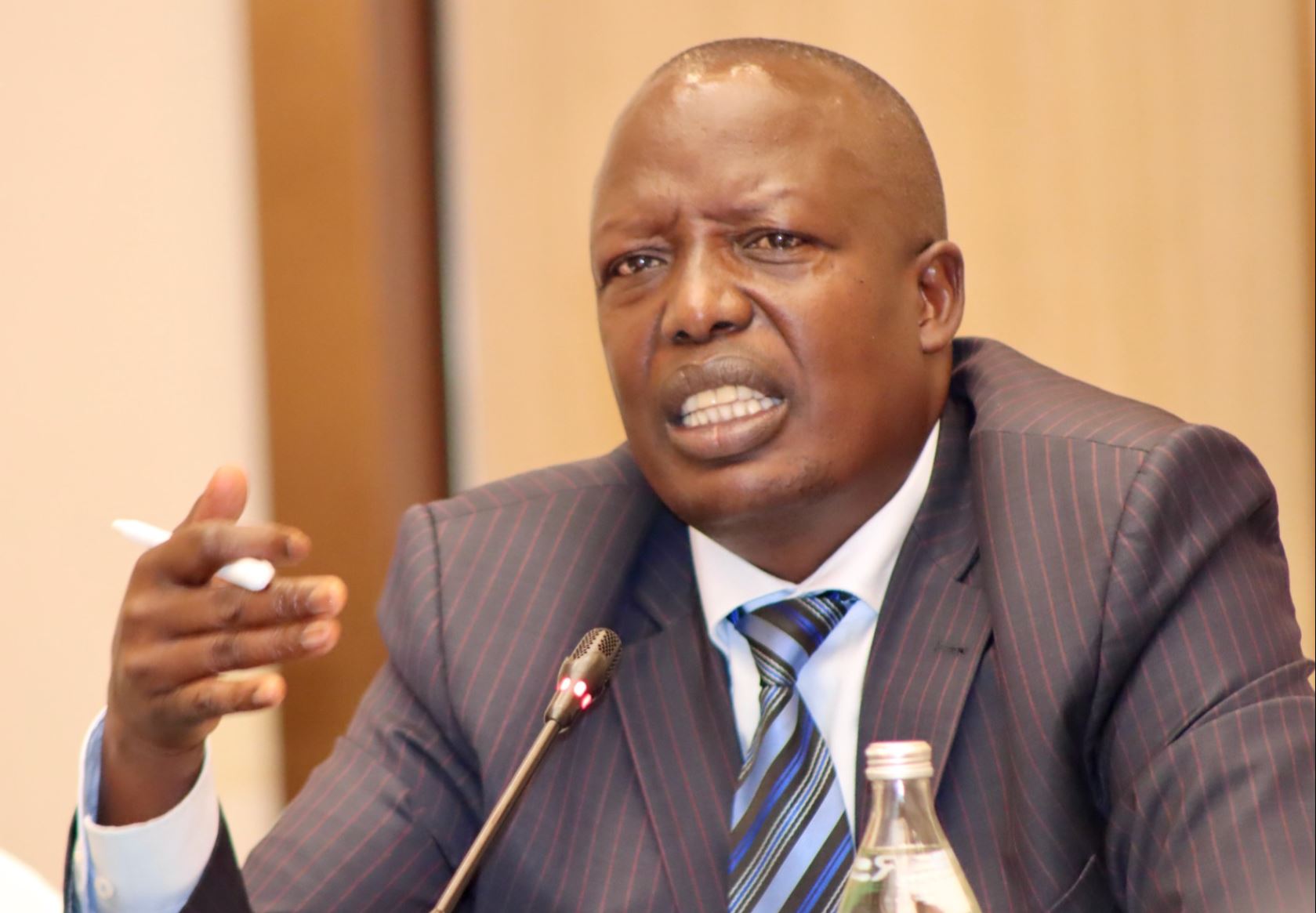
“The current regulatory environment, which appears misaligned with contemporary realities, must be restructured to support rather than suppress the private sector,” the colleges said in their petition to Parliament through their lobby the Association of Medical Training Institutions of Kenya (AMTI-K).
The lobby states that, due to regulator-imposed class size limits of 20 to 40 students, parents and prospective students are being turned away despite the colleges having adequate training resources.
AMTI-K representative Reuben Waswa told the National Assembly Education Committee that this has been the practice for an extended period now despite increasing demand for healthcare training.
“Private institutions are barred from offering several certificate-level programs including nursing, medical laboratory, and pharmacy technician courses which in turn been quietly phased out or suppressed,” he told Committee chaired by Tinderet MP Julius Melly.
AMTI-K observes that, paradoxically, Kenyan students who undertake similar programs at the Kenya Medical Training College or in neighboring countries such as Tanzania and Uganda are duly recognized and certified by local regulatory bodies upon their return, even as domestic private institutions are prohibited from offering identical courses.
All this while the private institutions are subjected to numerous fees imposed unilaterally by various regulators.
The charges they said range from Sh5,000 to Sh1 million for services such as, student indexing, curriculum review, quality assurance, examinations, certification, licensing, inspections, and trainer development.
AMTI-K wants Parliament to order the immediate suspension of all fees and levies that are exorbitant, irrational, or not duly gazetted, and instructs the National Treasury to conduct a comprehensive review of the fee structure.
“Institutions offering multiple professional courses are compelled to pay these fees repeatedly for each course, placing a heavy financial burden on parents and guardians, many of whom are taxpayers struggling under current economic conditions,” the lobby said in its petition.
The lobby notes the Kenya Health Professions Oversight Authority (KHPOA), established under the Health Act, 2017, has failed to act as an impartial arbiter.
Instead, AMTI-K says KHPOA has abrogated its mandate as an oversight regulator and started duplicating its subjects’ (primary regulators) roles and imposing unlawful financial demands on private colleges.
Mr Melly said a joint sitting of the Education Committee and the Education Committee will be organised and will shall invite regulators from both side because the issues raised by AMTI-K are cutting across health and education sectors.
news@businessdayafrica.org