OPEC+ Output Hike, Geopolitical Risks Push Oil Prices Higher, Straining African Importers
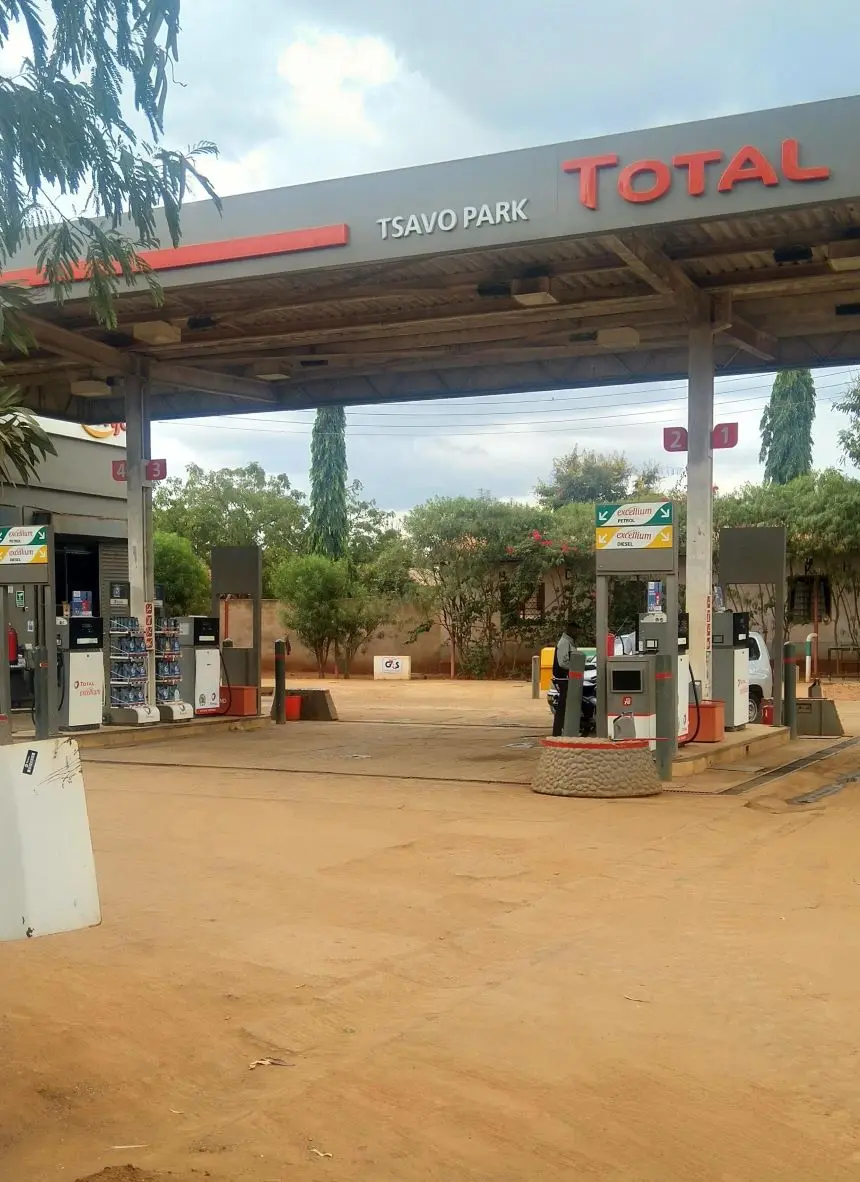
Oil prices rose on Monday after OPEC+ announced a third consecutive monthly increase in crude output and geopolitical tensions disrupted supplies, adding pressure on energy-importing economies across Africa.
Brent crude gained nearly three percent to trade around $65 a barrel, while US West Texas Intermediate rose 3.4 percent to about $63.
The gains follow a decision by OPEC+ to boost production by 411,000 barrels per day in July, continuing a strategy aimed at regaining market share and enforcing output discipline among member states.
The hike comes amid tightening global supply, with wildfires in western Canada curbing production and renewed conflict between Russia and Ukraine threatening energy infrastructure.
A drone attack on a Russian airbase last week damaged dozens of military aircraft, raising fears of broader regional instability.
While the OPEC+ move signals confidence in global demand recovery, analysts say the market remains fragile.
Demand across Asia has weakened, with major importers such as China showing signs of a surplus and reducing crude purchases. Overall, Asian oil imports declined in the first five months of the year, reflecting lingering economic uncertainty.
The rise in oil prices is set to weigh on African nations that rely heavily on imports to meet domestic fuel needs.
Countries such as Kenya, Senegal and Ghana, which do not produce enough crude to meet internal demand, could see increased fuel and transport costs, worsening inflationary pressures. Several of these economies are already grappling with weak currencies, elevated debt levels and rising food prices.
Nigeria and Angola, two of Africa’s biggest producers, could benefit from higher prices in the short term, although production challenges and underinvestment may limit gains.
Meanwhile, countries with fuel subsidies risk further fiscal strain as governments struggle to balance social spending with ballooning energy bills.
Despite the rebound in prices, some analysts warn the rally may be short-lived if demand remains subdued.
Oversupply concerns persist, and further price increases could dampen consumption, especially in vulnerable economies.
gandae@businessdayafrica.org