Oil Tops $90 as US-Iran Conflict Fuels Supply Fears
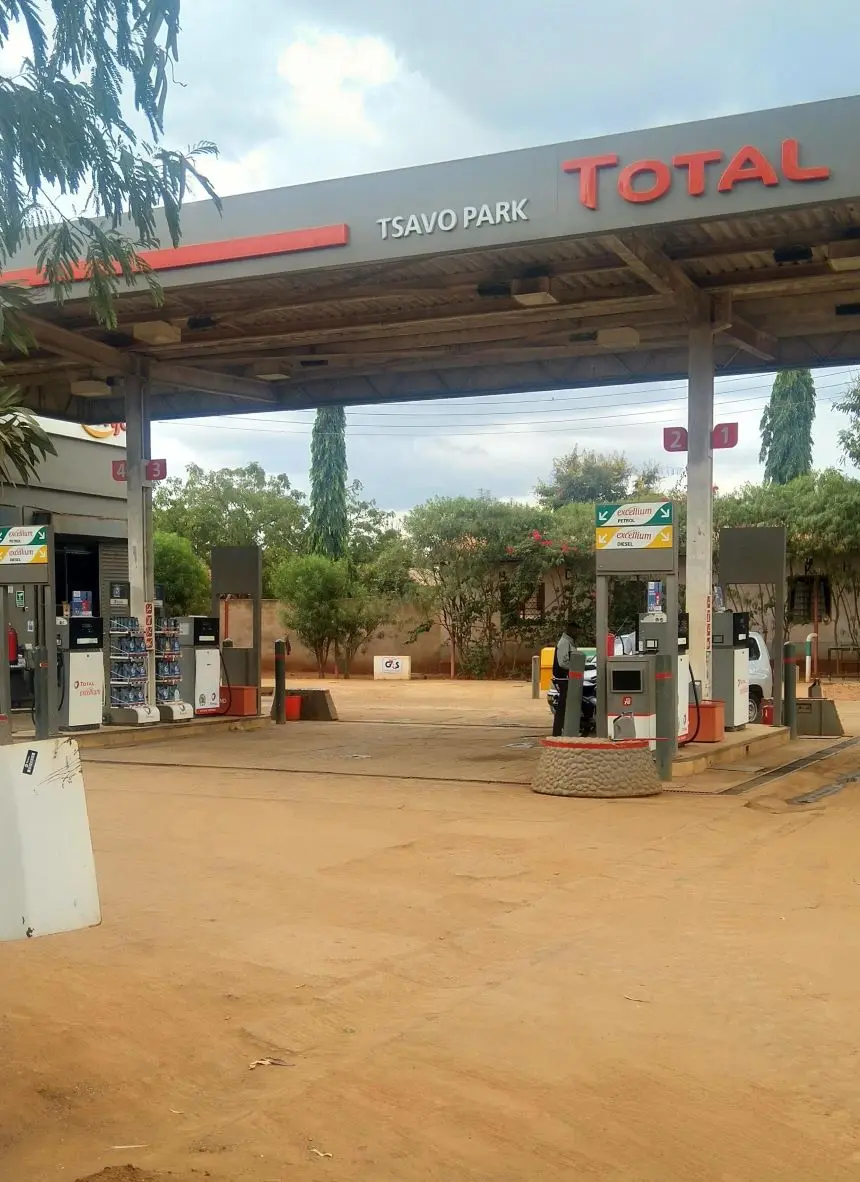
Global oil prices climbed above $90 a barrel on Monday as escalating military tensions between the United States and Iran heightened fears of disruptions to crude supplies through the Strait of Hormuz, threatening to increase fuel costs and inflation across oil-importing African economies.
Brent crude, the international benchmark, rose to about $90.80 a barrel, while US West Texas Intermediate traded at around $84.70, extending gains as traders assessed the risk of supply interruptions in the Middle East.
The latest rally follows renewed hostilities between Washington and Tehran, with concerns mounting over the security of the Strait of Hormuz, a strategic waterway through which roughly one-fifth of the world’s oil supply passes. Shipping activity through the channel has slowed amid heightened security concerns, adding to fears that global supplies could tighten if the conflict worsens.
The sharp increase in crude prices marks a reversal from the brief period of lower oil prices seen after a short-lived truce had eased market concerns.
The renewed conflict has erased those gains, pushing energy markets higher as investors priced in geopolitical risks.
For many African countries that depend heavily on imported petroleum products, the surge in crude prices is expected to translate into higher pump prices for petrol and diesel in the coming weeks.
The increase is also likely to raise transport and manufacturing costs, intensify inflationary pressures and strain government budgets, particularly in countries that subsidise fuel.
Higher fuel costs could further squeeze households and businesses already grappling with elevated living costs, while central banks may face renewed pressure to keep interest rates higher for longer to contain inflation.
Market analysts warned that oil prices could climb further if the conflict intensifies or if exports through the Strait of Hormuz are significantly disrupted, with some forecasts pointing to crude approaching $100 a barrel under a prolonged supply shock.
The Middle East accounts for a significant share of global crude exports, making any disruption in the region a major concern for energy markets and fuel-importing nations worldwide, including many economies across Africa.
news@businessdayafrica.org