Oil Falls After Trump Delays Iran Strikes, offering Relief to Africa
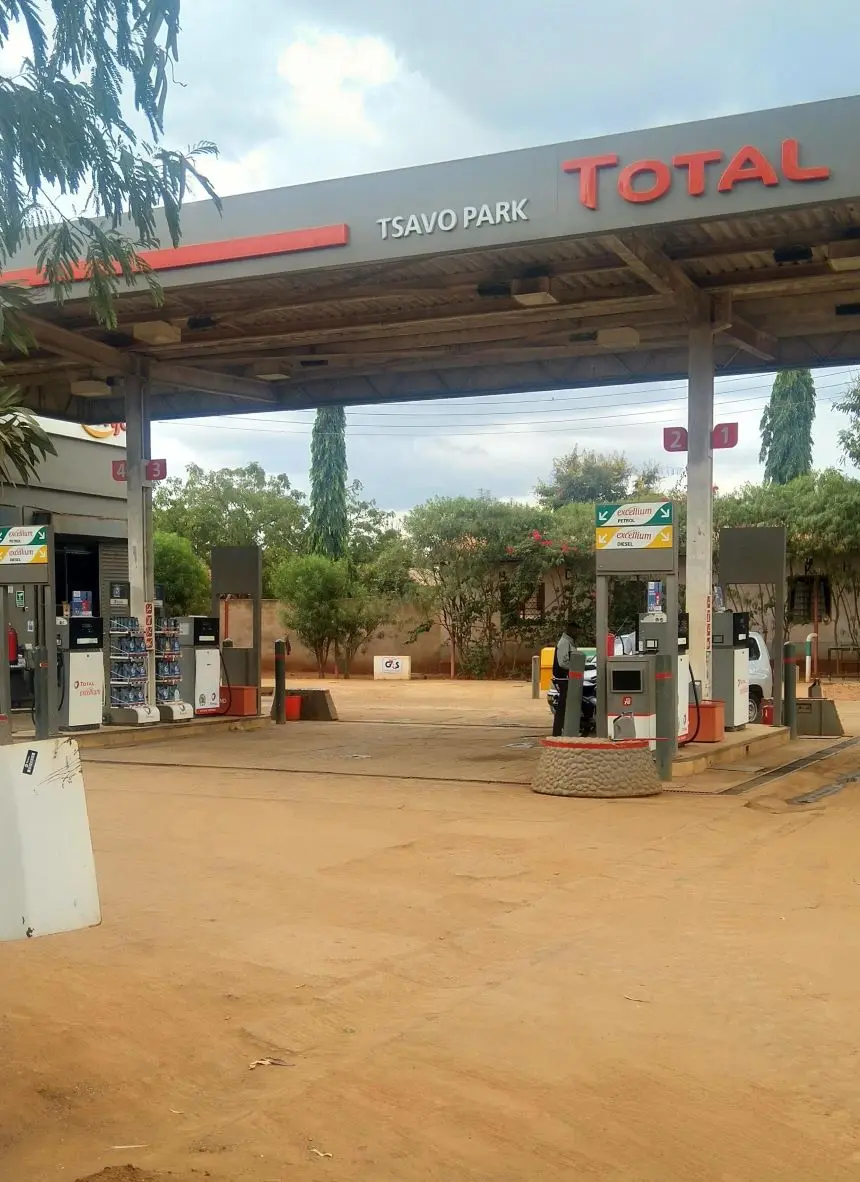
Oil prices fell on Monday after US President Donald Trump said he would postpone planned strikes on Iran’s energy infrastructure, easing fears of supply disruptions and offering potential relief to import-dependent African economies.
Brent crude and US West Texas Intermediate futures dropped by 13 percent as markets reacted to the announcement of a five-day pause, with traders scaling back risk premiums tied to a widening conflict in the Middle East.
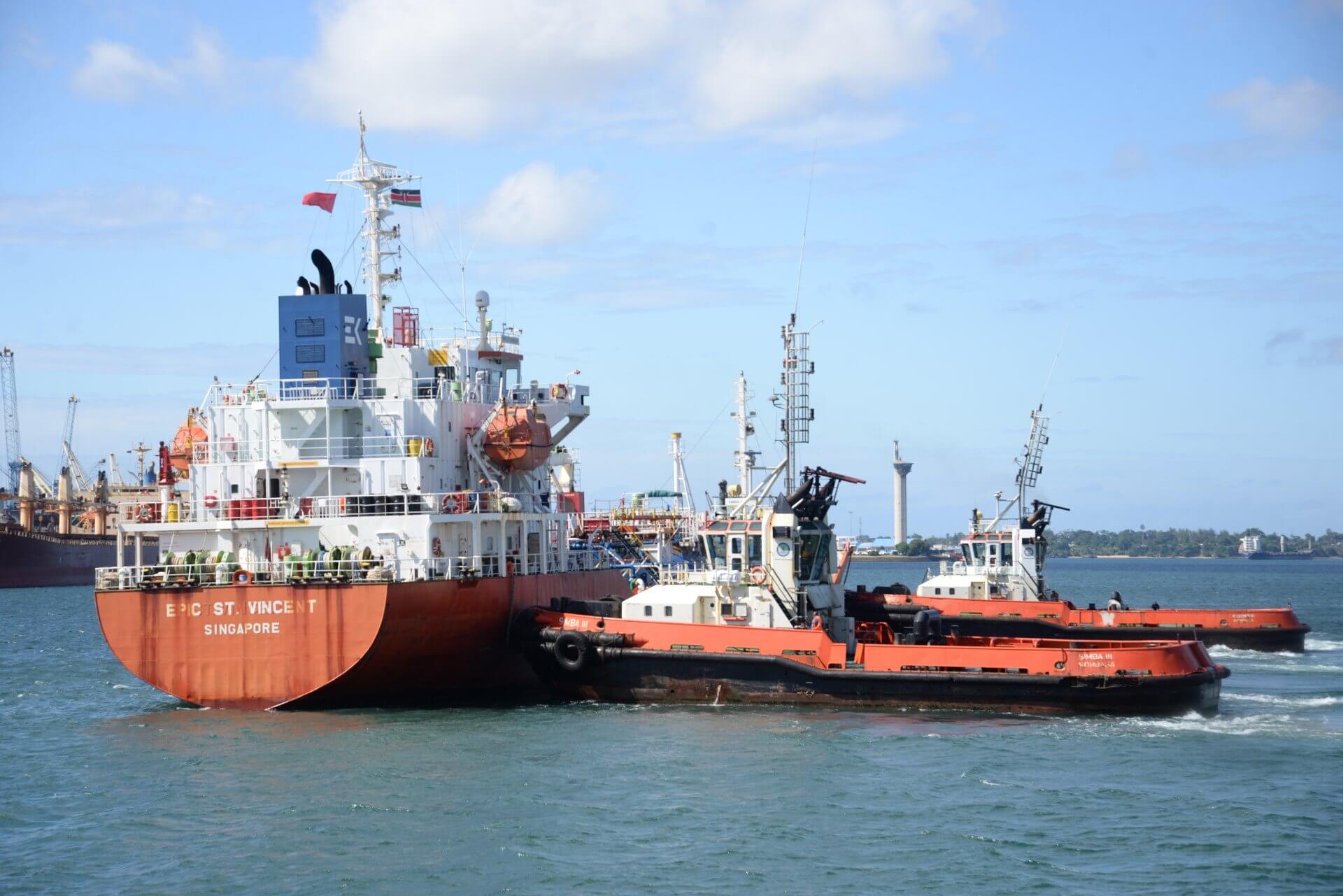
The retreat in prices could provide breathing room for African countries, many of which rely heavily on imported fuel and have been grappling with rising inflation driven by earlier spikes in global energy costs.
Lower oil prices tend to ease pressure on transport, food and electricity costs, key drivers of inflation across the continent.
Trump said the delay in targeting Iranian oil and power facilities was intended to allow room for diplomacy, signalling what he described as progress in efforts to de-escalate tensions.
The United States had in recent weeks stepped up military action against Iranian-linked targets, raising concerns about a broader regional conflict and threats to critical oil supply routes.
The Strait of Hormuz, a key artery for global crude shipments, had been at the centre of market anxiety, with any disruption seen as likely to tighten supplies and push prices higher.
Iran, however, has denied that direct negotiations are underway and reiterated that any talks would require Washington to halt attacks and offer guarantees against further escalation.
Officials in Tehran have also demanded compensation for damage caused during the conflict, underscoring the gap between the two sides.
The mixed signals highlight the fragility of the current de-escalation, with analysts warning that markets could quickly reverse course if tensions flare again.
Oil prices had surged above $100 a barrel earlier in the conflict as fears of supply disruptions intensified.
Monday’s decline reflects a partial unwinding of those concerns, though prices remain elevated compared with levels before the crisis began.
For African economies, the outlook hinges on whether the pause in hostilities holds.
A sustained drop in crude prices would help stabilise currencies, ease fiscal pressures from fuel subsidies and support economic recovery.
But with both Washington and Tehran maintaining firm positions, the risk of renewed volatility remains, leaving governments and consumers exposed to sudden swings in global energy markets.