Mombasa and Other East African Ports Lose Millions as Vessels Divert from Red Sea
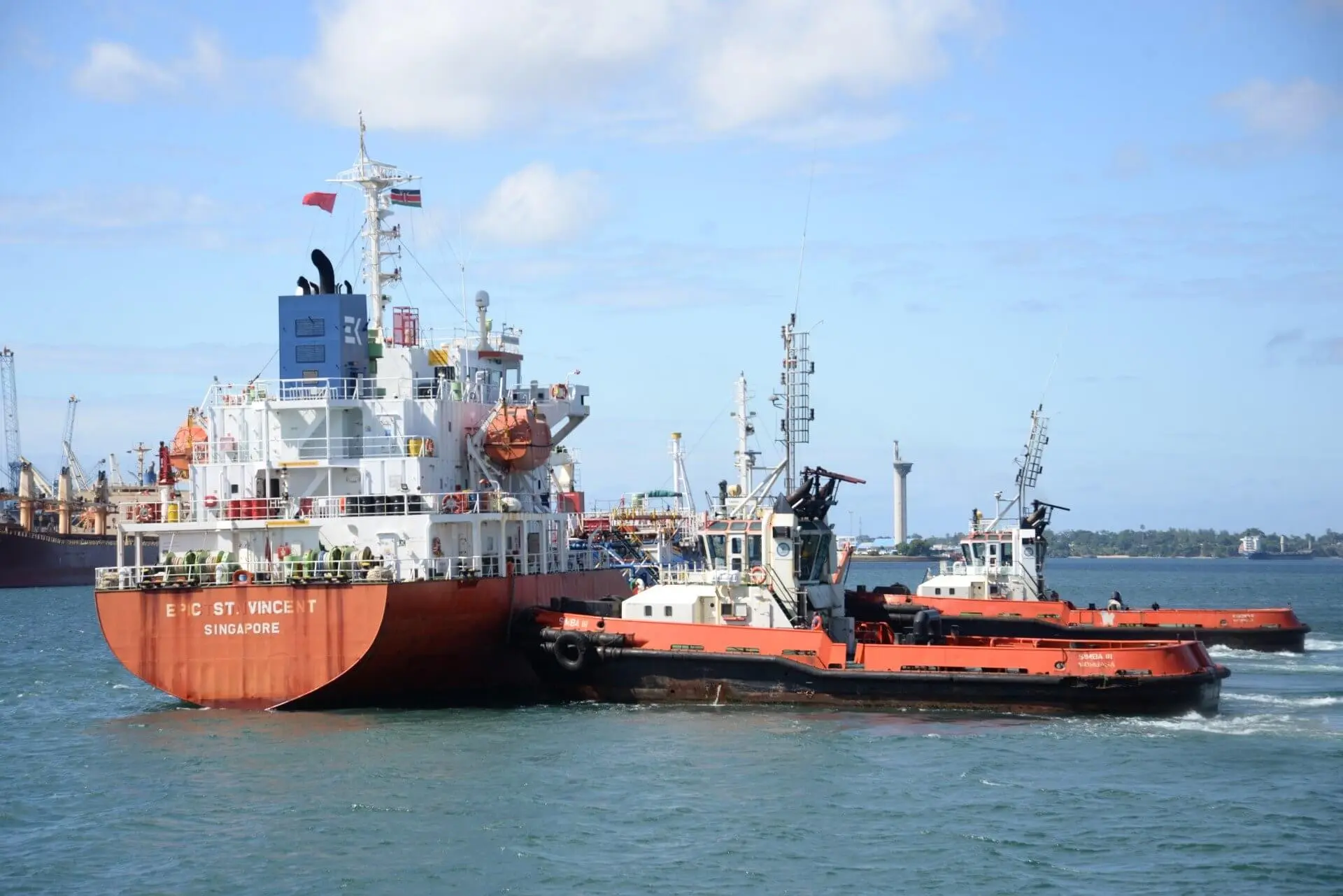
The Port of Mombasa and its regional counterparts are witnessing a significant financial setback, as they miss out on potential millions in revenue that would have been garnered from vessels diverting away from the Red Sea.
The redirection, prompted by the need to avoid rebel attacks, has steered ships towards the Cape of Good Hope to Africa’s East Coast.
Most East African ports are ill-equipped to handle the demands of large ships seeking replenishment after extended voyages.
Major shipping lines, including Maersk, have communicated that their vessels can only refuel adequately at the origin, destination, or Port Louis in Mauritius.
In the case of routing around the Cape, Maersk stated that refueling en route would be determined on a case-by-case basis, with Walvis Bay (Namibia) or Port Louis (Mauritius) identified as top options, highlighting the limitations of East African facilities.
Over-congestion at these ports further compounds the issue, hindering ships from efficiently docking for restocking and refueling.
This challenge intensifies as an increasing number of large vessels opt for the longer route around the southern tip of Africa—adding 10-14 days to their travel—to evade drone and missile attacks by Yemeni Houthis, causing disruptions that have contributed to elevated oil prices and freight rates.
Iranian-backed militants’ attacks have also disrupted international trade through the Suez Canal, the primary shipping route between Europe and Asia, responsible for about a sixth of global traffic.
The recently published third edition of the global Container Port Performance Index underscored the struggles of East African ports, with the Mombasa port ranking at a modest 326 out of 348 assessed worldwide. This positions it behind regional peers in Eastern Africa, reflecting efficiency concerns.
Port rankings are based on efficiency metrics, primarily the elapsed time between a ship’s arrival at a port and its departure after completing cargo exchange.
Notably, the Port of Berbera (144), Port Elizabeth (291), Durban (341), and Cape Town (344) also exhibited poor performance during the audit.
Despite Durban’s and Cape Town’s status as among Africa’s largest ports in terms of container volumes handled, they lagged significantly behind their East African counterparts.
“Even in its current state, Durban remains the most advanced and largest port in Africa. Ships rerouting around the continent have very limited choices for berthing and replenishment,” Alessio Lencioni, a logistics and supply chain consultant told Reuters.
As East African ports grapple with these challenges, stakeholders are urged to address infrastructure deficiencies and enhance efficiency to accommodate the growing demands of redirected maritime traffic.
gandae@businessdayafrica.org