Millers at a Crossroads Over Expensive Local Wheat
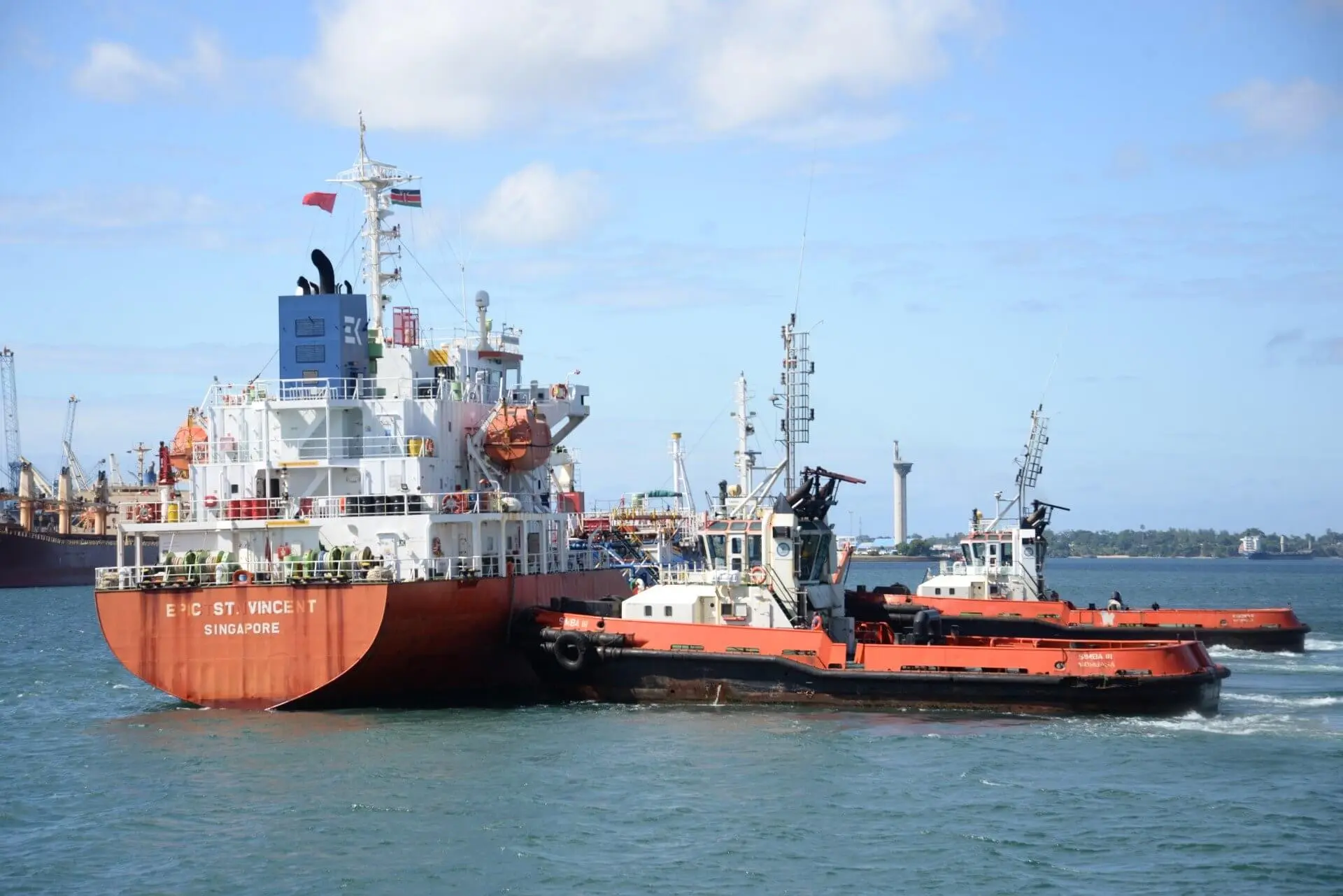
Wheat processors are facing a dilemma regarding costly domestic grain, which has led to over two million bags of imported grain being detained at the Port of Mombasa.
The government is insisting that the processors must first mop up the local inventory before being authorised to unload their shipments.
Kenya Revenue Authority (KRA) stopped the issuance of the C60 form- a document used by the Treasury for clearance of imported raw material under the duty remission scheme, leaving millers stranded with millions of tonnes of imported wheat.
The bone of contention has been the price that the government has set for the purchase of local wheat, which requires millers to pay Ksh5,200 per bag, making it more expensive by Ksh1,654 that processors are paying for imported grain.
Processors say they are paying even more to have the produce delivered to Nairobi from Narok as they incur an extra Ksh200 per bag on transport cost, pushing the price per bag to Ksh5,400.
A tonne of wheat at the international market is selling at Ksh39,000 implying that a 90-kilo bag is landing in Mombasa at Ksh3,545.
Millers have cried foul over the move by the government to restrict entry arguing that they will incur higher charges in payment of demurrage to the ship owners for holding the vessels longer than is required.
“We do not have to incur unnecessary expenses, the government should allow us to offload our consignment as we also purchase local wheat from farmers,” said Bimal Shah, the chief executive officer of Broadway Group.
Mr Shah said there is likely to be a shortage if the delay persists given that they are not getting enough stocks from local farmers.
“If today I want 20,000 bags of wheat from local farmers, it will take months before I accumulate that much because there is not enough locally that I can get at once,” he said.
The Ministry of Agriculture under the local wheat purchase programme has in the last couple of years been setting a minimum price for local wheat in order to protect farmers from imports.
Under this programme, the government allocates millers quotas based on their milling capacity. It is upon exhaustion of the given quotas that they are then issued the import permits.
Kenya is a wheat deficit country and relies on imports to meet local needs, with millers and traders shipping in up to 70 percent of the total requirement.