Mbadi Reiterates Cost-Sharing Plan in National Exams as Treasury Allocates Sh5.9 Bn in 2025/26 Budget
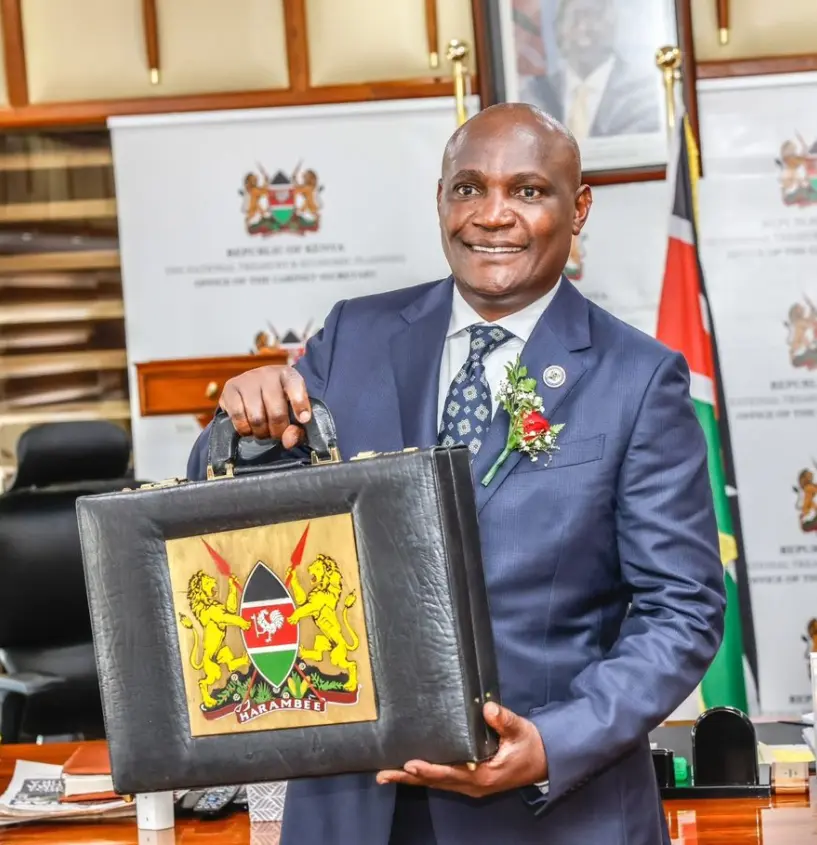
Treasury Cabinet Secretary John Mbadi has reiterated government plans to introduce a cost-sharing model in the administration of national examinations, saying the move is aimed at ensuring long-term sustainability of the exercise without compromising its integrity.
While presenting the 2025/26 Budget Statement to Parliament on Thursday, Mr Mbadi said the National Treasury is engaging the Ministry of Education to review the current financing structure of examinations, including evaluating targeted subsidies and possible cost-sharing options.
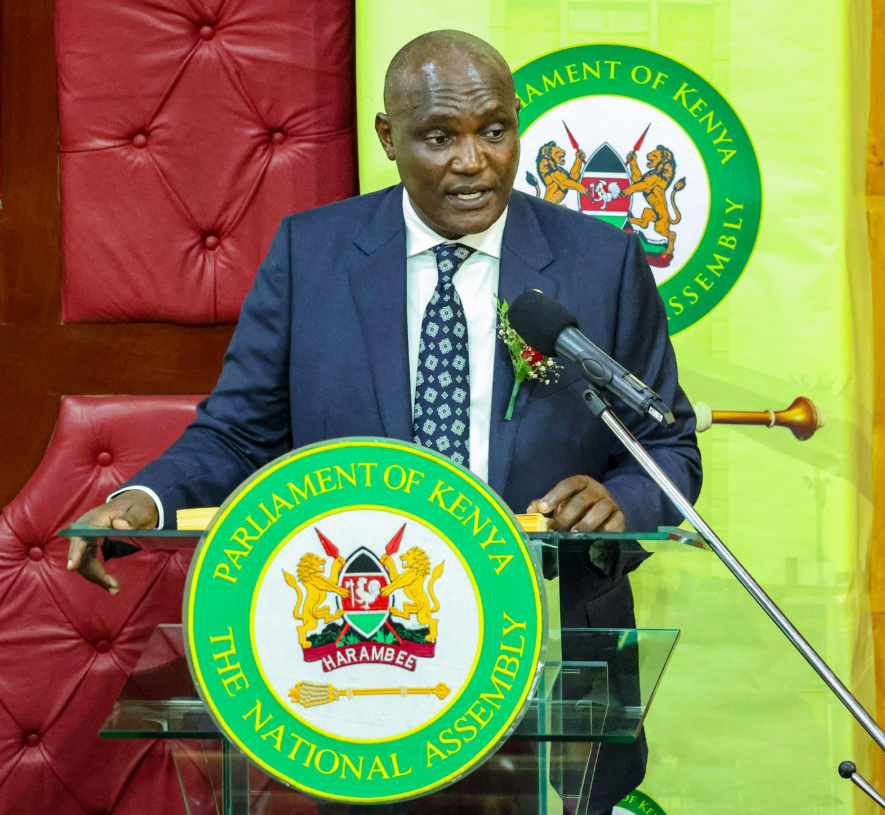
“While we are cognisant that examinations must be conducted as scheduled later this year, there is need to undertake a critical evaluation on the costing of examinations, assess the sustainability of the programme in view of the prevailing fiscal constraints, and explore optimal options for delivering national examinations,” Mr Mbadi told the House.
The Cabinet Secretary confirmed that Sh5.9 billion has been allocated for the administration of the 2025 national examinations — a welcome relief to parents and candidates preparing for the Kenya Certificate of Primary Education (KPSEA), Kenya Junior School Education Assessment (KJSEA), and the Kenya Certificate of Secondary Education (KCSE).
The total requirement for administering the three sets of exams stands at Sh12.58 billion, leaving a funding gap of over Sh6 billion.
Mr Mbadi, however, assured the public that despite this shortfall, the government remains committed to delivering credible examinations this year.
“To this end, the National Treasury is in consultations with the Ministry of Education on how best to achieve this at a minimal cost possible, including evaluating possible cost-sharing mechanisms,” he said, adding that exam fees could be reviewed to target only vulnerable learners.
The CS challenged the rationale behind blanket subsidies for all candidates, including those from well-off households and private schools, noting that public funds should prioritize those most in need.
“A key consideration is the merits of public funding of examination fees for all primary and secondary school candidates, as opposed to targeting the vulnerable students in our schools,” Mbadi said.
The cost-free examination policy was first introduced in 2015 under President Uhuru Kenyatta’s administration to boost access and equity in education. However, with deepening fiscal pressures, the Treasury is now pushing for more targeted support.
Mbadi’s comments echo his earlier assurance to parents not to panic over funding for the 2025 exams, stating that money would be provided and that the review is only focused on structure and sustainability.
“There should be no panic that there will be no money for examinations. It will be there, only that we are changing the system and structure,” he said in a recent interview.
Overall, the education sector has been allocated Sh702.7 billion in the year starting July, which is almost 27 percent of the Sh4.2 trillion total national budget.
This includes Sh387.2 billion to the Teachers Service Commission (TSC) including Sh7.2 billion for the recruitment of intern teachers and another Sh980 million for capacity building of teachers on Competency Based Education.