Kenya’s Pending Bills Threaten MSMEs, Banks and Fiscal Stability
By Business Day Africa•June 13th, 2025
Kenya’s growing mountain of unpaid bills is fast becoming a drag on the economy, choking micro, small and medium-sized enterprises (MSMEs), straining banks, and undermining fiscal stability.
Governments are the largest single buyers in any economy, and in Kenya, public procurement sustains countless MSMEs. Recurrent expenditure drives demand across supply chains, while civil service wages support household consumption.
Policies such as Access to Government Procurement Opportunities (AGPO), which targets youth, women and persons with disabilities (PWDs), are designed to make government procurement more inclusive and entrepreneurial.
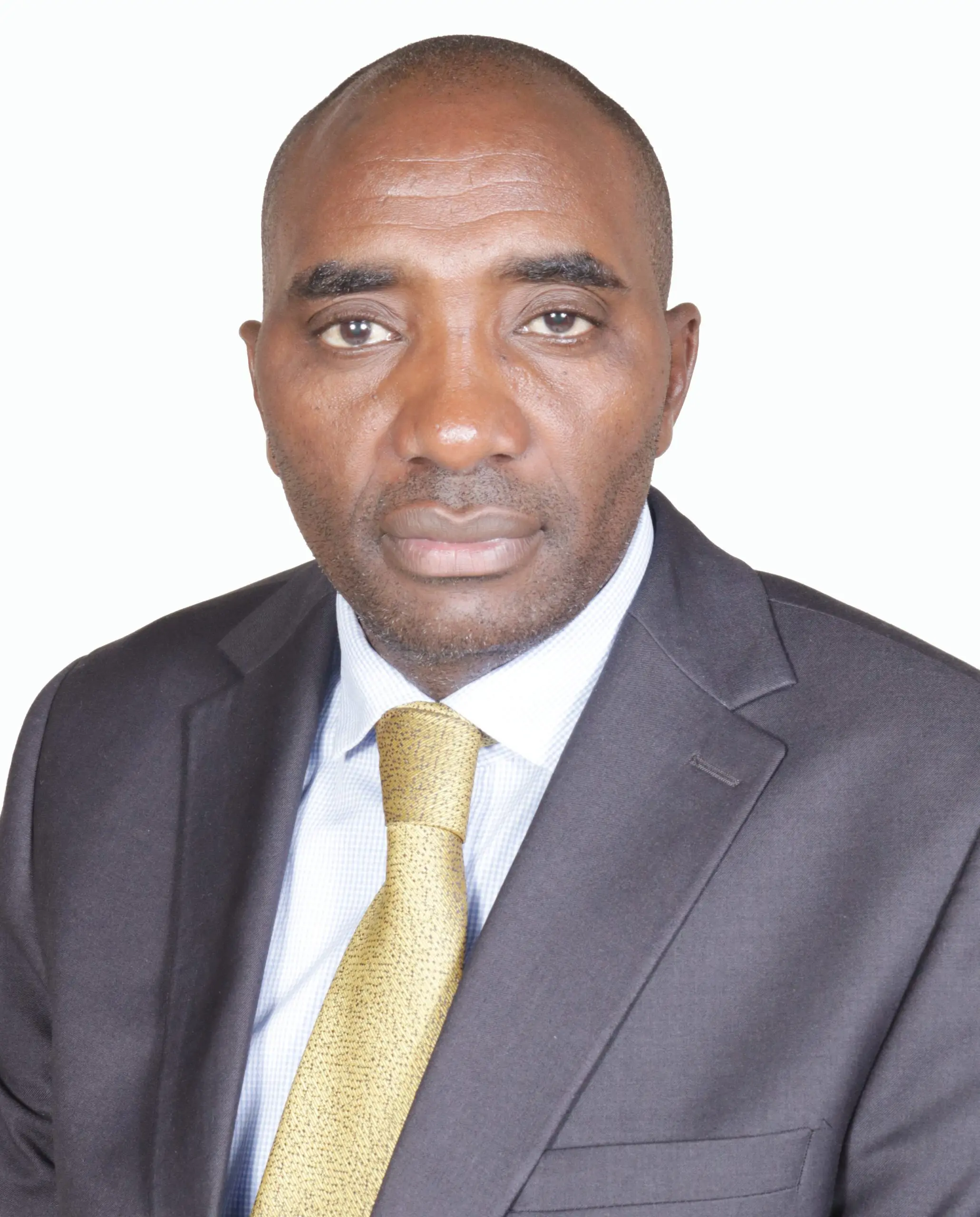
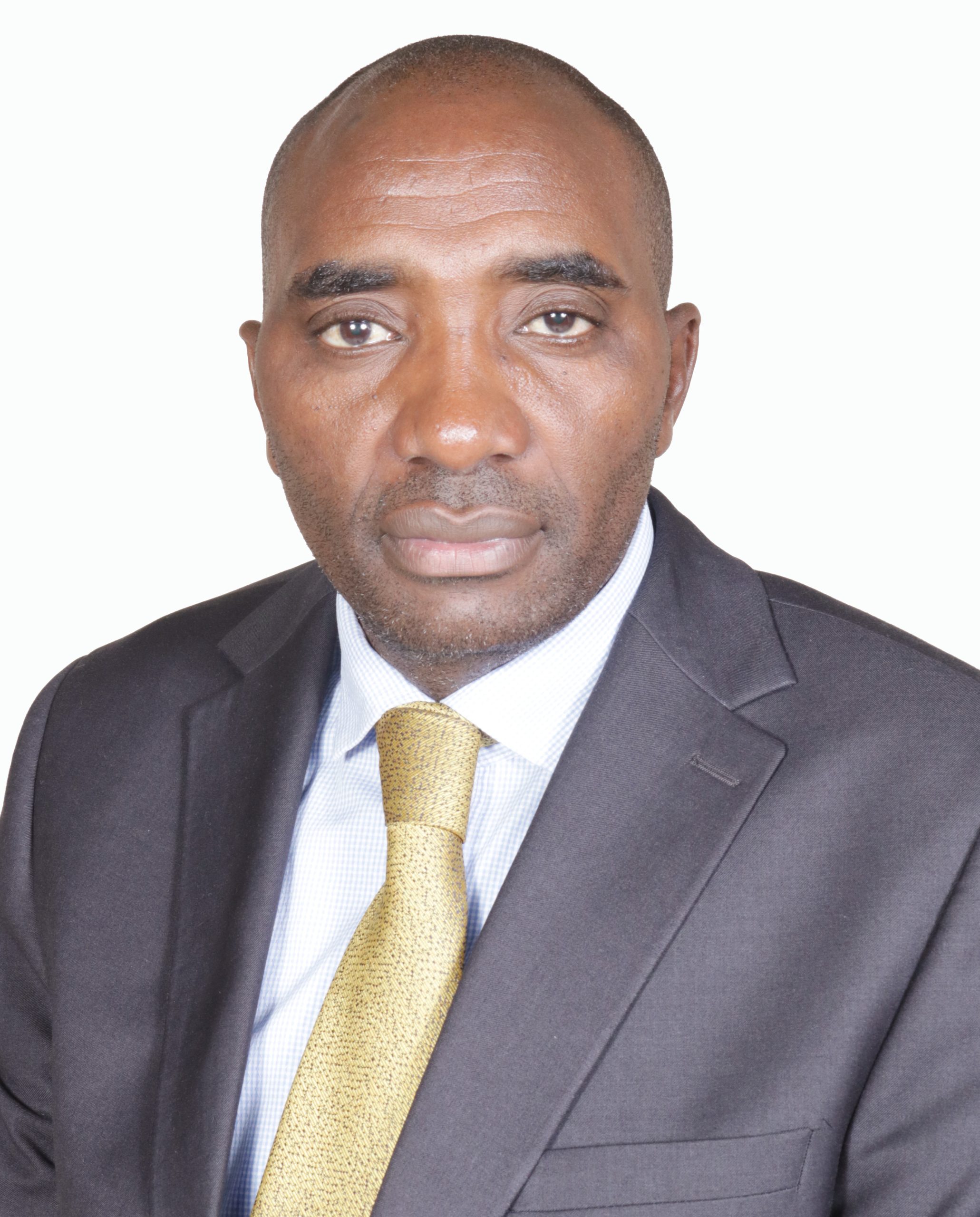
Mr Migwi
But these efforts are being undone by the accumulation of pending bills.
According to Keynesian theory, government spending plays a pivotal role in stimulating demand and driving GDP growth during downturns.
This principle guided US presidents from Franklin D. Roosevelt during the Great Depression to Joe Biden during the COVID-19 pandemic. In Kenya, however, the problem isn’t the volume of spending—it’s the failure to pay for it.
Data from the Controller of Budget shows national government pending bills totalled Ksh524 billion by end-December 2024.
Of this, state corporations and semi-autonomous agencies owed Ksh426.2 billion, with MSMEs bearing 81 percent of the burden. Ministries and departments added Ksh97.8 billion more in unpaid invoices. County governments racked up a further Ksh182 billion, mostly in recurrent expenditure.
The impact on MSMEs is dire. Denied payments, many suppliers face insolvency, their dreams crushed and collateral assets seized. Start-ups nurtured by AGPO are being pushed to the brink, adding to unemployment and economic stagnation.
Banks are feeling the strain, too. The sector’s non-performing loan ratio was 17.2 percent in February 2025—one of the highest in recent years. MSMEs, weighed down by unpaid government debts, are defaulting on bank loans. Credit to the private sector grew just 0.2 percent year-on-year in February, well below the 12-15 percent needed for healthy economic expansion. Lenders, in turn, have become more risk-averse, increasing loan-loss provisions and shrinking credit lines.
The broader fiscal effects are no less troubling. GDP growth slowed to 4.7 percent in 2024 from 5.7 percent in 2023, partly due to weak public investment. Pending bills erode fiscal credibility, limit debt sustainability, and heighten fears of default.
They also attract punitive loan conditions from institutions like the IMF and drive up procurement costs as suppliers price in risk premiums.
Solutions exist. The Controller of Budget has urged ministries and counties to treat settlement of pending bills as a first charge, in line with financial regulations.
The Treasury is considering issuing bonds to clear verified arrears. But more systemic reforms are needed—such as enacting the Prompt Payment Bill and amending laws to ensure new administrations honour commitments by their predecessors.
Until Kenya resolves its payment arrears, its efforts to empower MSMEs, stabilise banks, and rebuild fiscal trust will remain in jeopardy.
Mr Migwi is member of the Institute of Directors of Kenya, Economists Society of Kenya, Kenya Institute of Bankers , Kenya Institute of Management and World Economics Association.