Kenya Races to Lease State-Owned Mills Ahead of November COMESA Deadline
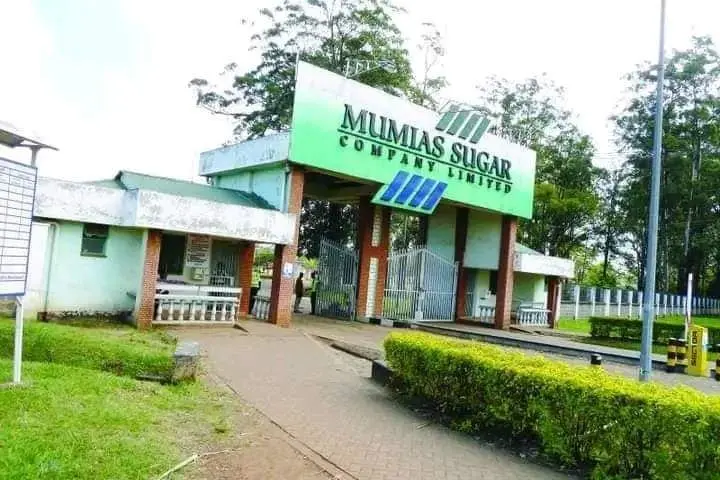
Kenya is fast-tracking leasing of state-owned sugar factories as the clock ticks toward the expiry of a regional trade safeguard that has shielded its struggling sugar sector from cheaper imports for over two decades.
The Common Market for Eastern and Southern Africa (COMESA) safeguard, first implemented in 2002, expires in 2025 after seven extensions.
The measure has allowed Kenya to cap duty-free sugar imports, giving its inefficient industry space to restructure.
With no further extensions expected, pressure is mounting on the government to complete long-delayed reforms, including the injection of private capital in state-owned mills.
So far, the government has leased Nzoia Sugar Company to Rai Group, owned by billionaire industrialist Jaswant Rai.
Other mills — Chemelil, South Nyanza (Sony), Muhoroni and Miwani — have been taken up by local private millers through competitive bidding. The leases, granted for 20 years, are part of a broader strategy to inject private capital and expertise into the ailing sector.
Kenya’s sugar industry has long been plagued by high production costs, low cane yields, outdated machinery, and weak governance.
Production costs in Kenya are among the highest in the region, putting local sugar at a disadvantage compared to producers in countries like Zambia, Eswatini and Mauritius, where mechanisation and efficient milling significantly lower costs.
The leasiy process has, however, been met with stiff resistance from various quarters.
Local leaders, farmer groups and segments of the political opposition have accused the government of rushing the process without adequate consultation.
Critics allege that the leasing model lacks transparency and could marginalise smallholder farmers, who form the backbone of Kenya’s sugarcane production.
Despite the pushback, officials say the leases are necessary to revitalise an industry burdened by debts, mismanagement and underperformance.
The Treasury has already moved to write off billions in loans and tax arrears owed by the state mills to make them more attractive to investors.
With time running out, Kenya faces a stark choice: move swiftly to implement reforms or risk exposing its vulnerable sugar industry to a flood of duty-free imports once the COMESA shield falls.
gandae@businessdayafrica.org