Kenya Hit by Iran Conflict Fallout as Fuel Protests Turn Deadly
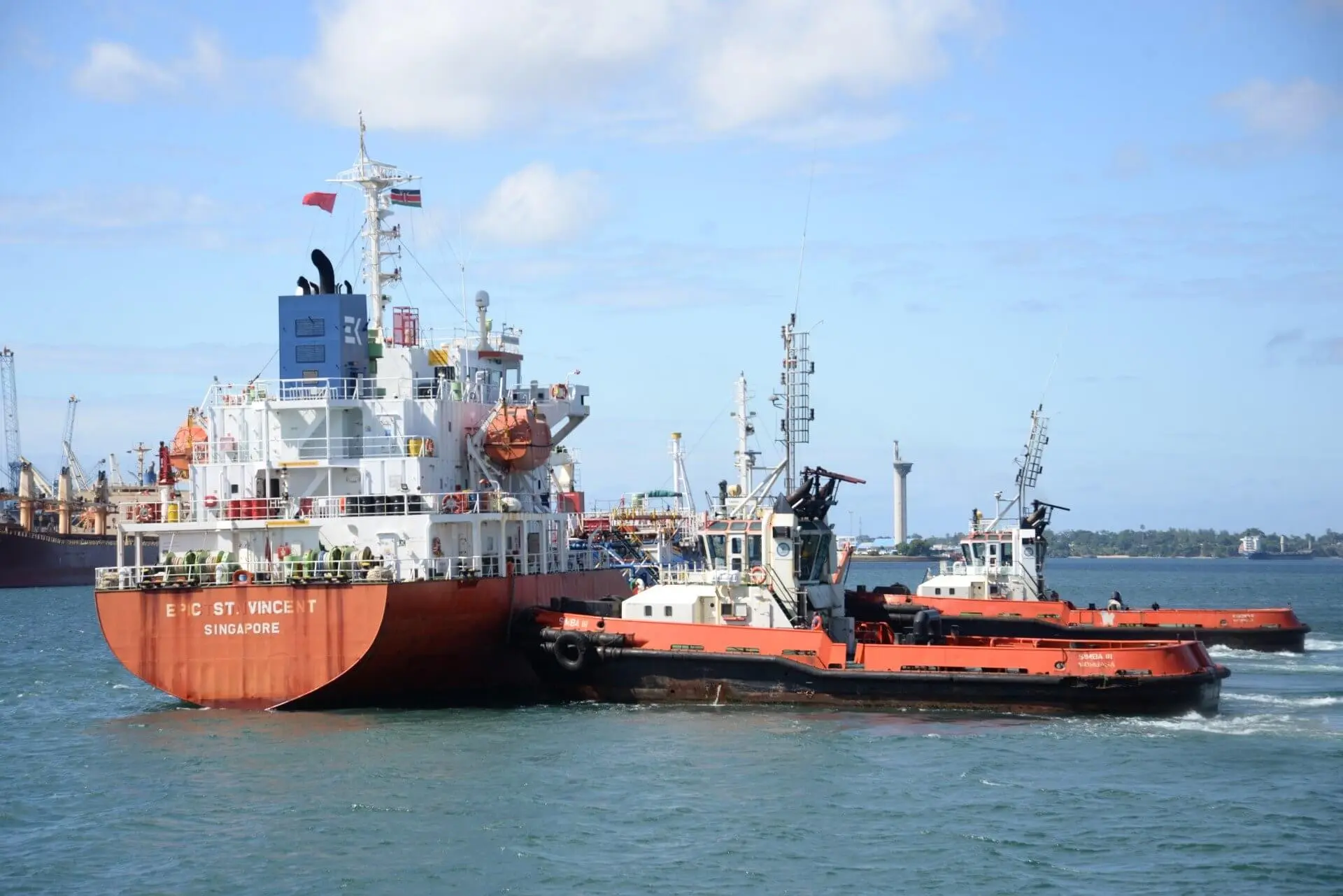
Kenya is facing mounting economic pressure from the conflict involving Iran after a sharp rise in global oil prices pushed local fuel costs to record highs, triggering protests that left at least four people dead this week.
The latest fuel review saw diesel prices jump to about 243 Kenyan shillings ($1.88) per litre in Nairobi, while petrol rose above 214 shillings, intensifying public anger in a country already struggling with a high cost of living.
The increases sparked demonstrations and a strike by public transport operators across major towns, paralysing movement and disrupting business activities.
Protesters barricaded roads and clashed with police in several areas as transporters demanded government intervention to cushion consumers from rising fuel costs.
Kenyan authorities said four people were killed during the unrest while dozens were injured and several arrested.
The East African nation, which relies entirely on imported petroleum products, has become increasingly vulnerable to instability in the Middle East, where the Iran conflict has disrupted global energy markets and fuel supply chains.
International crude prices have surged sharply since the conflict escalated earlier this year. Brent crude, which had traded below $75 per barrel before the crisis, climbed past $120 at the peak of supply fears after attacks on energy facilities and disruptions to shipping routes in the Gulf region.
Global diesel and jet fuel prices have also risen significantly as traders worried about reduced flows through the Strait of Hormuz, one of the world’s most critical oil transit routes that carries nearly a fifth of global crude shipments.
The conflict intensified after military strikes involving Iran and a US-backed coalition expanded into attacks on strategic infrastructure and maritime routes, raising fears of a wider regional war.
Iran later moved to restrict shipping traffic through the Strait of Hormuz, worsening concerns over global supply disruptions.
Although diplomatic efforts have since produced a temporary ceasefire, energy markets remain volatile amid fears that renewed fighting could further disrupt supplies.
Kenya’s government has defended the latest fuel price increases, saying international market forces and higher import costs were behind the adjustments.
The latest crisis threatens to deepen inflationary pressures in Kenya, where transport and food prices are closely tied to fuel costs. Economists warn prolonged instability in the Middle East could further weaken consumer spending and raise the cost of doing business across East Africa.
ligadwah@businessdayafrica.org