Kenya Coffee Prices Surge to $400 as New Crop Lifts Auction Market
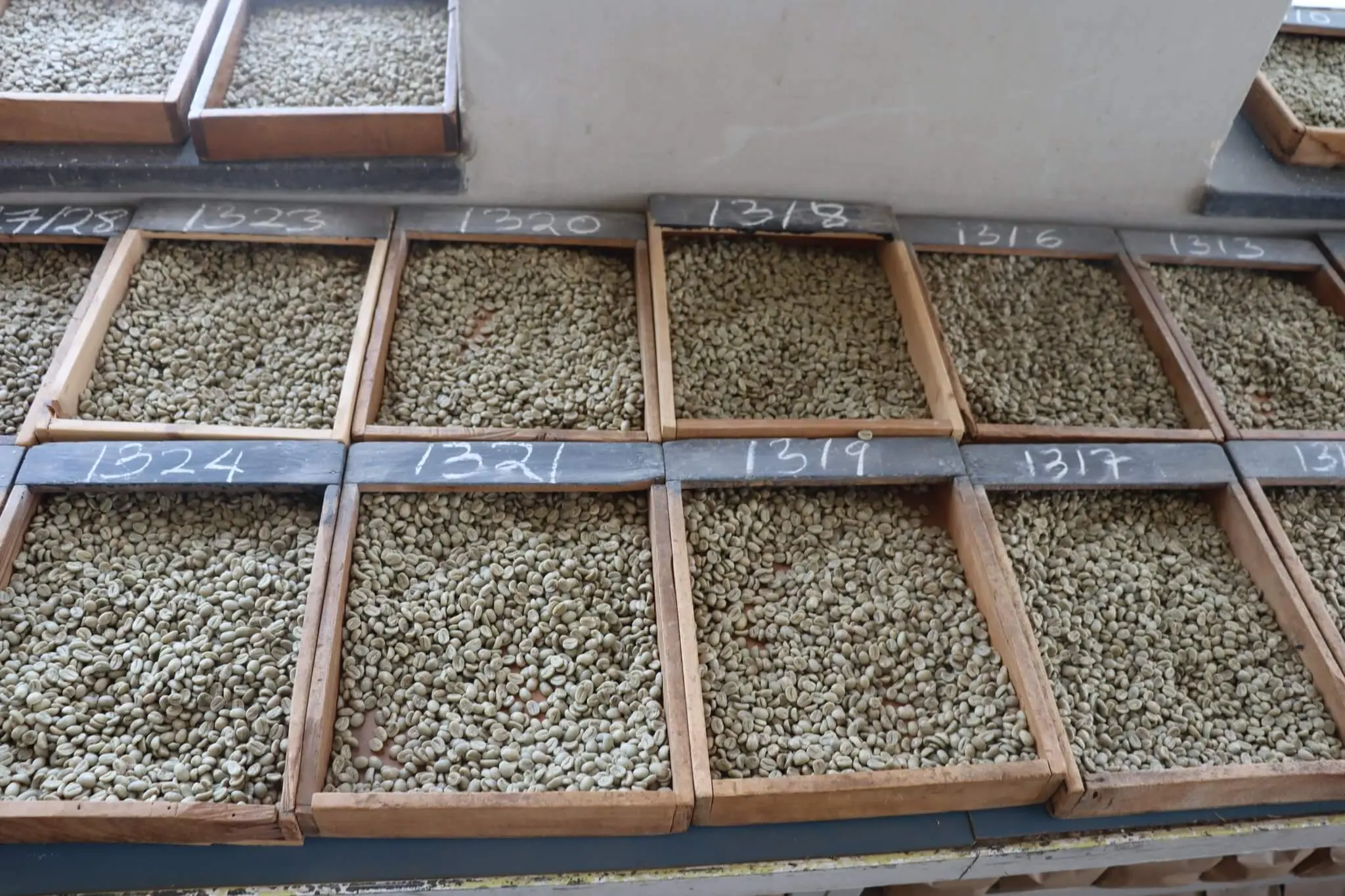
Kenya’s coffee market kicked off its new season with a strong rally on Tuesday, as a 50-kilogram bag at the Nairobi Coffee Exchange fetched $400, marking the highest price in months.
The surge was driven by the first lots of the new crop trickling into the market, offering buyers a taste of higher-quality beans before the main harvest begins later next month.
Limited supply and strong demand from exporters and roasters pushed prices higher across most grades.
Traders said competition for the clean, early lots — particularly the AA and AB grades prized by European roasters — lifted the average auction prices.
Specialty buyers were also active, seeking top-end Kenyan beans known for their bright acidity and full body.
The improved receipts provided a welcome boost for growers after several months of volatile earnings during the off-season.
The rally mirrors a global trend in coffee markets, where tightening supplies and weather disruptions in Brazil have kept prices elevated.
Brazil, the world’s largest coffee producer, is facing lower arabica yields for the 2025/26 season after erratic rainfall and high temperatures reduced flowering and cherry formation.
Arabica output is projected to fall by about six percent compared with last season, even as robusta production continues to expand and offset some of the losses.
Arabica futures in New York have risen steadily over the past month, buoyed by concerns about Brazil’s harvest and logistical bottlenecks in Latin America.
The upward trend has filtered through to key producing regions such as East Africa, where exporters are now receiving stronger bids from international buyers.
Analysts said the firm prices are likely to hold in the short term, supported by steady global demand and limited early supply from Kenya.
However, once the main crop hits the market in larger volumes, prices could ease slightly if quality is inconsistent.
For Kenyan farmers, the early boost signals a promising start to the new season. Yet, much will depend on how Brazil’s weather patterns evolve and whether global arabica shortages persist, which could continue to keep prices high through 2026.
gandae@businessdayafrica.org