Kenya Coffee Prices Drop as Global Market Slumps
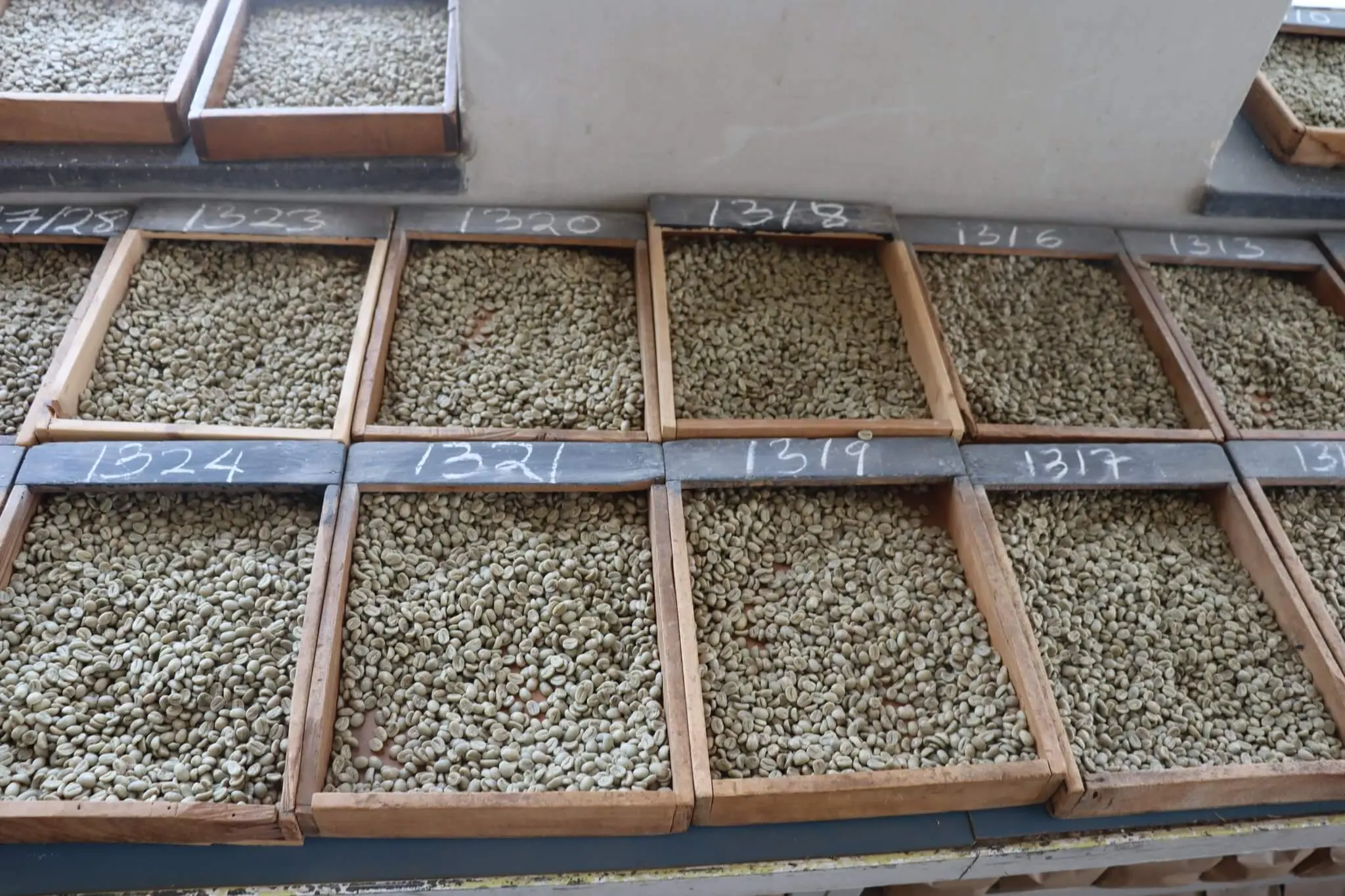
Kenyan coffee prices fell sharply at the latest Nairobi Coffee Exchange (NCE) auction, tracking a slump in international markets where the country exports over 90 percent of its Arabica beans.
The average price per 50-kg bag dropped to $337 from $387 in the previous sale, as global market dynamics, including a weaker Brazilian real and increased selling pressure, weighed on prices.
A depreciating real has made Brazilian coffee more competitive, prompting long liquidation in the futures market and affecting prices worldwide.
The decline highlights Kenya’s vulnerability to global price fluctuations, a long-standing challenge for the country’s coffee sector.
With most of its produce destined for export markets, Kenyan farmers remain exposed to the volatility of international demand and currency movements.
Market analysts project that Arabica coffee futures could decline by up to 30 percent by the end of the year, driven by expectations of reduced demand following high prices and a stronger-than-expected Brazilian harvest.
Meanwhile, ICE-monitored coffee stocks, which had hit multi-month lows, have shown signs of recovery, adding further pressure to prices.
Kenya’s reliance on external markets has often resulted in unpredictable earnings for farmers.
Previous downturns have led to calls for market diversification and value addition to cushion growers from global price swings.
Some stakeholders have pushed for increased domestic processing and branding to create a more stable revenue stream.
Globally, the coffee industry is undergoing structural changes, with new consumption patterns emerging in regions such as the Middle East and North Africa.
Market analysts estimate the sector’s value could reach $473 billion this year, driven by rising demand and evolving retail trends.
Despite strong growth projections, the industry faces challenges from climate change, production costs, and geopolitical uncertainties.
Adverse weather in key coffee-producing nations, including Brazil and Vietnam, has tightened supply, while proposed tariffs on Colombian goods have added further market instability.
For Kenya, the latest price drop highlights the need for long-term strategies to insulate the sector from external shocks.
gandae@businessdayafrica.org