Ethiopia’s GERD Launch Fuels Fresh Nile Row, Kenya Drawn into Regional Dispute
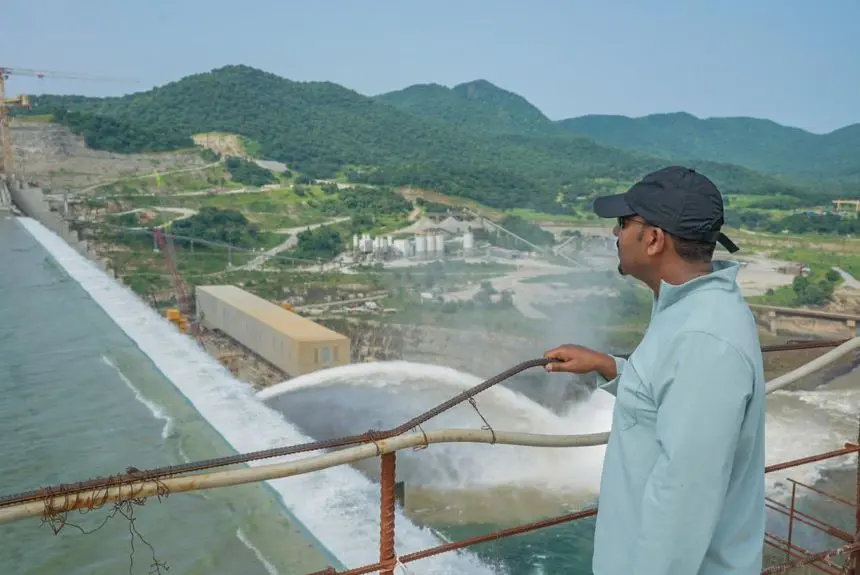
Ethiopia’s commissioning of the Grand Ethiopian Renaissance Dam (GERD) has reignited long-running tensions over the Nile, with Kenya now pulled into the debate after President William Ruto, who attended the launch as chief guest, called for fair use of the river’s waters.
Ruto’s remarks, urging cooperation between Ethiopia, Egypt and Sudan, placed Nairobi at the centre of a diplomatic storm that has simmered for more than a decade.
His appeal highlighted the wider regional stakes of Africa’s largest hydropower project, which has divided riparian states over water security and energy ambitions.
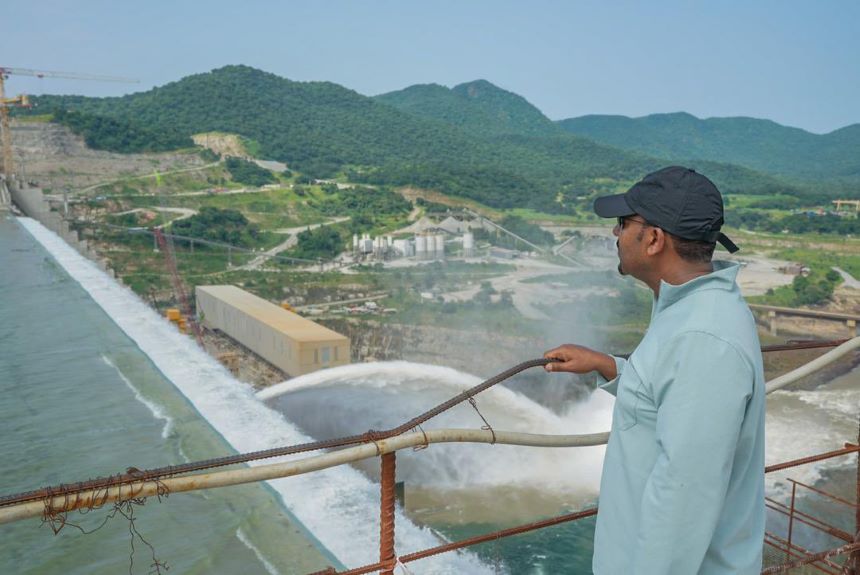
For Ethiopia, the $5 billion dam is a symbol of sovereignty and development, promising to double electricity generation and transform its economy.
Addis Ababa insists the GERD is a shared opportunity that will stabilise flows and create power-export opportunities.
But for Cairo, which relies on the Nile for nearly all its freshwater needs, the project poses an existential risk.
Khartoum has echoed Egyptian fears while also considering potential benefits such as cheaper electricity and regulated water levels.
The dam’s inauguration has sharpened geopolitical rivalries, adding to mistrust between Ethiopia and its downstream neighbours.
Kenya’s call for fairness is being read as a signal that the dispute is no longer confined to the three states most directly affected, but has become a continental issue with implications for regional security, trade and diplomacy.
Ethiopia began building the GERD in 2011, setting off a bitter dispute with Egypt that has dragged through successive rounds of failed negotiations.
Attempts by the United States, African Union and United Nations to mediate collapsed over how the dam should be filled and operated during droughts. Sudan at times sided with Cairo while also engaging with Addis Ababa to secure power imports and water regulation benefits.
With an installed capacity of about 5,150 megawatts and a reservouir holding 74 billion cubic metres, the GERD ranks among the world’s largest hydropower projects.
Ethiopian officials say it will reduce reliance on fossil fuels, expand rural electrification and generate foreign exchange through electricity exports to neighbours including Kenya, Djibouti and South Sudan.
Prime Minister Abiy Ahmed hailed the project as a national triumph and proof of African self-reliance. But downstream, Cairo lodged fresh protests, accusing Ethiopia of pressing ahead unilaterally without a legally binding accord.
With tensions heightened, diplomats say regional organisations such as the African Union will likely face renewed pressure to broker a settlement.
The key sticking points remain unchanged: operating rules during droughts, mechanisms for data-sharing, and guarantees that downstream flows will not be jeopardised.
gandae@businessdayafrica.org